Vaping Styles Explained: MTL vs DTL vs RDTL

There are three different styles of vaping, its how you inhale. Mouth To Lung (MTL), Direct To Lung (DTL) and Restricted Direct To Lung (RDTL). It's decided by how resitricted the airflow is on your device, coil resistance, wattage and the PG/VG ratio of your liquid.
This guide breaks down how each style actually feels, the specs you should look for to match your style, and the specific kits we've tested that suit each one.
The Three Vaping Styles at a Glance
Three inhale styles cover almost everything you can buy: MTL, DTL and RDTL. Pick your style before you pick your kit, because a pod built for a tight MTL draw and a sub-ohm tank built for big clouds are two very different things. Get this decision right and you avoid buying the wrong coils, the wrong e-liquid ratio and the wrong device entirely. If you are brand new to all this, read our Beginners' Guide to Vaping first.
What MTL, DTL and RDTL actually mean
- MTL (mouth-to-lung): you draw the vapour into your mouth first, hold for a second-ish, then breathe it into your lungs. It mimics a cigarette drag, which is why most switchers start here.
- DTL (direct-to-lung): you pull the vapour straight into your lungs in one deep breath, the way you would take a big gulp of air. This is the big-cloud style, run on sub-ohm tanks and higher-VG liquid.
- RDTL (restricted direct-to-lung): the middle ground. It is a direct-to-lung draw with a tighter airflow, so you get the deeper inhale without the full open-airflow rush. You keep more control, and you burn through noticeably less liquid than a wide-open DTL setup.
How each inhale feels
MTL
Tightest draw Draw tightness: firm, cigarette-like resistance. Cloud size: small and discreet. Throat hit: sharp, especially on nic salts. Best for: switchers, pod users, higher nicotine strengths.
DTL
Most open draw Draw tightness: airy, almost no resistance. Cloud size: large, dense vapour. Throat hit: smooth and soft, even at low strengths. Best for: sub-ohm tanks, high-VG shortfills, flavour and clouds.
RDTL
Restricted middle Draw tightness: tighter than DTL, looser than MTL. Cloud size: moderate, controlled. Throat hit: present but gentle. Best for: MTL vapers stepping up, anyone wanting depth without the wind tunnel.
We run refillable pod kits day to day and sub-ohm tanks in the evenings, so we mix salts and shortfills in roughly equal measure. Most people land on one main style and keep a second setup for a change of pace.
MTL Vaping: Specs, Kit and Who It Suits
Mouth-to-lung is the tight, cigarette-style. You pull vapour into your mouth first, then breathe it into your lungs, exactly the way you would on a cigarette. It is the style most switchers land on first, and for good reason: it is discreet, it sips e-liquid, and it delivers a proper throat hit at low power. If you have moved off cigarettes or stepped up from disposables, MTL is almost certainly where you want to start. Our How To Choose Your First Vape Kit guide covers the full setup, but here is what makes MTL tick.
Coil resistance and airflow
MTL coils run high resistance at low power. Expect the following:
- Resistance: 0.8Ω to 1.2Ω and above
- Wattage: roughly 8W to 15W
- Airflow: tight and restricted, often adjustable down to a pinhole
That restricted airflow is the whole point. It concentrates the flavour and firms up the draw, so you get that familiar drag rather than a big airy lungful. Across the mesh coils we stock, 0.8Ω pods are the sweet spot most of our customers settle on for 50/50 salts.
Nicotine strength and PG/VG ratio
MTL pairs best with higher-PG e-liquid and stronger nicotine. PG carries flavour and throat hit; VG makes vapour. For a tight MTL draw you want:
- PG/VG ratio: 50/50 or 60PG for the right thinness and throat hit
- Nicotine: salt nic at 10mg to 20mg for a smooth, strong hit
Under UK TPR rules, 20mg/ml is the legal ceiling for nicotine strength and 10ml the largest bottle you will buy, so a 10ml 20mg salt is as strong as it gets here. Nic salts sit smoother at higher strengths than freebase, which is why they suit MTL and switchers so well.
Low power is the quiet advantage. Smaller batteries last longer between charges, and because you are sipping vapour rather than flooding your lungs, e-liquid consumption is far lower than DTL. A tank of MTL salts stretches noticeably further than the same tank run through a sub-ohm coil.
Best UK MTL kits
These are the refillable pod kits we reach for. We run pod kits day to day ourselves, so this is the list we would hand a mate switching over.
Vaporesso XROS 6 The one we recommend most often. Adjustable airflow, reliable 0.8Ω mesh pods and a solid battery for the size. Genuinely hard to fault as a daily MTL driver. Full breakdown in our XROS 6 guide.
Uwell Caliburn G5 A firm favourite for tight-draw purists. The G5 has top-fill pods, good airflow and a natural cigarette-like pull straight out the box.
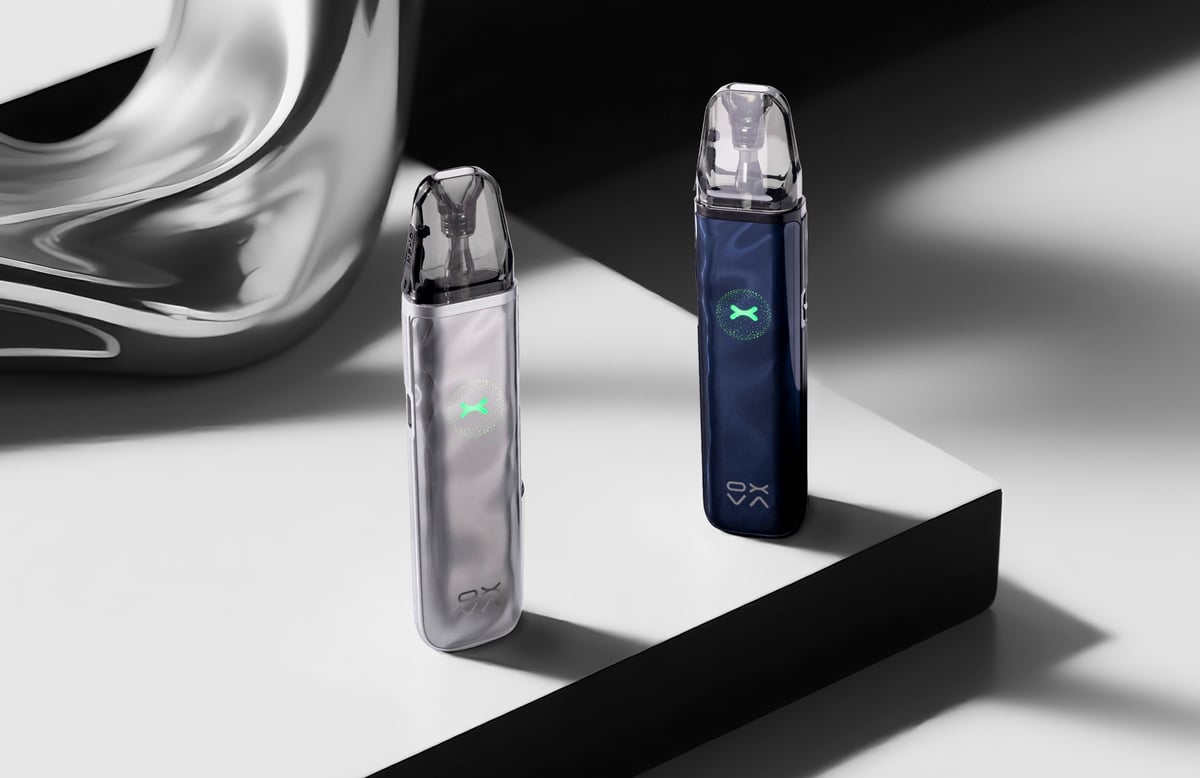
OXVA Xlim Pro 3 The Xlim Pro 3 punches above its size on flavour. Fine airflow control and a smart chip that reads your pod resistance, so it dials in the wattage for you.
Geekvape Wenax Q2 Simple, rugged and easy to live with. The Q2 is good shout if you want no-fuss MTL without menus to tweak.
All four run 50/50 salts at 10mg to 20mg beautifully, and every one of them sips liquid rather than guzzling it.
DTL Vaping: Specs, Kit and Who It Suits
Direct-to-lung vaping is the loud one. You pull vapour straight into your lungs the same way you breathe in air, no holding it in the mouth first. Wide-open airflow, big clouds, intense flavour. This is the evening style for a lot of us, and it is a world apart from the tight draw of a pod kit.
If you are still getting your head around the categories, our Vape Devices Explained guide breaks down the kit types first.
Sub-ohm coils and high wattage
DTL runs on sub-ohm coils, meaning a resistance below 1 ohm, and most sit under 0.5 ohm.
- Coil resistance: typically 0.15 to 0.4 ohm for DTL mesh
- Wattage: usually 30W to 100W and beyond
- Airflow: wide open, minimal restriction
Lower resistance draws more power, heats a bigger surface of mesh and vaporises more liquid per pull. That is where the cloud comes from. It also means you get through liquid and battery faster than any other style, so expect to refill the tank more often and keep a spare 18650 or a charged mod handy.
High-VG e-liquid and low nicotine
Pair DTL with high-VG shortfills. A 70VG/30PG ratio is the baseline, and plenty go to 80VG for thicker vapour.
- VG ratio: 70VG or higher
- Nicotine: 0 to 6mg freebase
- Format: shortfills, typically 50ml or 100ml with room for a nic shot
Keep the nicotine low. Inhaling 12mg or 20mg straight to the lung would be brutally harsh, which is why nic salts and high strengths belong on MTL pods, not sub-ohm tanks. We run refillable pod kits day to day and sub-ohm tanks in the evenings, so we mix salts and shortfills in roughly equal measure, and the 3mg shortfill is the DTL workhorse.
Best UK DTL kits
DTL suits experienced vapers and anyone chasing clouds or big flavour. It is not the starting point for a first-time switcher, that is what a simple pod kit is for. Here are the mods and tanks the team reaches for.
Voopoo Drag X3 Single-battery mod with plenty of power for everyday DTL, comfortable in the hand and quick to dial in. A safe first sub-ohm mod. Full rundown on our Drag X3 page.
GeekVape Aegis Legend 5 Dual-battery beast built tough. The Legend 5 has big power, shock and water resistant, made for high-wattage DTL sessions without flinching.
Centaurus V2 Sub-Ohm Tank A flavour-focused sub-ohm tank with adjustable airflow. Pair the Centaurus V2 with a mesh coil under 0.4 ohm and a 70/30 shortfill for a punchy DTL draw.
Voopoo Argus G4 The Argus G4 versatile pod-mod that handles DTL well with the right coil. Good if you want one device that flexes between styles.
In our own testing, priming a mesh coil for a good five minutes before the first pull is the single biggest thing that stops a burnt first hit, and that matters more on thirsty sub-ohm coils than anywhere else.
RDTL Vaping: The Middle-Ground Style Explained
RDTL, or restricted direct-to-lung, is the halfway house between the tight cigarette-style draw of MTL and the wide-open airflow of full DTL. You pull straight to the lung, but the airflow is partly closed down, so you get more vapour than MTL without the airy, harsh rush of a full sub-ohm hit. For a lot of vapers who have outgrown a pod kit but find DTL too much, this is the sweet spot.
We run pod kits by day and sub-ohm tanks in the evenings, and RDTL is the style we reach for when we want cloud and flavour in the same session without draining a battery by lunchtime.
Restricted airflow and coil range
RDTL lives in a specific band of resistance and power:
- Coil resistance: roughly 0.6Ω to 0.9Ω
- Wattage: a moderate 15W to 30W
- Airflow: partly closed, so you feel a gentle restriction on the draw rather than an open funnel
That restriction is the whole point. Nudge the airflow ring to about a third open and you get a cushioned, dense draw. It carries flavour beautifully and sits far gentler on the throat than a wide-open 0.15Ω sub-ohm coil pushing 60W.
E-liquid and nicotine for RDTL
RDTL is happiest on a mid-range VG blend and a middle nicotine strength:
- E-liquid: 60/40 or 70/30 (VG/PG) works well, thick enough to keep the wick fed at 20-plus watts without flooding
- Nicotine: 6mg to 12mg suits most, in either salts or freebase
A 70/30 shortfill in a 0.7Ω coil around 22W is a genuinely lovely daily setup. If you find 3mg too thin in the throat and 20mg salts too sharp, a 6mg or 12mg sits right in the pocket for this style.
Best UK RDTL kits
RDTL is the natural next step for an MTL vaper who wants more vapour without diving into full DTL harshness. The kits below all have adjustable airflow, so you can dial in that restricted draw rather than being locked into one setting. If you are only just off disposables, our guide on How To Switch From Disposables To Reusable Vapes is the place to start before you settle on a style.
Voopoo Argus P3 A pod kit that flexes from tight MTL into restricted DTL as you open the airflow. Compact, sensibly priced and forgiving to learn on. Full breakdown in our Argus P3 guide.
Geekvape Aegis Boost 3 The rugged option. Adjustable airflow and a coil range that lands squarely in RDTL territory. The Aegis Boost 3 built to survive being dropped on a night out.
Voopoo Vinci S Slim, pocketable and happy on 0.6Ω to 0.8Ω coils. The Vinci S is tidy step up from a starter pod for anyone chasing more vapour.
Oxva Xlim 3 Ultra The Xlim 3 Ultra boasts precise airflow control and reliable mesh coils. One of the easier kits to nail an RDTL draw on straight out of the box.
For daily use, RDTL balances cloud, flavour and battery life better than full DTL. You are not chugging through liquid or hammering the cells, so a single tank and one charge comfortably see out a normal day.
Coil Build Types Explained (MTL vs DTL vs RDTL)
Your coil is the single biggest factor in how a device vapes. Get the resistance and build wrong for your style and you get dry hits, burnt cotton, and flavour that falls flat. Match it properly and everything clicks.
Round wire vs mesh coils
The two builds you will meet in stock coils are round wire and mesh.
- Round wire is a coiled strand of wire, the traditional design. It suits tight, higher-resistance MTL coils where you want a slower, cooler vape and a firmer throat hit. Think 1.0 ohm and above.
- Mesh is a flat perforated strip that gives a much larger heating surface. It heats evenly, ramps up fast, and pulls more flavour and vapour out of your liquid. Mesh dominates DTL and RDTL for exactly that reason.
Across the mesh coils we stock, 0.8 ohm pods are the sweet spot most of our customers settle on for 50/50 salts. That is the crossover point where mesh flavour meets an MTL-ish draw.
Why coil type is tied to your style
Coil resistance and your vaping style are locked together. You cannot separate them.
- Higher-resistance builds (roughly 1.0 ohm and up) run at lower wattage, sip less liquid, and pair with tight MTL airflow. Ideal for higher-strength salts.
- Lower-resistance mesh builds (under 0.6 ohm) run hot, need more power, and open up for airy DTL and RDTL draws. Best fed with higher-VG shortfills.
Matching all of it together is where switchers come unstuck. A 0.15 ohm mesh coil fed 6mg salt on a pod kit will taste harsh and drink liquid fast; a 1.2 ohm coil flooded with 70/30 shortfill will spit and gurgle. Get the pairing right and dry hits mostly disappear. Our full breakdown is here: How To Match E-Liquid To Your Coil.
MTL coils
- Typical resistance: 1.0 ohm to 1.8 ohm
- Build: round wire or fine mesh
- Draw: tight, cigarette-like
- Liquid: 50/50 or high-PG, 10mg to 20mg salts
- Power: roughly 8W to 15W
DTL and RDTL coils
- Typical resistance: 0.15 ohm to 0.8 ohm
- Build: mesh
- Draw: airy (DTL) to restricted (RDTL)
- Liquid: 70/30 shortfills, 3mg to 6mg freebase
- Power: roughly 25W to 60W+
Rebuildable vs stock coils
Stock coils are pre-built pods and heads you drop in, prime, and vape. They cover MTL, RDTL, and DTL for the vast majority of vapers, and they are what we run and test every day.
Rebuildables (RBAs, RTAs, RDAs) let advanced users wind their own wire and dial in the exact resistance, ramp, and draw they want. That is genuine customisation you cannot get from stock heads. It also means learning wicking, ohms law, and coil building, which sits well beyond a standard pod or sub-ohm tank and outside what we cover in this guide.
Whichever route you take, priming matters. In our own testing, priming a mesh coil for a good five minutes before the first pull is the single biggest thing that stops a burnt first hit. Full method here: How to Prime a Vape Coil / Pod.
Cost & Running Comparison Across All Three Styles
MTL is the style to run, DTL is the most expensive, and RDTL lands neatly in between. The reason is simple: the more air and power a coil pulls, the faster it burns through liquid and the sooner it needs replacing. Here is how the three stack up in day-to-day use.
MTL
To run
- Coil life: 2 to 4 weeks
- Around 2 to 4ml a day
- Small battery, charges every day or two
- Runs on 10ml nic salts or 50/50 freebase
RDTL
The middle ground
- Coil life: 1 to 2 weeks
- Around 4 to 8ml a day
- Mid-size battery, daily charge
- Happy on 50/50 or higher-VG shortfills
DTL
Costs most ongoing
- Coil life: 5 days to 2 weeks
- Around 8 to 15ml+ a day
- Bigger battery draw, often charges twice a day
- Best on high-VG shortfills
Upfront kit cost
Upfront cost does not track running cost. A refillable pod kit for MTL is the most affordable to buy and the to feed. Sub-ohm DTL kits sit higher on the initial outlay because you are paying for a bigger battery and a higher-capacity tank, and then the ongoing spend climbs from there. RDTL kits and pod-mods often do both jobs, so you buy once and switch coils depending on the style you fancy that day.
Coil, e-liquid and battery running costs
E-liquid is where the gap really shows. A DTL vaper can get through a 100ml shortfill in a week or so, while an MTL vaper on the same shortfill might make it last a fortnight or more. That single difference dwarfs everything else in the running total.
The format you buy follows the style:
- MTL: 10ml nic salt bottles or 50/50 freebase. Low volume, high strength, minimal waste.
- RDTL: either works, though shortfills start earning their keep as your daily volume rises.
- DTL: high-VG shortfills are the value play. Buying nicotine in bulk and topping up big bottles works out far better than a drawer full of 10ml bottles.
If you are weighing up which format suits your style, our E-Liquid Explained: The Complete UK Guide breaks down salts, shortfills and VG ratios in full.
Coils are the second cost. DTL mesh coils run hotter and wick harder, so they fade faster. Across the mesh coils we stock, 0.8 ohm pods are the sweet spot most of our customers settle on for 50/50 salts, and they last comfortably longer than a 0.15 ohm sub-ohm coil hammered at 60 watts. Battery wear follows the same logic: more power means more charge cycles, which means the cell tires sooner. For lowest running cost across the board, MTL wins on every line of the ledger.
How to Switch Styles and Avoid Beginner Mistakes
The single biggest mistake we see is jumping from MTL salts straight into high-power DTL without dropping the nicotine first. Do that and you will cough your way through a very unpleasant afternoon. Style transitions work best in stages, and nearly every problem people blame on faulty kit comes down to airflow or nicotine strength.
Transitioning MTL to RDTL to DTL
Move up one step at a time and let your nicotine follow your airflow.
- Start MTL on a tight draw and 50/50 salts, usually 10mg or 20mg.
- Step to RDTL by opening the airflow a touch and switching to a 50/50 or 60/40 shortfill at a lower strength, around 6mg down to 3mg.
- Move to full DTL only when you are comfortable with a loose, open draw. By this point you want 70/30 or higher VG and 3mg or less.
The rule that keeps this smooth: as airflow opens up, nicotine strength must come down. A big DTL cloud carries far more vapour per puff, so the strength that felt right on a tight MTL draw becomes harsh fast. Get the airflow and the coil sorted first, then match the nicotine to it. If you are still building your setup, our How To Choose Your First Vape Kit guide covers matching kit to draw style before you commit.
Common mistakes per style
Most beginner faults are quick fixes once you know where to look.
- MTL: too-high VG. Run a thick 70/30 through a tight MTL coil and you get a weak, muddy throat hit and poor wicking. Stick to 50/50 for MTL.
- DTL: too-high nicotine. Anything above 6mg on an open DTL setup will feel harsh and make you cough. Drop to 3mg or lower.
- Blaming the coil before the airflow. Before you assume a coil is dead, check your airflow ring. Open airflow suits DTL, closed suits MTL. A restricted draw on a big sub-ohm coil often reads as a "faulty" coil when it is just set wrong.
- Skipping the prime. In our own testing, priming a mesh coil for a good five minutes before the first pull is the single biggest thing that stops a burnt first hit. Saturate the wicking, take a few dry pulls with the device off, then vape.
Match your nicotine to your airflow, prime every new coil properly, and most of the coughing and dry hits sort themselves out.
Frequently Asked Questions
MTL (mouth-to-lung) means you draw vapour into your mouth first, then inhale it into your lungs, just like pulling on a cigarette. DTL (direct-to-lung) skips that step entirely, sending vapour straight into your lungs on a loose, airy draw that produces big clouds. RDTL (restricted direct-to-lung) sits in between the two, using a tighter, more restricted draw than full DTL while still bypassing the mouth-hold stage.
MTL is the style we point most beginners and switchers towards. It replicates the tight draw of a cigarette, pairs with higher nicotine strengths for a familiar hit, and feels instantly recognisable if you're coming from tobacco. It's also cheaper to run and far easier to control than sub-ohm setups, which makes it a sensible starting point before you experiment further.
For MTL kits, stick with 10-20mg nicotine salts or 12-18mg freebase, as the tighter draw and lower vapour volume suit stronger nic hits. RDTL works best around 6-12mg, giving a middle-ground throat hit without overwhelming the bigger vapour output. DTL setups should stay at 0-6mg, since the sheer volume of vapour at higher strengths turns harsh and unpleasant fast.
MTL coils typically sit at 0.8Ω to 1.2Ω or higher, run at low wattage for a tight, controlled draw. RDTL coils drop to around 0.6Ω to 0.9Ω at moderate wattage, giving a fuller draw without going full sub-ohm. DTL setups use genuine sub-ohm coils below 0.5Ω, powered by higher wattage to produce the dense vapour clouds the style is known for.
MTL wins on cost every time. It uses less e-liquid per session, coils last considerably longer, and battery drain is minimal thanks to the lower wattage. DTL is the priciest to maintain, chewing through high-VG liquid and coils quickly at higher power. RDTL lands in the middle, more efficient than full DTL but not quite as economical as MTL.
Start by gradually lowering your nicotine strength, since DTL vaping at MTL-level nic strengths gets harsh fast. Next, move towards higher-VG e-liquid, which suits the bigger vapour production of sub-ohm coils. We'd recommend easing through an RDTL device first, opening the airflow bit by bit, rather than jumping straight into full DTL kit.
MTL devices perform best with 50/50 e-liquid or higher PG ratios, which deliver a sharper throat hit through the tighter airflow. RDTL suits 60/40 or 70/30 VG blends, balancing flavour and vapour without overwhelming the coil. DTL setups call for high-VG shortfills, typically 70VG and above, to produce the thick clouds the style is built around.
About the author

Related guides
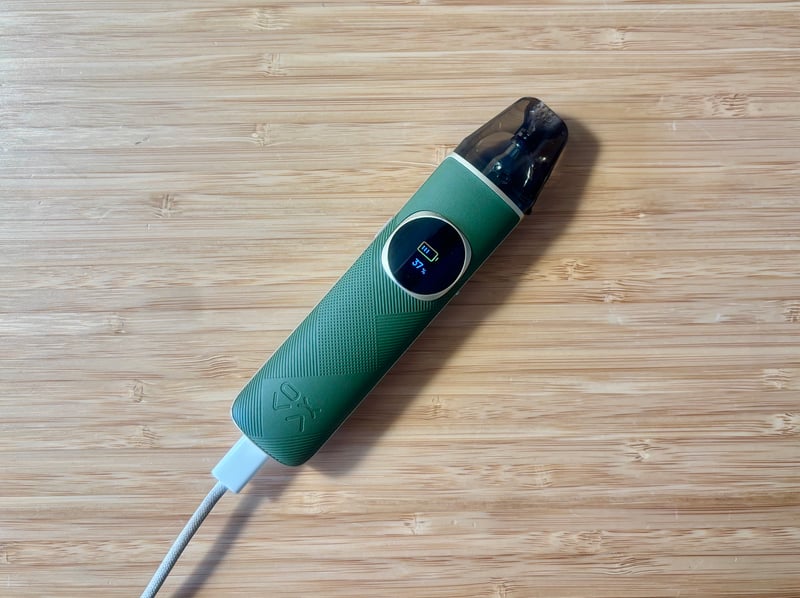
How to Charge Your First Vape Kit
Learn how to charge your first vape kit safely, including USB-C setup, charge times by mAh, battery light meanings and quick fixes for UK beginners.
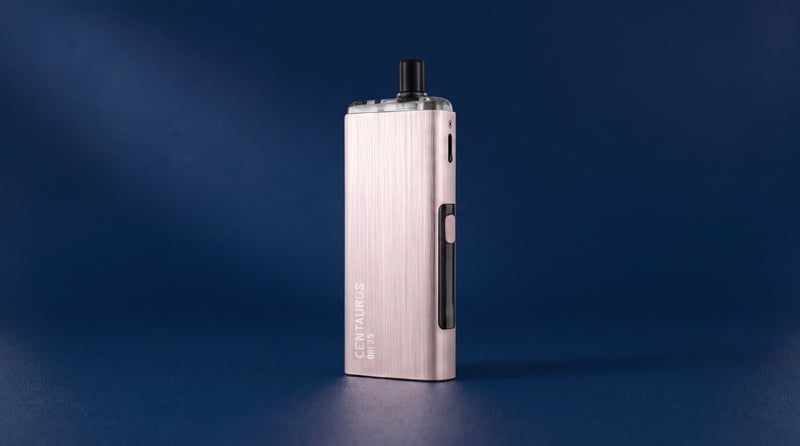
Why Does My Vape Taste Burnt? Causes, Fixes & How to Prevent It
Why does my vape taste burnt? Learn the causes behind burnt hits on coils, pods and disposables, plus fast fixes and prevention tips.
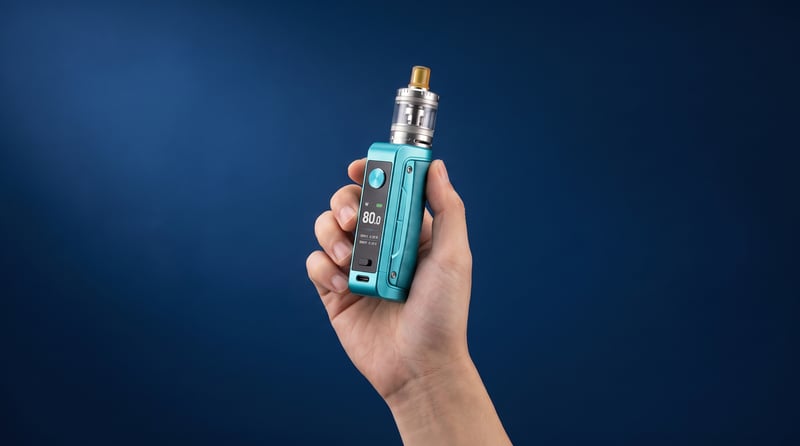
Why Won't My Vape Fire? The Complete Troubleshooting Guide
Learn why won't my vape fire, from the fire lock and flat battery to dirty contacts, error codes and false alarms, plus when to recycle it.