Vaping vs Smoking: Cost & Health Comparison (2026)

Vaping vs smoking on cost and health has a clear answer: the NHS puts vaping at roughly 95% less harmful, and a refillable pod kit costs a fraction of a 20-a-day habit even after the 2026 vape duty. This guide walks through the NHS and ASH evidence, breaks down real UK running costs for smoking, disposables and refillable pods, and shows exactly how the new duty changes your monthly spend. It's not a claim that vaping is risk-free, just an honest look at why it remains the lower-risk, lower-cost option for smokers weighing up the switch.
Vaping vs smoking
Vaping is substantially less harmful than smoking. The Public Health England position, based on expert reviews, is that nicotine vaping is around 95% less harmful than smoking.
The reason comes down to what you are actually inhaling. Cigarette smoke contains roughly 7,000 chemicals, many of them toxic and many produced by burning tobacco. Vapour exposes you to far fewer chemicals at far lower levels, because nothing is being burned. The NHS notes that while nicotine is addictive, it does not carry the tar and combustion products found in cigarettes.
If you are brand new to vaping, start with our Beginners' Guide to Vaping and get the terminology sorted before you buy anything.
What the NHS and ASH actually say
The NHS is direct: nicotine vaping is less harmful than smoking, though it is not completely harmless and the long-term effects are not yet fully understood. Children and non-smokers should never vape.
ASH 2026 data puts the scale of the switch in context:
- 10% of GB adults aged 18+ vape, an estimated 5.5 million people (ASH, 2026)
- 60% of adult vapers used to smoke and have now given up, around 3.3 million people (ASH, 2026)
- 11% of GB adults smoke, down from 13% across 2021 to 2025 (ASH, 2026)
- 52% of adults who smoke believe vaping is as harmful or more harmful than smoking (ASH, 2026)
Smoking
- Harm level: the reference point everything else is measured against
- Chemicals: roughly 7,000, many toxic, from burning tobacco (NHS)
- Addiction: nicotine plus the full combustion habit
- Cost: highest running cost of any nicotine option in the UK
- Smell and staining: lingers on clothes, walls and fingers
- Regulation: heavily taxed and restricted tobacco product
Vaping
- Harm level: around 95% less harmful than smoking (NHS)
- Chemicals: far fewer, at lower levels, no combustion
- Addiction: nicotine, without tar or tobacco (NHS)
- Cost: substantially lower, even after the 2026 vape duty
- Smell and staining: minimal, vapour dissipates quickly
- Regulation: TPD limits of 20mg/ml nicotine and 2ml tanks
Less harmful is not the same as harmless
Vaping is not risk-free. The NHS is clear that it is not completely harmless, and that the long-term effects are not yet known. It is not recommended for non-smokers or for anyone under 18.
The honest verdict for a UK adult already smoking or vaping is straightforward. If you smoke, vaping is the far lower-risk option. If you have never smoked, there is no reason to start vaping at all.
For a fuller picture of how vapour compares to other nicotine products, have a look at our Vaping vs Heated Tobacco breakdown.
The real cost: what smoking vs vaping actually costs in the UK
A 20-a-day smoker spends well over £4,000 a year at current UK cigarette prices. Vaping does not come close to that, even after the 2026 duty landed. The gap is the single biggest reason most of our customers made the switch in the first place.
Cost of a 20-a-day smoking habit per year
Twenty cigarettes a day at typical UK pack prices works out at roughly £4,000+ over twelve months. That is money going up in smoke daily, and it only climbs as tobacco duty rises each Budget. Nothing about vaping is free, but the running costs sit in a completely different bracket.
Vaping startup and ongoing costs
Getting started is cheap and simple. A refillable pod kit runs around £10 to £30 upfront, and that is your one big outlay. From there, your ongoing costs are just three things:
- E-liquid: 10ml salts or 100ml shortfills, far cheaper per day than a pack of cigarettes
- Replacement coils: swapped every one to two weeks depending on how hard you vape
- Occasional pods: refillable pods last a good while, so this is rare rather than routine
A device like the XROS 6 pod kit is a solid example of the entry point: buy the kit once, then top it up with liquid and the odd coil. We run refillable pod kits day to day, so we know how the numbers stack up over a real month of vaping.
Disposables vs refillable pod kits on cost
Disposables are where people quietly burn money. A single big-puff disposable (now banned, but a lot of UK comsumers treat prefilled devices the same) might replace a day or two of vaping, and at a few pounds a pop that adds up fast, closer to smoking money than most realise. A refillable pod kit is dramatically cheaper long-term because you are only paying for liquid and coils, not a whole new device every couple of days.
We have seen more switchers move from big-puff disposables to refillable pods, and the cost is a big part of why. If you are making that jump, our guide on How To Switch From Disposables To Reusable Vapes walks you through it properly.
Smoking (20 a day)
- Daily: ~£11
- Weekly: ~£77
- Yearly: £4,000+
- 5-year: £20,000+
Disposables/prefilled (daily)
- Daily: ~£5
- Weekly: ~£35
- Yearly: ~£1,800
- 5-year: ~£9,000
Refillable pod kit
- Daily: ~£1 (liquid + coils)
- Weekly: ~£7
- Yearly: ~£400 + kit
- 5-year: ~£2,000
Figures are indicative and depend on how much you vape and what you pay per bottle, but the shape holds every time: refillable pods are the way to get your nicotine, disposables sit in the middle, and smoking is in a league of its own. So yes, vaping is cheaper than smoking, and refillable vaping is cheaper still.
How the 2026 vape tax changes the cost
From October 2026 the UK introduces a Vaping Products Duty on all e-liquid, and GOV.UK confirms it applies at a flat rate per millilitre regardless of nicotine strength. That means the price of your salts and shortfills is going up. It does not mean smoking suddenly becomes the sensible option. The gap narrows, but it stays wide.
For the full breakdown of rates, timelines and what it means for DIY mixing, have a look at The Vaper's Guide to UK Vape Tax (2026). If you want to see how the UK stacks up globally, Vape Tax: UK vs Other Countries puts it in context.
What the new e-liquid duty means for your budget
The duty is charged per millilitre of finished e-liquid, and VAT is then applied on top of that duty. So a 10ml bottle carries both the excise charge and the VAT on that charge. Here is how a typical 10ml salt bottle changes once the duty lands.
The exact per-ml rate is set by GOV.UK, so treat the figures above as a worked illustration of how the maths stacks rather than a fixed price. The key point is the mechanism: duty first, then VAT on that duty. Larger-format shortfills feel it hardest per bottle because there is simply more liquid to tax, though the per-ml cost tracks the same rate.
Vaping still cheaper than smoking after the tax
Even with the duty applied, the sums stay firmly in vaping's favour, and there are two reasons for that.
- Tobacco duty keeps climbing too. GOV.UK confirms tobacco duty rises above inflation at each Budget, so a pack of cigarettes gets steadily dearer alongside the new vape duty. The cost gap does not close, both sides move.
- You use less liquid than you think. A 10ml bottle lasts most refillable pod users several days. Even a post-duty bottle spread across a week is a fraction of what a daily smoker spends on cigarettes over the same period.
Put simply, the annual cigarette spend for a pack-a-day smoker runs into the thousands, while a year of e-liquid at post-duty prices sits at a small fraction of that. We run refillable pod kits day to day and sub-ohm tanks in the evenings, so we mix salts and shortfills in roughly equal measure, and even accounting for the new duty our monthly liquid outlay stays modest. The 2026 tax is a real cost to plan for, not a reason to think twice about the switch.
Health comparison: heart, lungs and long-term risk
The NHS states plainly that nicotine vaping is less harmful than smoking. That does not mean vaping is harmless, and we are not going to pretend otherwise. But the gap between the two is significant, and it comes down to one thing: the smoke.
Risks of smoking
Smoking is the leading cause of preventable death and disease in the UK.
The harm comes from combustion. When tobacco burns, it produces tar and thousands of toxic chemicals that get pulled deep into the lungs and circulated through the body. The NHS points out that nicotine, while highly addictive, does not contain the toxic chemicals found in cigarettes, including tar and tobacco. It is the burning that does the damage, to your lungs, your heart and your long-term risk of serious disease.
Risks of vaping
Vaping is not completely harmless, and the NHS is clear that the long-term effects are still being studied. That is a genuine unknown and worth being straight about.
What we do know:
- Vaping heats an e-liquid into a vapour rather than burning anything, so there is no tar and no combustion smoke.
- Nicotine itself is addictive, but the NHS position is that it is relatively low-risk to health. It is the smoke that causes most of the harm in cigarettes.
- E-liquid typically contains propylene glycol, vegetable glycerine, flavourings and nicotine, and nothing like the chemical load of burning tobacco.
**Children and non-smokers should never vape. **
Why switching improves your health
The NHS is explicit here: switching completely to vaping reduces your exposure to the toxins that cause smoking-related disease. The key word is completely. Half-and-half, a few cigarettes alongside your vape, does not give you the benefit, because you are still pulling smoke into your lungs.
The current evidence points to vaping being far lower risk than smoking, even with the long-term picture still being researched. If you are making the switch, going fully over to vaping is where the health gap actually opens up.
For the legal side of nicotine strengths, TPD limits and what is compliant to buy in the UK, have a look at our guide to UK Vaping Laws, Safety & Compliance.
Vaping vs patches, gum and prescription quit meds
Vaping is the most effective stop-smoking tool available in the UK, and the NHS says so. Patches, gum and lozenges still work for plenty of people, but the evidence puts vaping ahead. Here is how each method actually stacks up.
Effectiveness compared
The NHS position is clear: nicotine vaping is "one of the most effective tools for quitting smoking" (NHS Better Health). That is the headline, but the reasons matter.
- Vaping replaces both the nicotine and the hand-to-mouth routine of a cigarette. That combination is why it outperforms patches and gum for most people making the switch.
- Patches deliver a slow, steady dose of nicotine but do nothing for the ritual, so cravings hit harder in the moment.
- Gum and lozenges give faster relief than patches but still miss the behavioural side.
- Nicotine pouches are another tobacco-free, smoke-free option worth knowing about. You tuck one under your lip and absorb the nicotine through the gum, no vapour and no smoke. Have a look at our Nicotine Pouches Explained guide for the full rundown.
The NHS also points out that many people find combining methods works best, for example vaping alongside a patch, all with free NHS Stop Smoking support behind it.
Vaping has an upfront cost for the kit, then the running cost drops to e-liquid and the odd coil. Patches, gum and pouches are a repeat purchase with no real end point until you stop nicotine altogether. Prescription cessation medicines come with no product cost when a GP prescribes them, which is worth factoring in.
When another method might suit you better
Vaping is not the right fit for everyone, and that is fine.
- You do not want to inhale anything. Patches, gum or nicotine pouches keep you tobacco-free and smoke-free without vapour. If pouches appeal, our How To Choose The Right Nicotine Pouch Strength guide will help you land on the right level.
- You want a hands-off approach. A patch is fit-and-forget for the day, no kit to carry or refill.
- You have tried nicotine replacement before and it did not hold. This is where a GP conversation earns its place. Prescription cessation options exist through your GP, and the NHS confirms vaping can be combined with NHS Stop Smoking support for a stronger result.
There is no single "best way to quit smoking" that works for every person. The honest answer is the method you will actually stick with, and for a large share of switchers in the UK, that turns out to be a refillable vape.
Choosing the right nicotine strength when you switch
Get your nicotine strength wrong and you are far more likely to drift back to cigarettes. Too low and the cravings never settle, so you end up chain-vaping or reaching for a rollie. Too high and the throat hit is harsh enough to put you off entirely. It is one of the most common reasons a switch does not stick, and it is the bit most guides skip over.
The UK caps e-liquid at 20mg/ml under current TPD regulations, so that is your ceiling. There is no legal way to buy a stronger bottle here, and for the vast majority of switchers 20mg is plenty.
Matching strength to how much you smoke
Heavier smokers usually need a higher strength to keep cravings in check early on. As a starting point:
- 20+ a day: 20mg/ml nic salts. The full legal strength gives you a fast, satisfying hit that matches a heavier habit.
- 10 to 20 a day: 10mg to 20mg/ml. A 20-a-day smoker sits right at the top of this band, so most start on 20mg and see how they get on.
- Under 10 a day, or roll-ups: 6mg to 10mg/ml is often enough.
Nicotine salts are the sensible pick for new switchers on an MTL pod kit. They deliver nicotine quickly and smoothly, so 20mg goes down easily where the same strength in freebase would sting your throat. That is exactly why we run refillable pod kits day to day, and why 0.8 ohm pods on 50/50 salts are the sweet spot most of our customers settle on. The NHS position is that e-liquids come in different nicotine strengths precisely so you can control how much you need to manage cravings and withdrawal symptoms.
If you are still weighing up the hardware, our How To Choose Your First Vape Kit guide walks through pods, tanks and what suits a fresh switcher.
Stepping down over time
Start where your cravings are, not where you want to be in six months. Once you have gone a few weeks without the itch, and you are reaching for the device out of habit rather than need, you can start dropping down a strength.
There is no rush and no fixed timetable. A typical path looks like:
- 20mg salts to settle the switch
- Down to 10mg once cravings are steady
- 6mg or lower if and when you fancy it
Some vapers stay at 10mg for years and that is fine. The goal is staying off cigarettes, not chasing zero. For the full breakdown of strengths, VG/PG ratios and how they change the experience, have a look at our How To Choose The Right E-Liquid Strength guide.
Secondhand exposure and environment
Every cost and health comparison stops at the person doing the vaping. Two things get left out: who else breathes it in, and where the kit ends up when you are done. Both matter, and both land firmly in vaping's favour when you look at the evidence.
Secondhand smoke vs secondhand vapour
Secondhand smoke is a proven, serious health risk. That is settled. The NHS position is that nicotine vaping is substantially less harmful than smoking, and the same logic carries across to what bystanders are exposed to.
The evidence on secondhand vapour points to much lower risk than secondhand smoke. There is no tar and no combustion, so the aerosol you exhale is a different beast to the smoke off a cigarette. Worth keeping in perspective, though: the NHS is clear that vaping is not completely harmless and the long-term picture is still being studied, and non-smokers and children should never vape.
Common-sense courtesy still applies:
- Do not vape around babies, children or anyone who would rather you did not.
- Indoor spaces and vehicles with others in them are best avoided.
- Many venues and transport operators ban vaping outright, so check before you exhale. We cover the rules in full in our UK Vaping Laws, Safety & Compliance guide.
Waste, batteries and recycling
Refillable kits produce far less waste than daily disposables, and it is not close. A refillable pod kit or sub-ohm tank runs for months or years. You replace coils and top up e-liquid rather than binning a whole device every few days. We have seen more switchers move from big-puff disposables to refillable pods since the 2026 duty landed, and the waste saving is one of the better reasons to make that move.
Here is the part people get wrong. Vapes contain lithium batteries. They are classed as electrical waste and must be recycled, not put in your household bin or recycling wheelie. A lithium cell crushed in a bin lorry is a genuine fire risk.
How to recycle a vape or disposable in the UK:
- Take it to a dedicated vape or battery recycling point. Many vape shops and larger supermarkets have collection bins.
- Retailers that sell electricals are obliged to take old ones back under WEEE rules, so ask at the counter.
- Household waste recycling centres accept batteries and small electricals.
- Never throw a vape or spare battery in general rubbish.
For the pound-for-pound and gram-for-gram footprint, refillable wins comfortably: less plastic, fewer batteries, less lithium heading toward the wrong bin. Sort your recycling out properly and it is cleaner on both counts.
Frequently Asked Questions
Yes, considerably. A 20-a-day smoker is looking at over £4,000 a year, while a refillable vape kit with e-liquid typically runs a few hundred pounds annually. Even with the 2026 vape tax added on, vaping still works out significantly cheaper than keeping up a cigarette habit.
NHS guidance and independent expert reviews put vaping at around 95% less harmful than smoking cigarettes, largely because you avoid the tar and thousands of combustion chemicals produced by burning tobacco. That said, vaping is not risk-free, and it is recommended specifically for adult smokers looking to move away from cigarettes rather than for non-smokers to take up.
Most people who switch from cigarettes to vaping save well over £2,000 a year, depending on how much they previously spent on tobacco. You will get the biggest savings with refillable pod kits and bottled e-liquid rather than disposables, since disposables cost more per millilitre and per puff over time.
Research consistently shows that vaping helps more smokers move away from cigarettes than traditional aids like patches or gum. Results tend to be strongest when vaping is combined with support from NHS Stop Smoking services, giving you both the nicotine delivery you're used to and practical guidance through the switch.
It depends on how much you currently smoke. Heavier smokers, say 15 or more cigarettes a day, generally start higher, up to the UK legal cap of 20mg/ml, while lighter smokers can often manage on less. Nicotine salts in an MTL pod kit tend to suit most new switchers, giving a smooth throat hit that feels familiar coming from cigarettes.
There is currently no evidence that secondhand vapour carries the same risks as secondhand cigarette smoke, and it doesn't contain tar or the combustion by-products found in tobacco smoke. Even so, it's good practice to avoid vaping around children, pregnant women, and in enclosed spaces where others haven't consented to it.
No, vaping remains far cheaper than smoking even with the new e-liquid duty factored in. The tax will push up the price of bottled e-liquid and disposables to some degree, but cigarette duty and VAT combined still make tobacco the far pricier habit by a wide margin.
About the author

Related guides
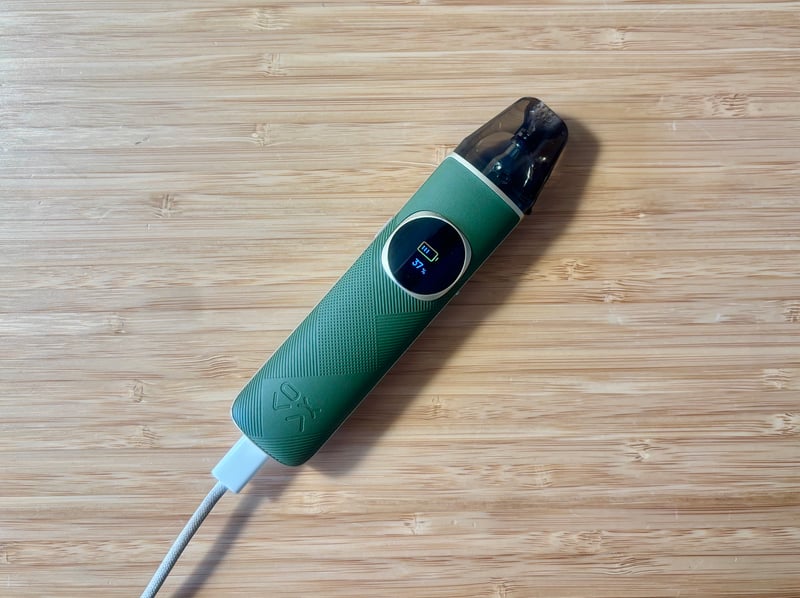
How to Charge Your First Vape Kit
Learn how to charge your first vape kit safely, including USB-C setup, charge times by mAh, battery light meanings and quick fixes for UK beginners.
Why Does My Vape Taste Burnt? Causes, Fixes & How to Prevent It
Why does my vape taste burnt? Learn the causes behind burnt hits on coils, pods and disposables, plus fast fixes and prevention tips.
Why Won't My Vape Fire? The Complete Troubleshooting Guide
Learn why won't my vape fire, from the fire lock and flat battery to dirty contacts, error codes and false alarms, plus when to recycle it.