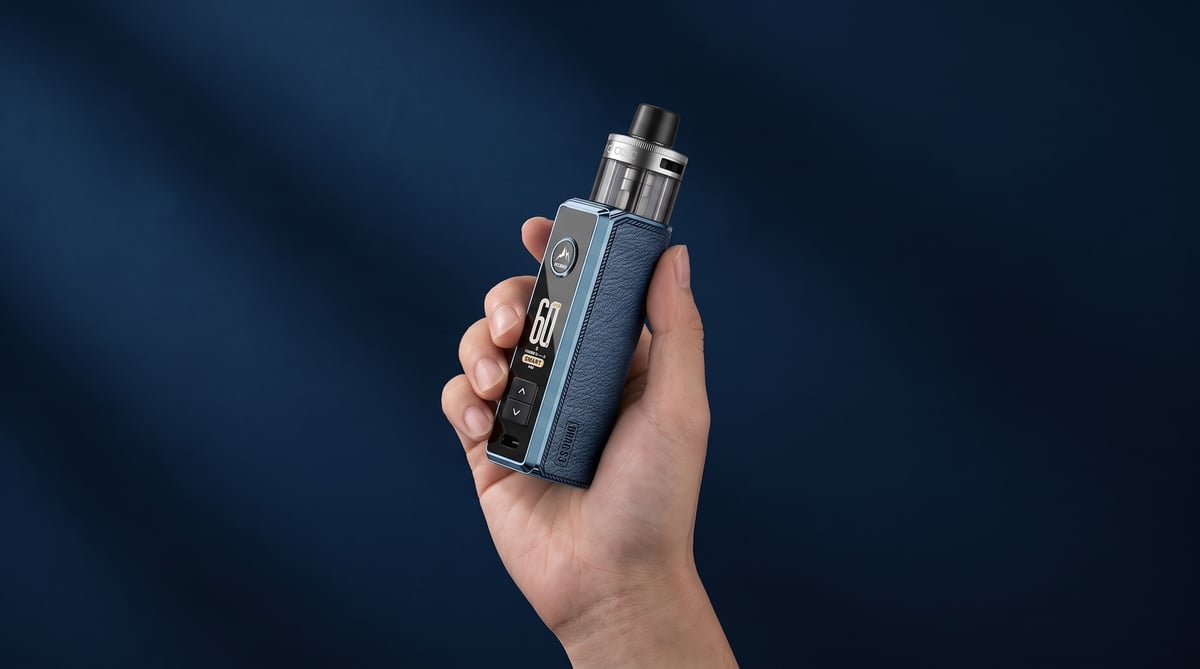
What Wattage Should I Vape At? A Guide to Getting It Right

For most pod kits simply set the wattage between the range that's printed on your coil. Start low, nudge up in small steps, and never go over the top number. This guide walks through the ohm-to-watt chart, matches wattage to pods, pens and sub-ohm mods, and shows how your e-liquid's VG/PG and nicotine strength shift that sweet spot. Follow it through and you'll land on the exact wattage where your coil lasts longest and the flavour stays cleanest.
What Vape Wattage Means
Wattage is the power your device pushes into the coil. More watts means more heat, which means more vapour and a warmer draw. Turn it down and you get a cooler, tighter vape with less cloud. That is the whole job of the wattage setting, and getting it right is the difference between a coil that sings and one that tastes of burnt cotton.
Wattage, voltage and resistance
Three numbers work together every time you press fire:
Wattage (W) Is the power output, the figure you actually set on most modern kits.
Resistance (ohms, Ω) Is how much the coil resists that power. Lower ohm coils let more current through.
Voltage (V) Is the electrical push. On a variable wattage device it is worked out for you behind the scenes, so you rarely touch it.
Here is the bit that matters. Resistance and wattage are a pair, not separate dials. A lower ohm coil needs more wattage to run properly, a higher ohm coil needs less. A 0.6 ohm coil wants a good chunk more power than a 1.0 ohm pod coil, and running either at the wrong end of its range is where problems start. Most coils have a recommended wattage range printed on the side or in the box, and that range exists for a reason.
If the device side of this is new to you, our Vape Devices Explained guide breaks down which kits let you adjust wattage and which set it for you.
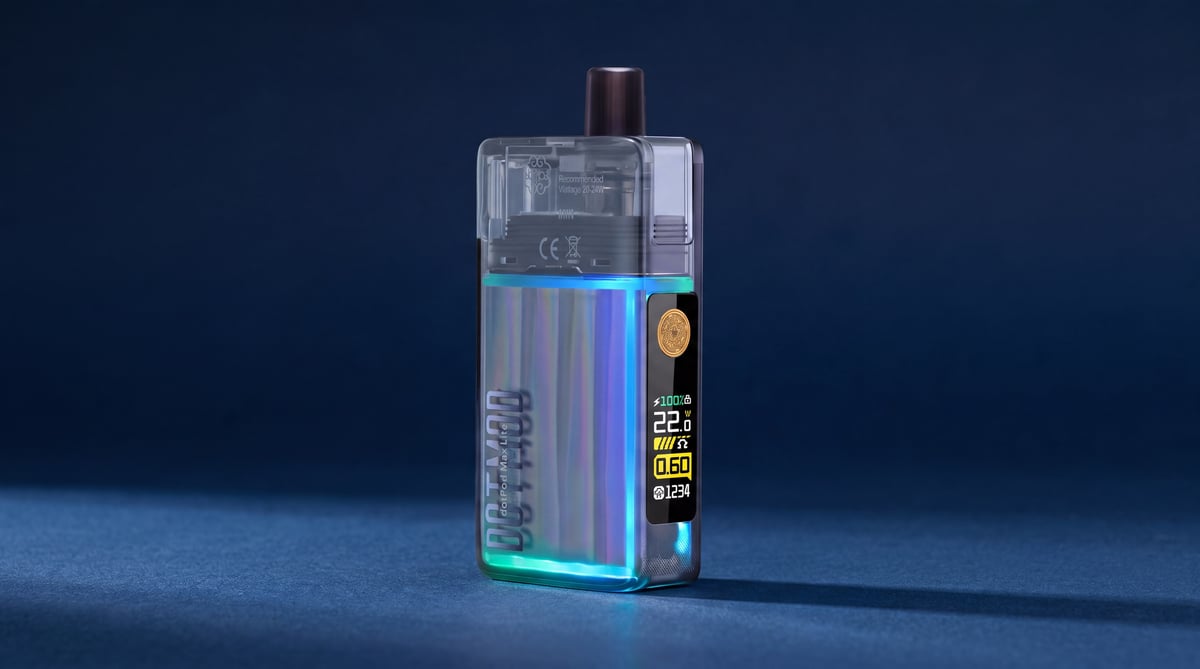
How wattage changes flavour, vapour and throat hit
Every coil has a sweet spot, and it sits between two failures.
- Too much heat scorches the e-liquid faster than the wick can pull fresh juice back in. You get a sharp, acrid dry or burnt hit, and the coil dies early.
- Too little heat leaves the wick soaked but barely warmed. Flavour goes flat, vapour thins out, and the whole thing feels lifeless.
Dial it in correctly and the picture changes fast. Turning the wattage up brings out more vapour, a warmer draw and, on higher-nicotine liquids, a firmer throat hit. Ease it down for a cooler, smoother vape with subtler flavour. We vape every day and we test what we sell before it goes on the shelf, and the pattern holds every time: the right wattage is where the flavour is at its cleanest and the coil lasts longest. That balance point is exactly what the rest of this guide helps you find.
Recommended Wattage by Coil Resistance (Ohm-to-Watt Chart)
The single most useful number in vaping is the wattage range printed on your coil or pod. Manufacturers test each coil and print a recommended range on the box, and per their specs you should always start at the low end and work up. That protects coil life and stops burnt hits before they start.
Resistance sets the ballpark. A higher ohm coil wants less power, a lower ohm coil wants more. As a rough guide across the coils we stock:
1.0 ohm and up ~10-15W Tight MTL draw, high-nic salts, cigarette-style pulls.
0.6-0.8 ohm ~12-25W Restricted DTL, looser airflow, more vapour and flavour.
0.15-0.4 ohm ~25-90W Open sub-ohm DTL, big clouds, high-VG shortfills.
Treat those numbers as a starting point, not gospel. Two 0.6 ohm coils from different brands can want quite different power, which is why the printed range on your own coil always wins.
MTL coils: 1.0 ohm and above
Anything at 1.0 ohm or higher is built for mouth-to-lung. Think 10-15W, a tight draw, and 50/50 or nic salt e-liquid at higher strengths. This is the setup most switchers and pod users run, and it sips liquid rather than guzzling it. Push a 1.0 ohm coil to 25W and you will taste the punishment on the next inhale.
Restricted DTL: 0.6-0.8 ohm
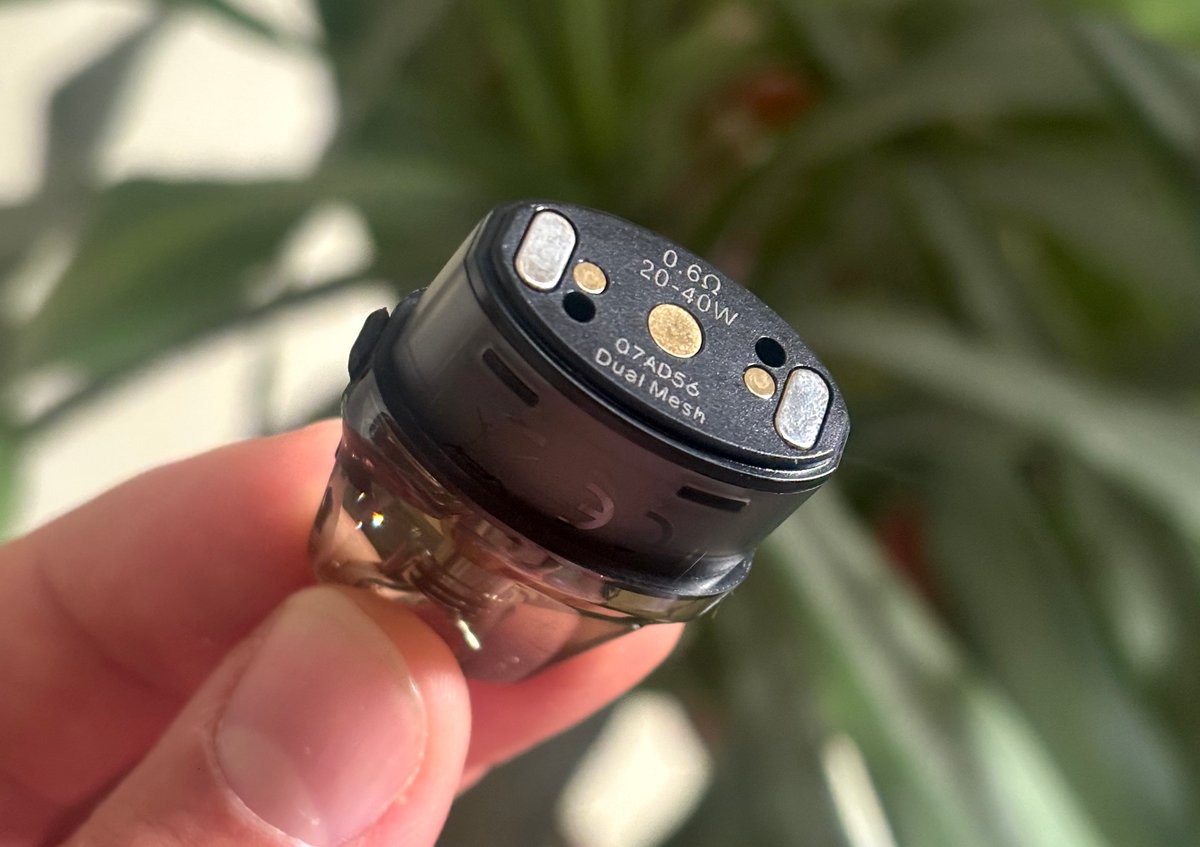
The middle ground, and where a lot of our customers happily settle. Across the mesh coils we stock, 0.8 ohm pods are the sweet spot most of our customers settle on for 50/50 salts. A 0.6 ohm coil typically wants around 15-25W and suits a slightly looser, more airy draw. It is the natural step up from a tight MTL pod without jumping straight to full sub-ohm clouds.
Sub-ohm DTL: 0.15-0.4 ohm
This is proper direct-to-lung territory, and it needs both the power and the right juice. A 0.4 ohm coil sits around 25-40W; drop to 0.15-0.2 ohm and you are looking at 50-90W with a wide open airflow. These coils drink liquid, so pair them with a high-VG shortfill and a low nicotine strength. Feed a sub-ohm coil the wrong e-liquid and it will either flood or scorch.
How to read the range printed on your coil or pod
Every coil we sell has its recommended wattage laser-etched onto the metal or printed on the box, usually as a span like "15-25W". Here is how to use it:
- Start at the bottom of the range. Set your mod to the lowest number and take a few pulls.
- Climb in small steps. Nudge up 2-3W at a time until the flavour and vapour feel right to you.
- Never exceed the top number. Go over and you risk dry hits, a burnt taste, and a coil that dies early.
- Match the liquid to the coil. The right VG/PG ratio matters as much as the wattage. Our How To Match E-Liquid To Your Coil guide breaks that down properly.
Your sweet spot lives somewhere inside that printed band. Find it once, remember it, and every refill after that is easy.
Wattage by Device Type: Pods, Pens, Mods & Sub-Ohm Kits
Your device sets the rules. A pod kit will not fire at 60W and a big sub-ohm mod is wasted on nic salts, so the first question is not "what wattage should I vape at" but "what is this kit built to do". Here is how the three main tiers break down.
Low-wattage pod systems and vape pens
Pod kits and vape pens sit at the gentle end, typically 10-25W. That range is built for MTL vaping, higher-resistance coils and nic salts, which is exactly what most switchers and beginners want.
- Ideal for 50/50 e-liquids and nic salts up to 20mg (the UK TPD limit)
- Tight, cigarette-like draw with a firm throat hit
- Many run at a fixed wattage or auto-adjust, so there is nothing to set
A low wattage vape mod or pen keeps things simple and sips liquid slowly. We run refillable pod kits day to day and sub-ohm tanks in the evenings, so we mix salts and shortfills in roughly equal measure, and the pod does most of the heavy lifting through the day.
Mid-range variable wattage kits
This is the middle ground, and it is where a lot of vapers settle for good. A variable wattage vape pen or compact kit usually spans roughly 20-40W, letting you fine-tune flavour without committing to a full sub-ohm setup.
Adjustable wattage vape mods for beginners are worth easing into rather than diving straight to the top of the dial. Start low, pull, then nudge up 2-3W at a time until the flavour is warm and full but never harsh. When it starts tasting scorched, you have gone one step too far, so drop back down. That gentle progression is the whole point of variable wattage: you dial in the coil rather than guess.
High-wattage and adjustable wattage vape mods
High wattage vape mods start around 50W and climb well beyond, pairing with sub-ohm coils, DTL tanks and high-VG shortfills for big, warm clouds and bold flavour. This is evening-vape territory, not all-day salts.
- 50W+ suits coils under 0.6 ohm and 70/30 or higher VG e-liquid
- Bigger battery capacity for the extra power draw
- A looser, airier draw for direct-to-lung inhaling
If you are chasing vapour and flavour intensity, this is where you land. Just keep the nic strength low, because high-VG shortfills at these wattages get through liquid fast.
Low wattage: 10-25W
Pod kits and pens for nic salts and MTL vaping. Simple, pocket-friendly and easy on liquid. XROS 6
Mid-range: 20-40W
Variable wattage kits for dialling in flavour. The natural step up from a pod, and where many vapers stay. XROS 6
High wattage: 50W+
Sub-ohm mods for DTL clouds and high-VG shortfills. Big battery, big airflow, bold flavour. Aegis Legend 5
How E-Liquid, VG/PG and Nicotine Change Your Ideal Wattage
Your ideal wattage is set as much by what is in the tank as by the coil in it. Two vapers on the same kit can land on wildly different settings because one runs a thick 70/30 shortfill and the other runs a 50/50 nic salt. Get the pairing wrong and you will chase flavour or fight harshness all day.
High-VG vs high-PG and wattage
Thicker liquid needs more power, and it needs a coil that can wick it. High-VG juice (think 70/30 shortfills) is gloopy, so it flows slowly into the cotton. Pair it with a sub-ohm mesh coil and enough wattage to vaporise it properly, otherwise the wick starves and you get a dry hit.
- High-VG (70/30 and up): sub-ohm coil, DTL kit, higher wattage. This is your high-wattage vape juice territory, the classic shortfill and mod pairing.
- High-PG (50/50): thinner liquid, wicks fast, suits low-wattage MTL pods and plus-ohm coils. Push too much power through a 50/50 and it will taste hot and thin.
If you are unsure what your bottle actually is, our Understanding VG & PG in E-Liquid guide breaks the ratios down. As a rule, the higher the VG, the more headroom you need on the wattage dial.
Nic salts vs freebase: why higher nicotine wants lower wattage
Higher nicotine feels harsh at high wattage, which is exactly why nic salts belong in low-wattage MTL setups. Salts are smoother than freebase at the same strength, so you can run a higher nicotine level (up to the UK TPD limit of 20mg/ml) without the throat hit becoming unpleasant. Crank a 20mg salt through a sub-ohm coil at 40W and you will be coughing, not vaping.
The general logic:
- Nic salts, 10mg to 20mg: low-wattage pods and MTL kits, plus-ohm coils.
- Freebase, 3mg to 6mg: happy at higher wattage in sub-ohm tanks, where you are inhaling far more vapour per pull.
A common question we get is which nicotine salts strengths are best for pod systems and low-wattage vape kits in the UK. For most switchers on a refillable pod, 20mg salts suit a heavier habit and 10mg suits a lighter one, both in a 50/50. Across the mesh coils we stock, 0.8 ohm pods are the sweet spot most of our customers settle on for 50/50 salts. There is more detail in What Are Nic Salts? if you want the full picture.
Adjusting when you switch e-liquid mid-tank
Change the liquid, and you may need to change the wattage to match. This is the bit people forget. If you empty a 50/50 tank and top it up with a thicker 70/30, the same setting that tasted balanced before can suddenly taste muted, because the higher-VG liquid needs a touch more power to open up the flavour.
What to do when you swap mid-session:
- Going thicker (more VG): nudge the wattage up a couple of watts and give it a moment to wick.
- Going thinner (more PG): ease the wattage down, or you will scorch it.
- Changing nicotine strength: if you have jumped up in nicotine, drop the power to keep the throat hit civil.
Small tweaks, one or two watts at a time, then take a pull and judge it. We run refillable pod kits day to day and sub-ohm tanks in the evenings, so we mix salts and shortfills in roughly equal measure, and this is the habit that keeps every fill tasting right.
Troubleshooting: Burnt Hits, Dry Hits, Gurgling & Weak Flavour
Most vape problems come down to two numbers being out of step: your wattage and your coil's range. Get those aligned and the vast majority of burnt hits, gurgles and weak flavour sort themselves out. Here is how to read what your kit is telling you.
Burnt or harsh taste = too high (or unprimed)
A burnt, acrid taste almost always means one of two things: your wattage is above what the coil can handle, or the coil never got the wick soaked before you fired it.
- Wattage too high. If you push past the printed range on the coil, the mesh heats faster than the wick can feed it liquid. The result is a dry, harsh, sometimes properly scorched taste. Drop your power in 2-3W steps until it cleans up.
- Unprimed coil. Fire a bone-dry wick and you burn the cotton on the very first pull. That damage is permanent, so no amount of tweaking brings the coil back.
In our own testing, priming a mesh coil for a good five minutes before the first pull is the single biggest thing that stops a burnt first hit. Saturate the wick ports, let it sit, then start low. Full walkthrough here: How To Prime a Vape Coil / Pod.
If the burnt taste hits partway through a tank rather than on a fresh coil, check your liquid level. Vaping a near-empty tank at higher wattage is a fast route to a dry hit.
Gurgling and flooding = too low
Gurgling, spitback and that hot spot of liquid on your lips point the other way: wattage set too low for the liquid you are wicking.
Here is the mechanism. The wick keeps drawing e-liquid in, but if the coil is not hot enough to turn it all to vapour, the excess pools in the chamber. That pooled liquid is what you hear bubbling and what spits back up the mouthpiece.
- Nudge your wattage up a couple of watts at a time until the gurgle stops.
- Check your VG/PG. A thin, high-PG liquid floods a big sub-ohm coil quicker than a thicker high-VG shortfill.
- Give it a few seconds between draws when a tank is freshly filled so the coil can catch up.
If spitback is your main gripe, we have a dedicated breakdown of causes and fixes: Why Is My Vape Spitting?
Coil break-in: your first few puffs on a new coil
A fresh coil needs easing in, and this is the step most people skip. Prime it, then start 2-3W below your usual setting for the first tank, building up gradually as you go.
- Prime first. Wet the wick ports, drip a little into the centre, fill the tank and rest it for five mines before the first pull.
- Start low. Those first few puffs at a reduced wattage let the cotton fully saturate under gentle heat rather than shocking a partly dry wick.
- Build up. Add a watt or two per fill until you reach your normal range. By the end of the first tank the coil is broken in and giving you clean, full flavour.
Skip the break-in and even a perfectly good coil can taste flat or slightly singed from the off. Two minutes of patience up front is the difference between a coil that lasts a fortnight and one you bin after three days.
Wattage, Coil Life & Cost: The UK Value Angle
The single number on your device does more than shape the vape. It decides how long your coils last and how often your battery needs charging, which is money out of your pocket over a year of vaping. Get it right and a coil that costs a couple of quid stretches to a fortnight or more. Get it wrong and you are binning coils inside a few days.
How high wattage burns through coils and battery faster
Run a coil near the top of its stated range and it works harder, hotter and shorter. More heat means the wick dries quicker between pulls, the cotton chars faster, and flavour drops off well before the coil's normal lifespan is up. Push it constantly and you will notice the vape turn dull and slightly burnt long before you expected to swap heads.
The knock-on effects add up:
- Faster coil wear. More heat cooks the cotton and mesh quicker, so you replace coils more often.
- Heavier battery drain. Higher wattage pulls more power per puff, so a mod that lasts a full day at 40W might need a mid-afternoon top-up at 70W. That is the short answer to whether high wattage uses more battery: it does, noticeably.
- Hotter vapour. More watts raise the vapour temperature, and in warm weather that can feel harsh on the throat rather than smooth.
Cost-per-coil is the bit most guides skip. If a three-pack of coils lasts you three weeks instead of six because you are running them flat out, you have effectively doubled that part of your running cost. For anyone watching the budget, especially since the 2026 duty landed, that matters as much as the price of your e-liquid.
Finding the sweet spot for flavour and longevity
Aim for the middle of the coil's recommended band, not the ceiling. That is where flavour, vapour and coil life all sit comfortably together. A 0.8 ohm mesh coil rated 12-25W is happiest around 16-20W, and it will taste cleaner and last longer there than it would pinned at 25W.
The best wattage for coil longevity is the lowest setting that still gives you the vape you want. Start low, nudge up a watt or two at a time until the flavour and draw feel right, then stop. There is no prize for running higher than you need, and plenty to lose.
A few things that keep coils going longer at any wattage:
- Prime properly before the first pull. In our own testing, priming a mesh coil for a good five minutes before the first pull is the single biggest thing that stops a burnt first hit.
- Keep the tank topped up so the wick never runs dry.
- Match the coil to your style. If you are unsure whether you are an MTL or DTL vaper, our guide on Vaping Styles Explained: MTL vs DTL vs RDTL sorts that out first.
Dial in a sensible wattage and coils reward you. For a full breakdown of what to expect and how to stretch each head further, have a look at How Long Do Vape Coils Last?.
Frequently Asked Questions
Most 0.6 ohm coils sit comfortably in the 15-25W range, though you should always check the number printed on the coil itself as it varies by brand. Start at the lower end and nudge up a couple of watts at a time until the flavour hits its sweet spot, that's usually the point just before it starts to taste harsh.
We stock low-wattage pod kits like the XROS and Caliburn ranges, which pair perfectly with 10mg or 20mg nic salts for a proper MTL draw. The key is matching the e-liquid's VG/PG ratio and nicotine strength to your pod's coil resistance, get that wrong and you'll either flood the coil or miss out on flavour.
10mg suits lighter or occasional smokers who want a gentler throat hit, while 20mg, the UK legal maximum, tends to suit heavier ex-smokers after that familiar punch. Nic salts are formulated specifically for low-wattage MTL devices, so they won't perform well, or taste right, in a high-power sub-ohm kit.
Not automatically, cranking the wattage up too far just burns the coil faster and turns your flavour bitter. Higher wattage has its place for sub-ohm DTL setups where you're chasing big clouds, but MTL pod kits are designed to run low and stay there.
That burnt taste usually means the wattage has crept above what the coil's built for, or the coil wasn't primed properly before firing. Drop the power back down to the recommended range and, if the coil's already scorched, swap it out and give the new one a proper prime with a few drops of e-liquid first.
Variable wattage means you can adjust the power sent to the coil rather than being locked to a single fixed output. It's handy for fine-tuning flavour and vapour production, especially when you're switching between different coils or e-liquids that each perform best at slightly different power levels.
Look for the number printed directly on the coil or pod, it's usually shown as a range like 15-25W. Start your device at the bottom of that range and work upwards gradually, giving the coil time to prime properly before you settle on the wattage that suits your flavour and vapour preference.
About the author

Related guides
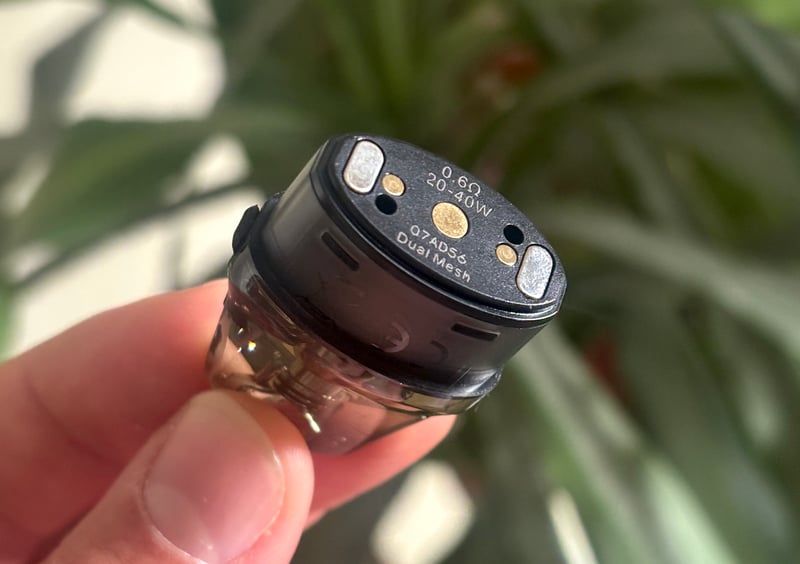
What Does Ohm Mean On A Vape? Resistance, Wattage & Coils Explained
What does ohm mean on a vape? Learn coil resistance, ideal wattage per ohm, sub-ohm vaping and MTL vs DTL, so you pick the right coil and e-liquid.
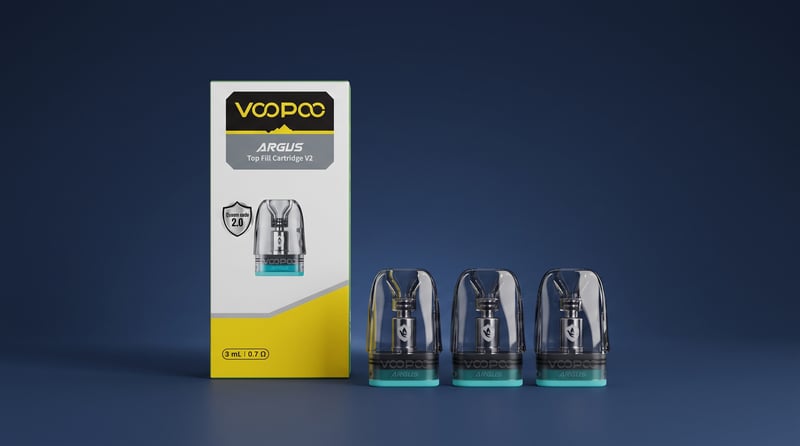
Vape Pod vs Coil: What's the Difference (And Which Do You Need)?
Vape pod vs coil - what's the difference? Learn built-in vs replaceable coils, Geekvape XM vs Z codes, cost, flavour and troubleshooting to find your fit.
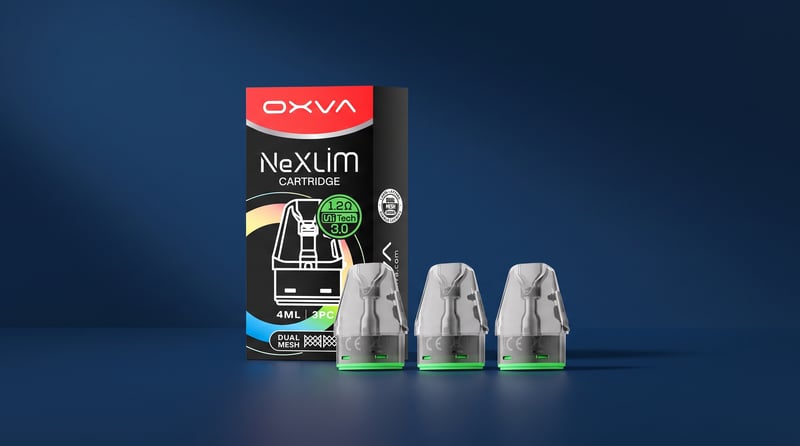
How Long Do Vape Coils Last?
How long do vape coils last? Get puff benchmarks, Vaporesso/SMOK/Voopoo lifespans, cost-per-week ROI and proven tips to make coils last longer.