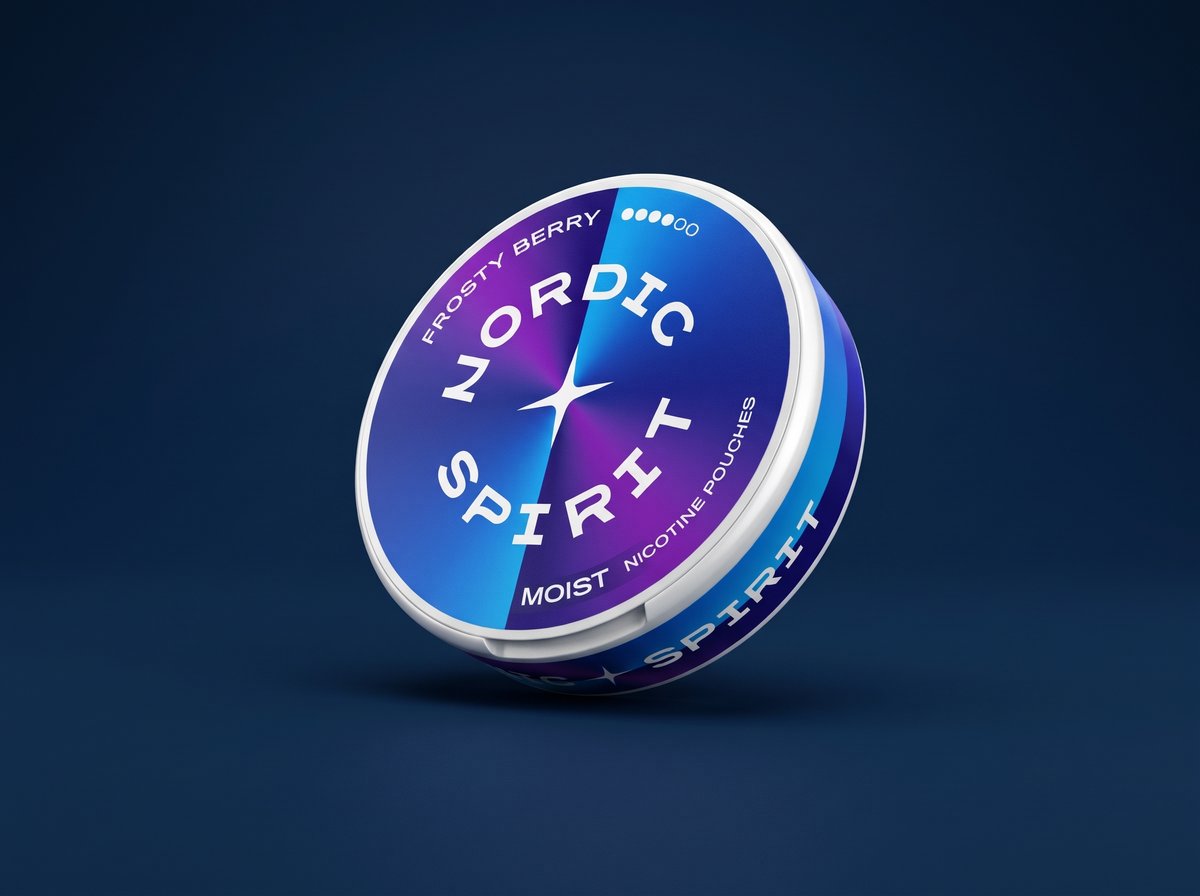
How Do Nicotine Pouches Work? Absorption, Ingredients & Timing Explained (UK)
 Vape & E-Liquid Team
19 min read
Here is how nicotine pouches work: nicotine is absorbed through the lining of your mouth, not your lungs. Saliva releases the nicotine from the pouch, with no flame, no vapour and no device involved. A pH adjuster tips nicotine into freebase form so it crosses the gum more readily, and that's also why you get the tingle. We also cover what's inside a pouch and the typical 20 to 30 minute timeline from tuck to bin, plus how pouches compare with snus and vapes, how brands like Velo label strength, and how to avoid common side effects.
How Do Nicotine Pouches Work? The Short Answer
A nicotine pouch sits between your upper lip and gum, your saliva moistens it, and nicotine dissolves out and passes through the lining of your mouth into your bloodstream. There's no flame, no inhale and no device. Anyone asking how nic pouches work, or how to use nicotine pouches properly, is really asking about that one route: absorption through the mouth rather than the lungs.
For the wider picture on brands, strengths and buying in the UK, have a look at our complete UK guide to nicotine pouches.
Buccal absorption in plain English
"Buccal" just means "relating to the cheek and mouth". The tissue lining the inside of your mouth, the oral mucosa, is thin and well supplied with blood vessels, so nicotine can cross it without being swallowed or breathed in.
Here's how nicotine pouches work, step by step:
- Tuck it in: place the pouch under your upper lip, against the gum.
- Saliva does the work: moisture soaks into the pouch and starts to release the nicotine.
- Nicotine dissolves out: it moves from the pouch into the fluid around it.
- Through the mouth lining: it crosses the oral mucosa and enters your bloodstream.
This route isn't new. According to NHS guidance on stop-smoking aids, licensed nicotine replacement products such as gum and lozenges also deliver nicotine through the lining of the mouth. Pouches use the same basic mechanism in a different format.
Why there is no smoke, vapour or device
Nicotine pouches involve no combustion and no inhalation, so nothing is burnt and nothing reaches your lungs. That sets them apart from both cigarettes and vapes.
- No smoke: nothing is lit, so there's no burning tobacco.
- No vapour: there's no e-liquid being heated into an aerosol.
- No hardware: no battery, no coil, no pod, no charging, no priming.
That last point matters if you're used to the routine of a pod kit or sub-ohm tank. A pouch is a single-use, self-contained product: you put it in, leave it, and bin it once it's spent.
Whatever route nicotine takes, the substance itself behaves the same way. The NHS position is that nicotine does not contain the toxic chemicals found in cigarettes, such as tar, and that those chemicals in tobacco smoke cause the main harms of smoking. The NHS is equally clear that nicotine is highly addictive, and that applies to pouches as much as to cigarettes, vapes or gum.
What's Inside a Nicotine Pouch (and What Each Ingredient Does)
A nicotine pouch is a small fabric sachet holding nicotine, plant fibre, water, flavouring, sweetener and a pH adjuster. There is no tobacco leaf in it at all, and that single fact is what separates a nicotine pouch from snus. Manufacturer ingredient lists for the big brands follow much the same pattern:
- Nicotine (tobacco-derived or synthetic)
- Plant-based fillers, most often microcrystalline cellulose
- Water to set the moisture level
- Flavourings such as mint, citrus or berry
- Sweeteners to round off the bitterness of nicotine
- A pH adjuster, commonly sodium carbonate
Each of these does a specific job, and together they control how quickly the nicotine reaches you. Here is the quick version before we go through them one by one.
Nicotine What it is: the active ingredient, either extracted from tobacco or made synthetically. What it does to absorption: provides the nicotine that passes through your gum lining.
Fillers & pouch What it is: plant fibre such as microcrystalline cellulose, held in a porous fabric sachet. What it does to absorption: holds the other ingredients and lets saliva in and nicotine out.
pH adjuster What it is: an alkaline salt, typically sodium carbonate. What it does to absorption: shifts more nicotine into freebase form, which crosses the gum far more readily.
Flavour & moisture What it is: water, flavourings and sweeteners. What it does to absorption: wetter pouches release nicotine and flavour faster, drier ones build more gradually.
Nicotine: tobacco-derived or synthetic
Most pouches use nicotine extracted from the tobacco plant and purified into a white powder, so you get the nicotine without any of the leaf. Some brands list synthetic nicotine instead, which is made in a lab and is chemically the same molecule. Either way the pouch contains no tobacco leaf, which is the key distinction from snus.
Plant-based fillers and the pouch fabric
Microcrystalline cellulose is a refined plant fibre that gives the pouch its body. It is the white, slightly fluffy material you can see if you split one open. The outer fabric is porous, so saliva soaks in and dissolved nicotine and flavour seep out against your gum. Because there is no shredded leaf, pouches stay clean and white rather than staining like traditional snus.
pH adjusters: the hidden reason pouches work
This is the part most guides skip, and it explains why pouches absorb so effectively. Nicotine exists in two forms: a charged "salt" form and an uncharged freebase form. Only the freebase form slips easily through the lining of your mouth. Raising the alkalinity with an adjuster like sodium carbonate tips the balance towards freebase, so more of the nicotine in the pouch can actually cross into your gum rather than being swallowed with your saliva.
If you vape, the chemistry will feel familiar, just running in the opposite direction. Nic salt e-liquids are deliberately made more acidic, which keeps nicotine in its salt form and gives a smoother throat hit at higher strengths. Pouches push the other way because the goal is absorption through the gum, not a smooth inhale. Our guide on how nicotine salts differ from freebase nicotine covers the e-liquid side in more detail.
The alkaline pH also explains why nicotine pouches tingle. That warm, prickly feeling under your lip in the first few minutes is the alkaline mix and freebase nicotine meeting your gum tissue. Stronger pouches tend to tingle more, and it usually settles as the pouch works through.
Flavourings, sweeteners and moisture
Flavourings and sweeteners mask nicotine's natural bitterness, which is why even plain-tasting pouches carry a sweet edge on the first taste. Moisture matters more than most people expect. A higher water content lets the pouch start releasing nicotine and flavour almost straight away, while a drier pouch needs your saliva to wet it first, so the hit builds more slowly and the flavour lasts a little longer.
Format changes things too. Manufacturers list "slim" and "mini" versions alongside standard sizes, and each one alters the surface area pressed against your gum:
- Slim: longer and flatter, so it sits discreetly and spreads contact across the gum.
- Mini: smaller overall, with less surface area and a gentler, more gradual release.
- Standard: the most contact area of the three, for a fuller release.
From Tuck to Tingle: What Happens After You Put a Pouch In
A nicotine pouch starts working within the first few minutes of tucking it under your lip, peaks during the main release window, then tapers off as it dries out. Manufacturers usually suggest keeping one in for roughly 20 to 30 minutes, with some formats stating up to around an hour. Here is the timeline, stage by stage.
1. Tuck it in Place the pouch between your upper lip and gum, then leave it alone. Time marker: 0 minutes (typical).
2. Tingle A tingle or mild burn usually kicks in as nicotine starts to release. Time marker: first few minutes (typical).
3. Steady release Nicotine and flavour release steadily through the gum during the main window. Time marker: roughly 20 to 30 minutes, some formats up to around an hour (typical).
4. Remove and bin Once the flavour fades and the pouch dries, take it out and put it in a general waste bin. Time marker: end of the brand-stated window (typical).
If you have never used one before, our step-by-step: how to use a nicotine pouch covers placement and first-use technique in more detail.
The first few minutes: tingle and release
Most people feel a tingle or mild burn soon after the pouch goes in. Manufacturer guidance puts this down to two things working together on the gum:
- Nicotine starting to release from the pouch material
- The alkaline pH of the filling, which manufacturers use to help nicotine absorb through the gum
That answers the common question of why your nicotine pouch burns. The sensation is typical rather than universal, so some users feel a sharp prickle, others barely notice it. Stronger pouches and fresh, moist formats tend to make it more noticeable. If it feels too intense, moving the pouch to a slightly different spot along the upper gum is the usual manufacturer tip, and so is dropping down a strength.
Peak effect
After the initial tingle settles, you are into the main release window. This is where most of the nicotine is delivered, and it is why the answer to "how long does a nicotine pouch take to work" is usually measured in minutes rather than seconds. Unlike a pull on a pod kit, which lands almost straight away, a pouch builds up gradually through the gum.
Keep it in one place during this stage. Shifting it around constantly or pressing on it does not speed anything up, and it tends to make the gum feel more irritated.
The taper and when to remove it
On how long to keep a nicotine pouch in, manufacturers usually suggest roughly 20 to 30 minutes, and some formats state up to around an hour. Check the tin, because the brand-stated range is the one to follow for that specific product.
Manufacturer guidance is clear that release tapers off as the pouch dries and the flavour fades. Once that happens, there is very little left to get out of it, so there is no reason to leave one in indefinitely. The signs it is done:
- Flavour has gone flat or disappeared
- The pouch feels dry rather than moist
- The tingle has faded completely
When you take it out, manufacturers ask you to dispose of it in a general waste bin. Not the toilet, and not the street. Many tins include a lid compartment for used pouches, which makes this easy when there is no bin nearby.
Why you shouldn't chew or swallow it
A pouch is designed to sit still against the gum, not be chewed like gum. Manufacturer guidance states that nicotine which ends up swallowed is absorbed less efficiently, and it can cause hiccups or nausea.
Chewing breaks that design in two ways. It squeezes nicotine out into your saliva faster than the gum can take it up, and that saliva then gets swallowed. Keep these rules in mind:
- Do not chew the pouch
- Do not suck hard on it or move it around with your tongue
- Swallow saliva normally but avoid letting the pouch itself drift towards the back of your mouth
- Never swallow the pouch, and keep tins well away from children and pets
Leave it tucked, leave it still, and bin it when the flavour goes. That is how a pouch is meant to work.
How Do Tobacco Pouches Work? Nicotine Pouches vs Snus
A tobacco pouch and a nicotine pouch go in the same spot and deliver nicotine the same way, but only one of them contains tobacco. Snus is the tobacco pouch: a small sachet of ground tobacco leaf tucked under the top lip. Nicotine pouches are tobacco-free, built on plant fibres with nicotine, flavouring and fillers, and they are the ones you can buy legally in the UK.
Same placement, different contents
People search "tobacco pouches" and "nicotine pouches" as if they mean the same thing, and on the shelf they look similar enough to cause confusion. The difference is what's packed inside the sachet. Snus carries moist ground tobacco, while a nicotine pouch swaps the leaf for a white, fibre-based filling with nicotine added.
How tobacco pouches work comes down to the same mechanism as a nicotine pouch. You sit it between your gum and upper lip, saliva moistens the contents, and nicotine is absorbed through the gum into your bloodstream. There's no heating, no inhaling and no vapour involved.
Nicotine pouch
- Contains tobacco leaf: No, tobacco-free
- How nicotine is absorbed: Through the gum, with the pouch tucked under the top lip
- UK sale status: Sold legally
- Typical colour: White
Snus (tobacco pouch)
- Contains tobacco leaf: Yes, ground tobacco
- How nicotine is absorbed: Through the gum, with the pouch tucked under the top lip
- UK sale status: Sale prohibited
- Typical colour: Brown
The colour is the quickest giveaway. Ground tobacco gives snus its brown, slightly damp look, while the plant-fibre base of a nicotine pouch stays white from tin to bin.
Why snus isn't sold in the UK
Snus is legal in some parts of Europe, which is where much of the confusion around "is snus legal in the UK" comes from. Under UK law the sale of snus is prohibited, so you won't find it on any legitimate British retailer's shelves. Nicotine pouches sit in a different category because they contain no tobacco, and they are sold legally here.
The rules around nicotine products, including age restrictions, are set by legislation and can change. Rather than repeat them here, we keep the current position in one place: have a look at our guide to UK nicotine laws, safety and compliance for the up-to-date regulatory picture.
How Do Velo Pouches Work? Brand Formats Explained
Velo pouches work in exactly the same way as any other nicotine pouch. The brand on the lid changes the flavour, the pouch size and the strength range, but the way nicotine gets from the pouch into you stays the same. If you know how one pouch works, you already know how Velo works.
Same mechanism, different formats
A Velo pouch sits between your gum and upper lip. Saliva moistens the filling, nicotine is released, and it passes through the lining of your mouth. This is called buccal absorption. According to manufacturer product information, a pH adjuster in the filling makes the environment slightly more alkaline, which helps more of the nicotine cross into the gum tissue rather than being swallowed.
The parts that do vary between brands, and between products within the Velo range, are:
- Pouch size and shape, which affects how it sits under your lip and how visible it is
- Moisture level, which changes how quickly flavour and nicotine come through
- Flavour, from mint profiles to fruit
- Strength, printed on the can
None of these change the underlying process. A different logo on the can just means a different tune played on the same instrument.
Slim, mini and strength tiers
Format makes a real difference to how a pouch feels day to day, even when the mechanism is identical. The descriptions below reflect how manufacturers present these formats, so check the can and the brand's product page for the specifics of the one you buy.
- Slim pouches are described by manufacturers as longer and narrower, designed to sit flatter against the gum and so be less noticeable under the lip.
- Mini pouches are described as smaller all round and the most discreet option. With less filling in contact with your gum, manufacturers position them as a milder choice than a full-size pouch.
- Strength tiers let you step up or down without changing brand. The exact strength is always shown on the can, so check that rather than going by colour or name alone.
A smaller pouch at a given strength can still feel different from a larger one, because the contact area and how quickly the filling releases are both part of the experience. If you are new to pouches, have a look at our guide on how to choose the right nicotine pouch strength before picking a tier.
Reading the can: mg per pouch vs mg per gram
This is where most people get caught out when comparing brands. Manufacturers label nicotine content in one of two ways, and the numbers are not interchangeable.
- mg per pouch tells you how much nicotine is in a single pouch. This is the most direct way to compare what you are actually putting under your lip.
- mg per gram (mg/g) tells you the concentration of nicotine in the filling. To work out the amount in one pouch, you need to know how much each pouch weighs.
Here is a worked example with round, illustrative numbers rather than any real product:
- A can labelled 20mg/g, with each pouch weighing 0.5g, works out at 10mg per pouch
- A can labelled 10mg per pouch contains, unsurprisingly, 10mg per pouch
On paper the first can looks twice as strong. In practice, the two are the same per pouch. When you are comparing cans fairly, convert everything to mg per pouch first. If the can only gives mg/g, the pouch weight is usually listed on the packaging or on the manufacturer's product page.
Once you are comparing like with like, the choice between formats comes down to comfort, discretion and flavour, which is where personal preference takes over.
Do Nicotine Pouches Work Better Than Vapes in the Rain?
For pure reliability in bad weather, yes. A nicotine pouch has no battery, no coil and no airflow, so rain, wind and cold make no difference to how it delivers nicotine. A vape is a small electrical device that relies on air moving through it, and wet, cold, windy conditions work against every part of that. It's a practical question people genuinely ask when deciding what to carry for a day outdoors, so here is the straight comparison.
Why weather doesn't affect a pouch
A pouch works by sitting between your gum and upper lip, where nicotine is released and absorbed through the lining of your mouth. Nothing about that process depends on the conditions outside.
- No battery: nothing to drain faster in the cold or to keep charged.
- No coil or e-liquid: nothing to flood, leak or give a dry hit.
- No airflow: wind and rain can't interfere with delivery.
- Sealed tin: the pouches stay dry in a pocket until you use one.
The only real weather consideration is keeping the tin closed so the pouches don't pick up moisture before you tuck one in.
What rain and cold do to a vape
You can vape in the rain, but it's rarely a good experience and it puts the device at risk. We vape every day and test what we sell, and on pod kits carried through wet weather the giveaways are familiar: gurgling once rain has found the airflow slots, and the battery bars dropping noticeably faster on a cold morning. These are the problems we'd flag before heading out in poor weather:
- Water near the airflow: rain getting into the airflow slots can reach the coil and pod connection, leading to gurgling, spitback or a weak, watery draw.
- Charging port exposure: most pod kits charge via an open USB-C port. Moisture here is the quickest way to damage a device, so dry it fully before plugging in.
- Cold batteries: batteries perform less well in low temperatures, so you may notice weaker output and quicker drain on a cold day.
- Wet hands and drips: slippery fingers make refilling and swapping pods awkward, and stray rain on the mouthpiece is unpleasant.
- Wind: vapour disperses instantly and a strong gust across the airflow can make a draw feel thin.
If you're vaping outdoors in the wet, shield the device in a cupped hand, keep it in an inside pocket between puffs, and avoid charging it until it's completely dry.
Nicotine pouch
- Works in rain and wind: yes, weather has no effect on delivery
- Needs charging: no
- Visible vapour: none
- Usable where vaping is banned: often, subject to venue, employer and airline rules
- Speed of nicotine onset: gradual, building over the time the pouch sits under your lip
Vape
- Works in rain and wind: yes, but water, cold and wind can affect performance and risk damage
- Needs charging: yes, unless it's a disposable
- Visible vapour: yes, exhaled with each puff
- Usable where vaping is banned: no
- Speed of nicotine onset: quicker, felt puff by puff as you inhale
Other situations where pouches have the edge
Because a pouch produces no vapour, it suits places where vaping isn't an option:
- Flights and long journeys: vaping on board is off the table, so a discreet alternative appeals on long-haul trips. Always check your airline's own policy first.
- Workplaces: handy during long shifts away from a designated vaping area, provided your employer is happy with it.
- Venues and events: concerts, stadiums and indoor spaces where vaping is banned.
- Active outdoor days: hiking, fishing, festivals and match days, where you'd rather not worry about a battery or a leaking pod.
Pouches aren't a free pass, though. Respect venue and employer rules, and dispose of used pouches properly rather than leaving them behind. For plenty of vapers, the sensible setup is a vape at home and on dry evenings, with a tin of pouches in the jacket for wet days and places where vaping isn't allowed.
Do Nicotine Pouches Actually Work for You? Strength, Side Effects and Expectations
Nicotine pouches do work as a nicotine delivery method, but whether they work for you comes down to picking the right strength, placing them sensibly and being clear about what they are and are not. Most bad first experiences come from one mistake: starting too strong.
Matching strength to your current nicotine use
Pouch ranges run from mild to very strong, and the top of a range can hit far harder than most people expect from something so small. Manufacturer guidance across the major brands is consistent: start at the low end and work up only if you need to.
A sensible way to approach it:
- Light or occasional nicotine users: begin with the lowest strength in the range and stay there for a while before deciding it is not enough.
- Daily vapers or ex-smokers with a steady habit: still start low to medium. Your tolerance from vaping may not translate directly to absorption through the gum, so manufacturers still advise starting low.
- Stepping up: move one strength at a time, never jump to the strongest can because the first one felt mild in the opening minutes. Absorption builds gradually, so give each pouch its full time in before judging it.
Signs you have gone too strong:
- Hiccups that will not settle
- Nausea or a queasy stomach
- A sharp, burning sensation on the gum that goes beyond a pleasant tingle
If any of these show up, take the pouch out and drop down a strength next time.
Common side effects and how to avoid them
The most common nicotine pouch side effects are hiccups, nausea and gum irritation, and starting too strong is the usual culprit behind all three. Manufacturer guidance points to two simple fixes: begin low and rotate where you place the pouch.
Practical ways to keep things comfortable:
- Rotate placement. Alternate between the left and right side of your upper lip rather than tucking into the same spot every time. Repeatedly using one patch of gum is what tends to cause soreness.
- Take it out early if you feel off. There is no rule that says you have to finish a pouch. Remove it at the first hint of nausea.
- Spit rather than swallow excess saliva if hiccups are a problem, especially on stronger pouches.
- Space them out. Back-to-back pouches stack nicotine faster than many new users realise.
- Persistent gum irritation is a stop signal. If soreness does not clear after a break and a change of position, stop using pouches and have a word with your dentist.
Pouches and quitting smoking: what the evidence says
Nicotine pouches are not a licensed nicotine replacement therapy (NRT) in the UK. They are a consumer nicotine product, not a stop-smoking medicine, so we will not pretend they do a job they are not licensed for.
If your goal is to stop smoking, the right route is NHS stop-smoking support, which offers free expert help alongside licensed products such as patches, gum and lozenges. Your local service or GP can point you in the right direction.
On the wider picture, ASH (Action on Smoking and Health) monitors nicotine pouch use in the UK and notes that the evidence on long-term health effects is still developing. That is the honest position: pouches contain no tobacco leaf, but there is not yet the long-term data to say much more than that with confidence.
One point is not up for debate. The NHS position is that nicotine is a highly addictive drug, and that non-smokers should never vape. The same principle applies to pouches. Nicotine is addictive whatever the delivery method, so if you do not already smoke or vape, nicotine pouches are not something to start.
Frequently asked questions
How do nic pouches work?
A nicotine pouch releases nicotine into your saliva, and it is absorbed through the thin lining of your gum and lip. Most pouches contain a pH adjuster, which helps more nicotine pass into the bloodstream through the mouth. There is no combustion, no vapour and no device, so you just tuck one under your top lip and leave it to do its job.
Do nicotine pouches work better than vapes in the rain?
In practical terms, yes. A pouch has no battery, coil or airflow for wet or cold weather to interfere with, so it behaves the same in a downpour as it does indoors. Vapes still work in the rain, but water getting into airflow slots or the charging port, plus cold-weakened batteries, can cause problems. If you vape outdoors, keep your device in an inside pocket and wipe it down before you fire it.
How do Velo pouches work?
Velo pouches work exactly like any other nicotine pouch: nicotine is released into your saliva and absorbed through the gum, helped by a pH adjuster. Format and strength change how it feels, not the mechanism. Slim and mini pouches sit more discreetly, while higher strengths give a stronger tingle and a more noticeable hit.
How do tobacco pouches work?
Tobacco pouches, better known as snus, are absorbed through the gum in the same way as nicotine pouches, but they contain tobacco leaf. The sale of snus is prohibited in the UK. The pouches sold legally here are tobacco-free nicotine pouches, which use plant fibres instead.
Do nicotine pouches work?
Yes, they reliably deliver nicotine through the mouth, and most users notice an effect within a few minutes. They are not licensed stop-smoking aids, though. The NHS position is that if you want to stop smoking, licensed NRT and its free stop-smoking services are the route to look at.
How long should you keep a nicotine pouch in?
Manufacturers typically suggest around 20 to 30 minutes, and some formats state longer, so follow the guidance on the can. Take the pouch out once the flavour and tingle fade, as there is little left to gain from leaving it in. Put it in a general waste bin, never the toilet or the pavement.
About the author

The team behind Vape And Eliquid is made up of experienced vapers who test everything we sell. With decades of combined vaping knowledge, there isn't a question we don't know the answer to.
Related guides
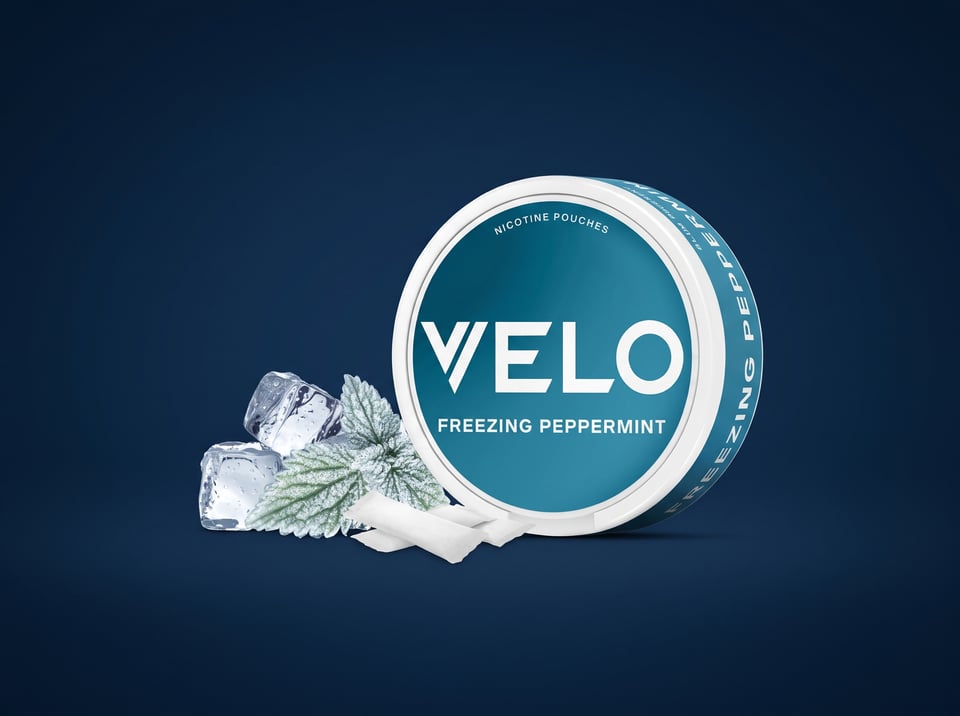
Snus vs Nicotine Pouches: The Complete UK Comparison
Snus vs nicotine pouches compared: ingredients, strength, cost, health risks, UK legality, travel and quitting. Find out which suits you.
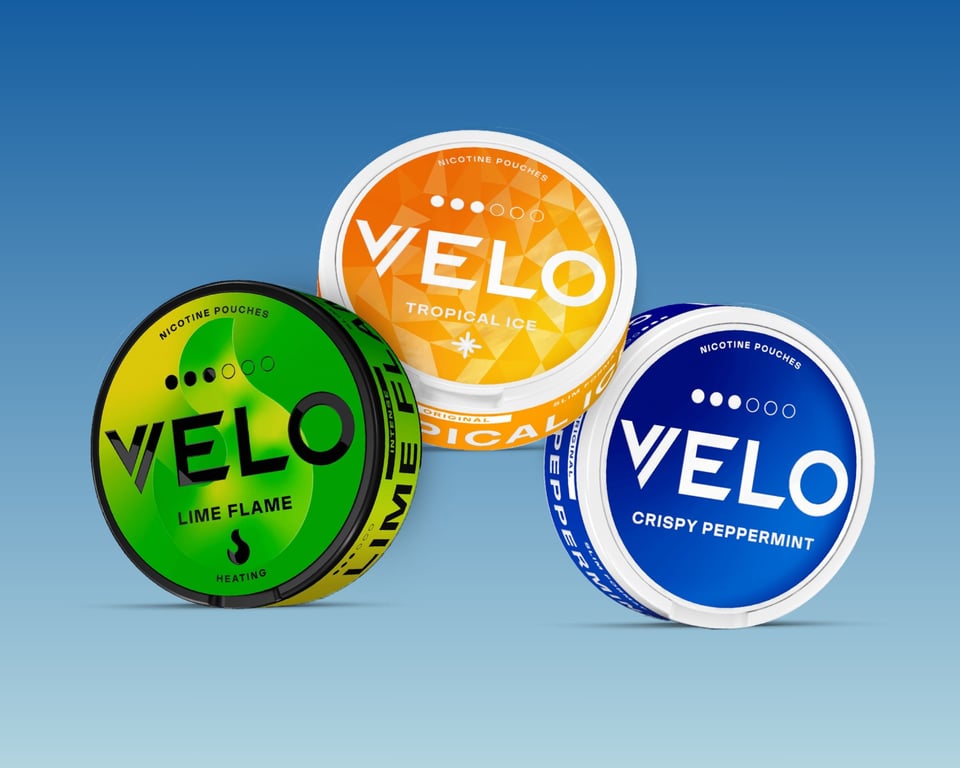
How To Choose The Right Nicotine Pouch Strength
This UK guide matches nic pouch mg to your smoking or vaping habit, covering Zyn, Velo, Nordic Spirit & more.
How To Use A Nicotine Pouch
Learn how to use a nicotine pouch correctly, covering placement, duration, daily limits, troubleshooting, disposal and UK travel rules.