UK Vaping Laws, Safety & Compliance: The Complete 2026 Guide

Vaping is legal in the UK, for adults, using the right products. The trouble is the rules do not sit in one place. They are spread across the 2016 product regulations, a brand new Act, a disposable ban and a tax, and some of them are still being written.
This is our guide based on the legislation, not legal advice. This guide will explain what is legal in the UK, what makes a vape compliant, where you can and cannot use one, how to stay on the right side of the law and stay safe, and exactly which countries will take your kit off you at the airport
Is vaping legal in the UK? The short version
Yes. Vaping is legal in the UK for adults aged 18 and over, as long as you are using compliant products. The rules are spread across three key things: the Tobacco and Related Products Regulations 2016 (TRPR), the Tobacco and Vapes Act 2026, and the single-use disposable ban that landed in June 2025.
Legal:
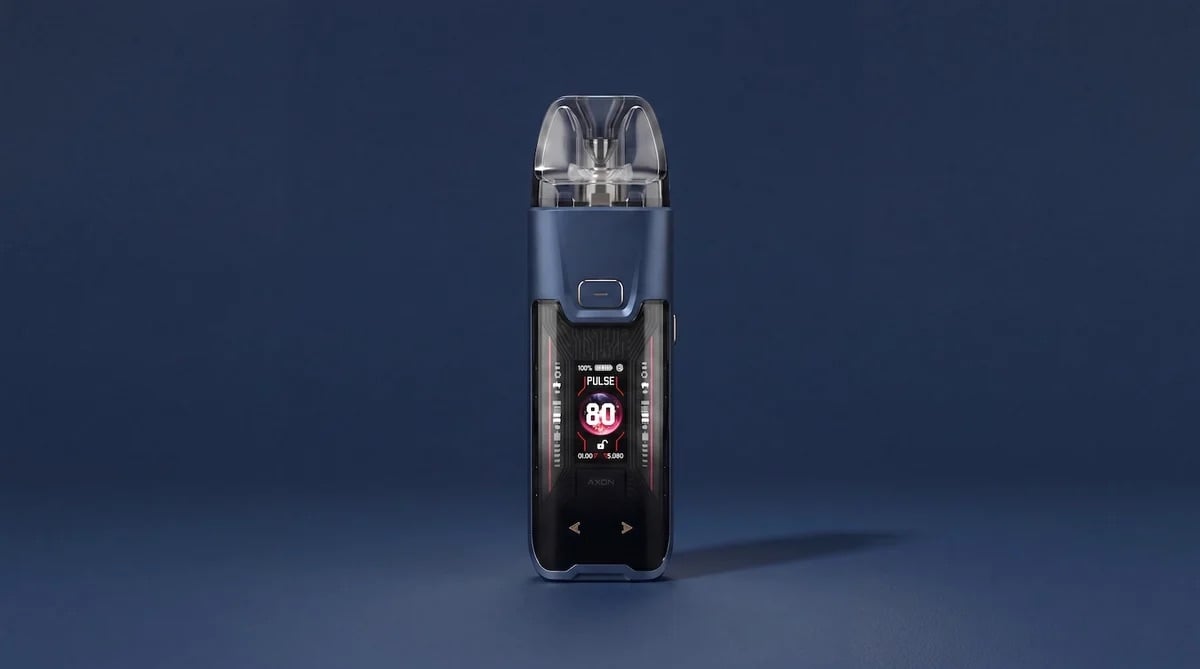
- Refillable pod kits, vape kits and mods
- Prefilled pod kits with swappable pods
- Compliant e-liquid up to 20mg/ml nicotine, in bottles up to 10ml
- Shortfills and longfills (nicotine-free base liquid), bought with or without separate nic shots
Not legal:
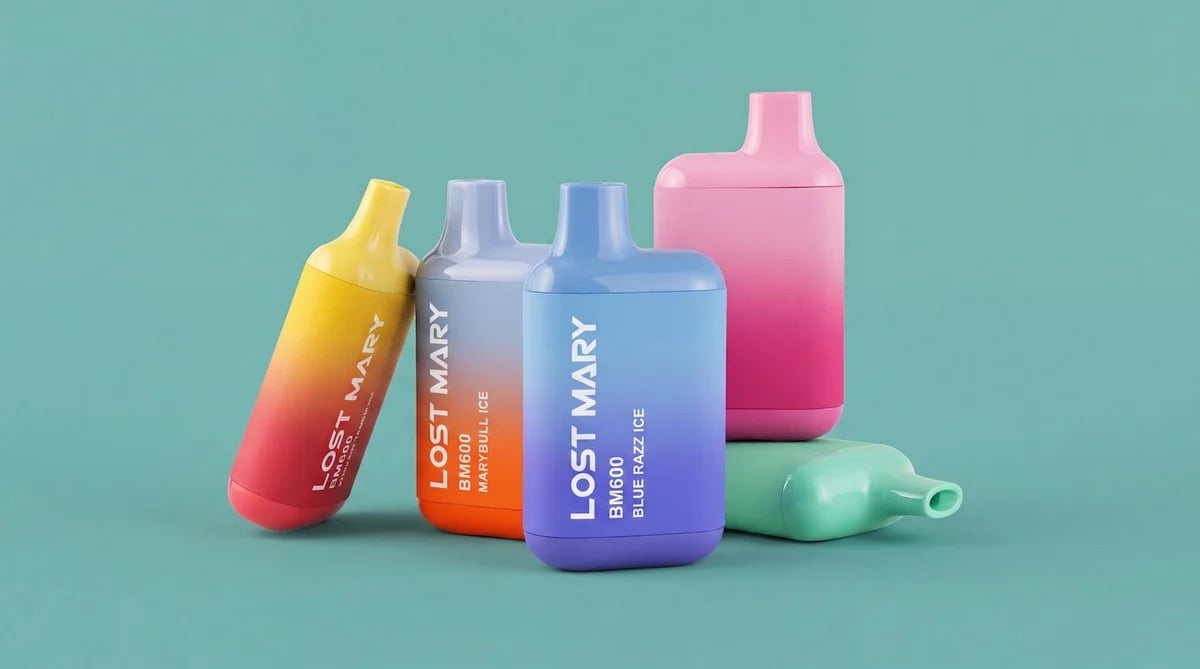
- Single-use disposable vapes (banned since 1 June 2025)
- Any sale to under-18s
- Oversized tanks (over 2ml), oversized bottles (over 10ml), or strengths above 20mg/ml
- Products that were never notified to the regulator
- Vape liquid which contains controlled substances such as THC
E-liquid will also carry a new duty from October 2026. Which is a tax change - we cover it in full in our Vape Tax guide. Everything else is below.
The UK legal framework: TRPR, the MHRA and Trading Standards
The backbone of UK vape law is the Tobacco and Related Products Regulations 2016, the UK's version of the EU Tobacco Products Directive (TPD)... Brexit. It governs what a legal vape product actually is. Every compliant e-liquid and device on sale here meets these limits:
- Nicotine strength capped at 20mg/ml in nicotine-containing e-liquid
- Nicotine bottles capped at 10ml (this is why your nic salts come in 10ml bottles)
- Tanks and pods capped at 2ml capacity
- Notified to the MHRA before it can be sold, with full ingredient disclosure
- Child-resistant and tamper-evident packaging, plus the required health warnings
- Restricted ingredients, with certain additives banned outright
What each of those limits means for your specific juice and your specific kit, why salts come in small bottles, why shortfills are sold nicotine-free, how to pick a strength, is covered properly on our E-Liquid guide and Devices guide. This section is about the law itself.
Two bodies enforce it. The MHRA (Medicines and Healthcare products Regulatory Agency) is the regulator: it runs the product notification system, sets the standards, and operates the Yellow Card scheme for reporting problems. Trading Standards handles enforcement, in shops and online, with the power to issue fines and pull non-compliant stock. Online sellers are required to run age verification at checkout. None of this is optional, and a retailer who ignores it is breaking the law, not bending a guideline.
Age of sale and the rules on buying vapes
You must be 18 or over to buy a vape in the UK, in a shop or online. There is no younger age and no loophole.
A few points people get wrong:
- The age limit applies to nicotine-free (0mg) vapes too. The rule is not waived because a product has no nicotine in it. Under-18s cannot buy any vape product.
- Online means age-verified. A reputable site has to confirm your age before it sells to you.
- Proxy purchasing is illegal. An adult buying a vape on behalf of an under-18 is committing an offence, exactly as with alcohol or tobacco.
There are bigger changes coming to retailers soon too. The Tobacco and Vapes Act 2026 introduces a retail licensing scheme, which will require a personal licence for the seller and a premises licence for the shop or website. Trading Standards will also be able to issue on-the-spot fines for underage sales once those provisions commence. No start date has been set for licensing yet.
You may also have heard about the generational tobacco ban in the same Act. It is worth knowing about, but it is a tobacco measure, not a vape one. Nobody born on or after 1 January 2009 will ever be legally sold cigarettes, herbal smoking products or cigarette papers. It does not ban vapes or change the vape age limit in the UK, which stays at 18.
The Tobacco and Vapes Act 2026: what is changing
The Tobacco and Vapes Act 2026 received Royal Assent on 29 April 2026. It is now law, but most of it is not in force yet. A lot of it is a set of powers waiting on secondary legislation that has not been written.
Here is a breakdown:
Already in force or settled:
- The disposable ban. Single-use disposables have been banned since 1 June 2025.
- The generational tobacco ban. Nobody born on or after 1 January 2009 can ever be sold tobacco. Retailers are expected to comply and display the required signage from around 1 January 2027. Again, this is tobacco, not vapes.
Dated and coming:
- A ban on free vape samples is due to come into force on 29 October 2026.
- A ban on vape advertising and sponsorship is not in force yet but is expected to commence on 1 June 2027, brought in by regulations. Mirroring the existing tobacco advertising rules.
Powers with no date yet (watch this space):
- Packaging, branding and in-store display restrictions, aimed especially at anything designed to appeal to children.
- Restrictions on flavour names and descriptions. This targets child-appealing names that mimic sweets, cereals and soft drinks. It is not a blanket ban on fruit or dessert e-liquids, and any change would need consultation and secondary legislation first.
- Vape-free places. A government consultation on extending smoke-free rules to certain outdoor settings ran from 13 February to 8 May 2026. It has closed, and a government response is pending. Nothing from it is in force.
As of June 2026: flavours are still legal, the vape-free consultation has closed with a response awaited, and there is no commencement date for licensing. The tax element of the Act is handled separately, in our Vape Tax guide.
The thing to take away: when you read that something has been "banned" under the new Act, check whether it is in force or just a power on the books. We will keep this guide updated as things change.
Where can you (and can't you) vape in the UK?
This is the question we get asked A LOT, and the answer surprises people. There is no national law banning vaping in enclosed public places. The smoke-free law everyone, the Health Act 2006, covers tobacco smoke, not vapour. So whether you can vape indoors comes down to the venue, the employer or the operator, and the majority say no.
Public transport. Vaping is banned across the board, by policy rather than criminal law:
- Buses, trains, and covered station platforms
- The London Underground, trains and stations
- Most taxis and private-hire cars (Ubers included)
- Indoor areas on ferries
Breach these and you are looking at a fine or being refused service, not a criminal record.
Flights. You cannot vape or charge a vape on any commercial flight. Your device and spare batteries have to travel in carry-on, never the hold. More on the airport side of this in the travel section below.
Pubs, restaurants, shops, workplaces, hospitals and shopping centres. Almost all ban indoor vaping. It varies by operator, so follow the signage and, if in doubt, step outside.
Driving. Vaping at the wheel is not itself illegal. But if your vapour clouds the windscreen and obscures your view, you can be done for careless driving, so vape sensibly & crack a window. Note that the 2015 law banning smoking in cars carrying under-18s covers tobacco, not vaping. You are not breaking that law by vaping, though we would still always keep it out of the car with kids in it, come on that's common sense.
The vape-free places consultation. The government has proposed extending smoke-free rules to certain outdoor settings; schools, playgrounds and the areas immediately outside hospitals and education sites. Pub gardens and open public spaces were specifically excluded from the proposals. The consultation closed in May 2026 and a response is pending, so this could change.
One last thing, and it is not a law: courtesy keeps vaping accepted. Do not vape in someone's face, in a queue, or in an enclosed space full of people who would rather you did not. The fewer complaints, the fewer bans for all of us.
How to spot an illegal or non-compliant vape
Since the disposable ban and the tax, the dodgy end of the market has got busier, and a lot of non-compliant kit is still floating about. Knowing the tells protects you, because untested product is a genuine safety risk, and it is illegal to sell.
A vape is not legal for UK sale if it has any of these:
- A tank or pod over 2ml
- An e-liquid bottle over 10ml (for nicotine-containing liquid)
- A nicotine strength above 20mg/ml
- No MHRA notification, you can check the published list
- Missing, wrong or foreign-language health warnings
- Packaging that is not child-resistant or tamper-evident
- A "single-use" disposable, often dressed up with enormous puff-count claims. These have been banned since June 2025, so anything sold as genuinely single-use is illegal by definition. How to stay clear of it: buy from reputable, compliant retailers, and look for the warnings and the notification. If a deal looks too cheap and the bottle is the size of a can of pop, walk away.
Vaping safely and reporting faulty products
We will not re-teach the full safety detail here, because it lives on the relevant guides and there is no sense repeating it. Quick reference, with the links.
Batteries. Use the right charger, do not carry loose cells rattling around with your keys, and bin damaged or swollen batteries properly. The full battery-safety routine, married pairs, wraps, cases, charging, is on our Devices guide. E-liquid. Store it sealed, upright, out of reach of children and pets, and treat nicotine with respect. The complete handling and storage guidance is on our E-Liquid guide. Damaged or illegal kit. Do not use it. See the section above on spotting non-compliant product. Faulty products and recalls. If a product is faulty, stop using it. If it is recalled, follow the recall instructions, which usually means stop using it and return it. You can report a safety problem with a vape to the MHRA via the Yellow Card scheme, and a non-compliant or unsafe product toTrading Standards. A recall means the regulator or manufacturer has identified a fault serious enough to pull the product, so it is worth acting on rather than ignoring.
Disposing of vapes and e-liquid the legal way
Vapes are not general rubbish, and chucking them in the bin is both bad form and the wrong move legally.
- Vapes are electrical waste (WEEE). They must not go in your household bin. They contain a circuit board and a battery, which is electronics.
- Batteries are hazardous waste. Lithium cells in particular cause fires in bin lorries and at recycling plants. Never put them in general rubbish - this was one of the main reasons for the disposable ban.
Where to take them:
- Supermarket battery points, usually bins near the entrance.
- Household recycling centres, which take both electricals and batteries.
For empty e-liquid bottles, rinse them out, recycle the plastic with your normal recycling, and dispose of any residual liquid sensibly rather than tipping it down the sink in quantity.
Taking your vape abroad
Before we get to which countries will not let you in with a vape, here are the universal flight rules.
Can you take a vape on a plane? From UK airports, yes, but only if you pack it correctly.
- Carry-on only. Your vape and any spare lithium battery go in your hand luggage. Never put them in the hold. This is a worldwide airline safety rule, because of the fire risk from batteries in the cargo bay.
- No using or charging on board. You cannot vape on a flight, and you cannot charge the device from the seat USB either.
- Spare cells in a case. Loose 18650s or 21700s should travel in a battery case with the terminals covered, so they cannot short against your keys or coins.
- E-liquid follows the 100ml liquids rule. Each bottle through security must be 100ml or less, in your clear liquids bag. Larger bottles can go in the hold, but the device and batteries always stay in carry-on.
- Cabin pressure makes tanks leak. This one is from experience: vape your tank down or empty it a little before you fly, and store the device upright. A full tank at altitude will weep liquid everywhere.
And the caveat that leads into the next section: airport security letting you through does not mean the country at the other end will. Customs can seize your kit regardless of what the airline allowed. So before you fly, check the rules for where you are going.
Vaping laws by country: where it is banned and restricted
The countries where vaping is banned are not always the ones you would expect, and the penalties range from a shrug and a confiscated kit to large fines.
The golden rule: check the UK government's foreign travel advice on gov.uk for your specific destination before you fly. Enforcement varies wildly, the rules change fast, and the fact that smoking is allowed somewhere does not mean vaping is. In several countries it is the opposite. This table is a guide to point you in the right direction, not legal advice, so always verify against official sources before travelling.
| Country / region | Status | What it means for a UK traveller |
|---|---|---|
| India | Banned | Full ban since 2019. Leave it at home. |
| Thailand | Banned | Import, sale and possession are all illegal. Police do search tourists, and penalties run to heavy fines and possible imprisonment. Do not take one. |
| Singapore | Banned | Illegal to bring in, use or own. Expect airport X-ray screening and seizure, with fines that run into the thousands (around S$2,000 for a first offence). |
| Hong Kong | Banned (public possession) | From 30 April 2026, having a vape in any public place is a criminal offence. Small amounts carry a HK$3,000 fixed penalty; carry more than around five pods or 5ml and it rises to up to HK$50,000 and six months in jail. There is no legal way to buy one there. |
| Mexico | Banned | A constitutional-level ban, actively enforced from January 2026. Customs check luggage and can confiscate your device and fine you, and public use is prohibited. Leave it at home. |
| Brazil, Argentina, Qatar, Cambodia, Nepal, Turkey, Maldives and others | Banned | Sale, import and possession prohibited. Leave the vape at home. |
| Australia | Restricted | Pharmacy-only model. Travellers may bring a small personal supply in carry-on, commonly up to 2 devices, 20 pods or accessories and 200ml of liquid, for personal use. Without meeting those conditions, expect seizure. |
| Japan | Restricted | Sale of nicotine e-liquid is banned (it is regulated as a medicine), but a limited personal import for your own use is allowed. |
| New Zealand, Canada | Legal, with rules | Legal, but with their own disposable, flavour or tax rules to be aware of. |
| EU (Spain, France, Germany, Greece, etc.) | Legal, TPD baseline | The same 20mg/10ml/2ml limits as the UK, plus national add-ons. Several states ban disposables or restrict flavours, and Ireland has added a tax on e-liquid. |
| USA | Legal, varies by state | State-by-state rules under the FDA's framework. What is fine in one state may not be in the next. |
- The three you must never chance are Thailand, Singapore and Hong Kong. These are not "pay a small fine and move on" countries. Thailand searches tourists and prosecutes. Singapore screens bags at the airport. Hong Kong's new rules mean a single disposable in your pocket can tip you over the criminal threshold. To all three, travel without a vape, simple as that.
- Australia is the one people misread. Yes, adults can now buy lower-strength vapes from a pharmacy without a prescription, but "no prescription needed" does not mean "no rules." It is still a tightly controlled, pharmacy-only system with aggressive border enforcement. If you are bringing your own, stick to the carry-on personal-supply limits, keep it for your own use, and carry documentation if you can.
To be clear once more, this is general information, not legal advice. Laws and enforcement change, and the only source that is truly current for your trip is the destination's own government and the UK's foreign travel advice on gov.uk. Check it before you fly.
Staying compliant: the quick checklist
Boiled down, UK vape law:
- Buy compliant products from reputable sellers. 20mg/ml max, 10ml bottles, 2ml tanks, MHRA-notified, properly warned and packaged.
- 18 and over only. No exceptions, including for nicotine-free vapes.
- Respect venue and transport policies. No national indoor ban, but most places say no, and transport means a fine if you ignore it.
- Dispose of kit and batteries properly. Electricals and batteries go to take-back points or recycling centres, never the household bin.
- Always check destination law before travelling. Some countries will confiscate your kit or worse. Verify on Gov UK before every trip.
Now that single-use disposables are gone, a refillable pod kit is the legal, sensible route, and it works out better value than a drawer full of prefilled big puffs ever did. If you want to sort that out, read our device guide and e-liquid guide to get started.
Last reviewed 16 June 2026. UK vaping law is changing quickly, so we re-check this guide regularly. This page is general information, not legal advice.
Frequently Asked Questions
On their property, yes. There is no law banning indoor vaping, but a landlord can write a no-vaping clause into a tenancy and an employer can ban it under workplace policy, and breaking either can cost you, whether that is a deposit deduction or disciplinary action. It is a contract and policy matter, not a criminal one.
For your own device and the e-liquid you are using, no, you just carry the vape in your hand luggage. Bringing back larger quantities of liquid is fine for genuine personal use, but commercial-looking amounts can be questioned, so use the red channel if you are unsure.
Within the UK you can, but it is restricted. Lithium batteries are classed as dangerous goods, so they have to be declared and packaged correctly, and some couriers may refuse them outright.
Not in the same way. Pouches contain no tobacco and are not vapes, so the TPD product rules do not apply to them the way they do to e-liquid, though it is still 18+ to buy them and the Tobacco and Vapes Act brings in powers to regulate them.
Almost certainly not for you. Restrictions of this kind target what shops can sell and how it is named, not what you already own and use, and any change would come with notice and a transition period. You would not be expected to bin your stash.
About the author

Guides in this topic
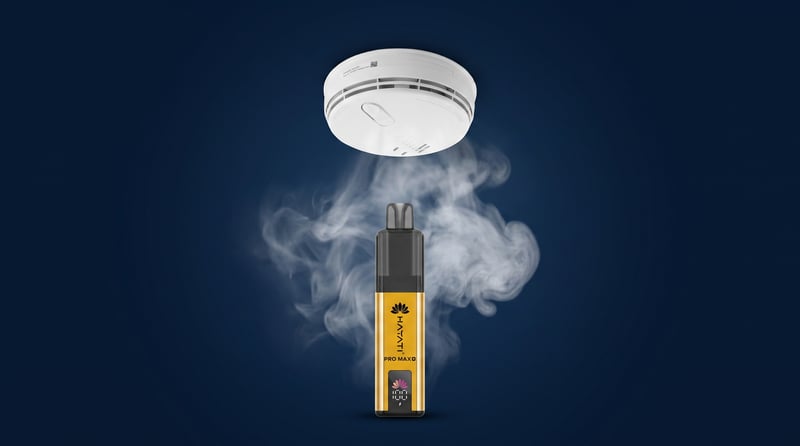
Does Vaping Set Off Smoke Alarms?
Does vaping set off smoke alarms in UK homes and hotels? Learn which alarm types react to vapour, tenant rules, and how to vape without triggering one.
How To Recycle Vapes in the UK: Where, How & For Money
Discover how to recycle vapes in the UK via retailer takeback, battery bins, recycling centres, mail-in schemes, or ways to recycle for money.