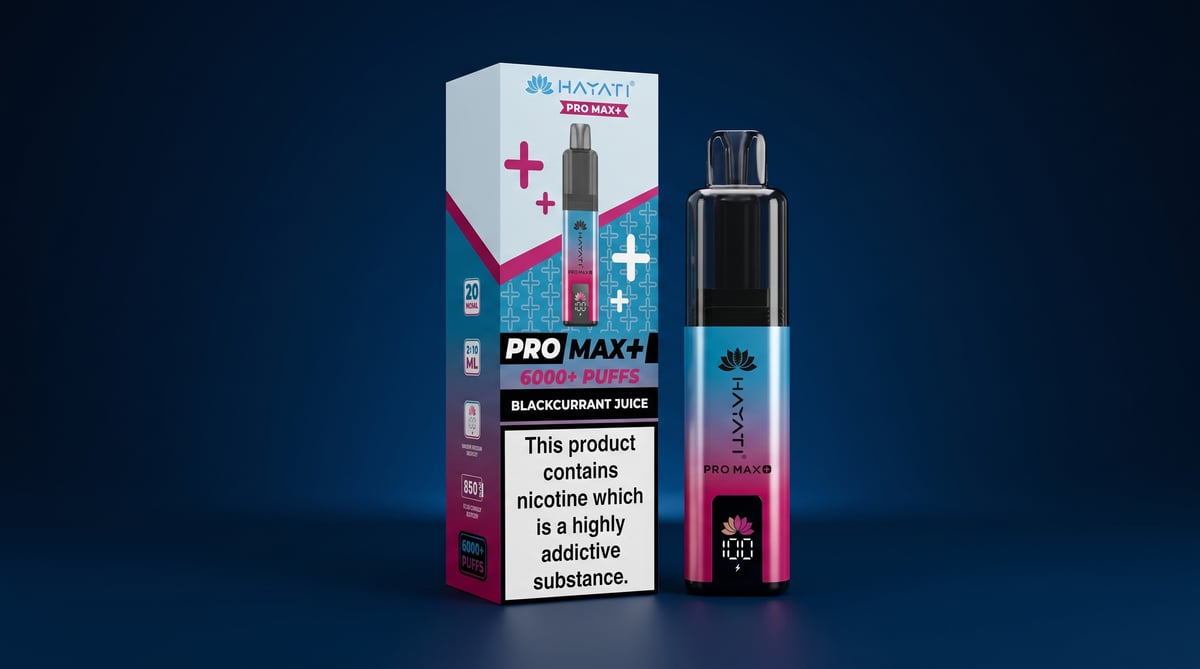
How To Recycle Vapes in the UK: Where, How & For Money

Every vape counts as electrical waste, so knowing how to recycle vapes properly means never binning them and instead using a takeback point, supermarket battery bin or recycling centre, all free and covered here. We walk through exactly where to drop off disposables, pod kits and mods, plus the step-by-step for stripping down rechargeables safely. You'll also find how to avoid the lithium fire risk that makes proper disposal non-negotiable, and where to find rewards or free-vape recycling schemes.
Can You Recycle Vapes?
Yes, and it is not optional. Every vape you own is classed as electrical waste, which means it has to be recycled properly and never dropped in a bin. E-cigarettes and vapes fall under WEEE rules (Waste Electrical and Electronic Equipment), the same category as phones, kettles and old chargers.
That covers everything from a spent disposable to a dead pod kit and worn-out coils. If it has a battery or plugs in, it is electricals.
Vapes are electricals, not general waste
Household bins and kerbside recycling boxes are not valid drop-off points for vapes. Under WEEE rules, they need to go to a proper collection point, which we cover in full in the next section.
The quick version:
- Not the general waste bin. WEEE cannot legally go to landfill this way.
- Not the kerbside recycling. Your standard mixed-recycling collection is not set up to handle lithium batteries.
- Yes to a WEEE collection point. Retailer take-back schemes, battery boxes in supermarkets and local recycling centres all accept them.
"Can you recycle vapes?" is comfortably the most-asked question we see on this topic, and the answer is a firm yes with a firm caveat: only through the right channel.
The lithium battery fire risk
The battery is the whole reason this matters. Every vape contains a lithium cell, and lithium reacts badly to being crushed. When a vape goes into a general bin, it eventually ends up compacted in a bin lorry or a waste plant, and a punctured lithium battery can catch fire. GOV.UK flags exactly this risk, and fires in refuse trucks and sorting facilities are a genuine, recurring problem across the UK.
So, can you recycle vapes with batteries? Simple answer: yes, and the battery is precisely why you have to. Recycling routes are built to handle the cell safely; a bin lorry is not.
If your device is damaged or leaking, handle it with extra care and have a look at our dedicated steps further down this guide. For the wider rules around vaping products and how they are regulated in the UK, our UK Vaping Laws, Safety & Compliance hub covers the detail.
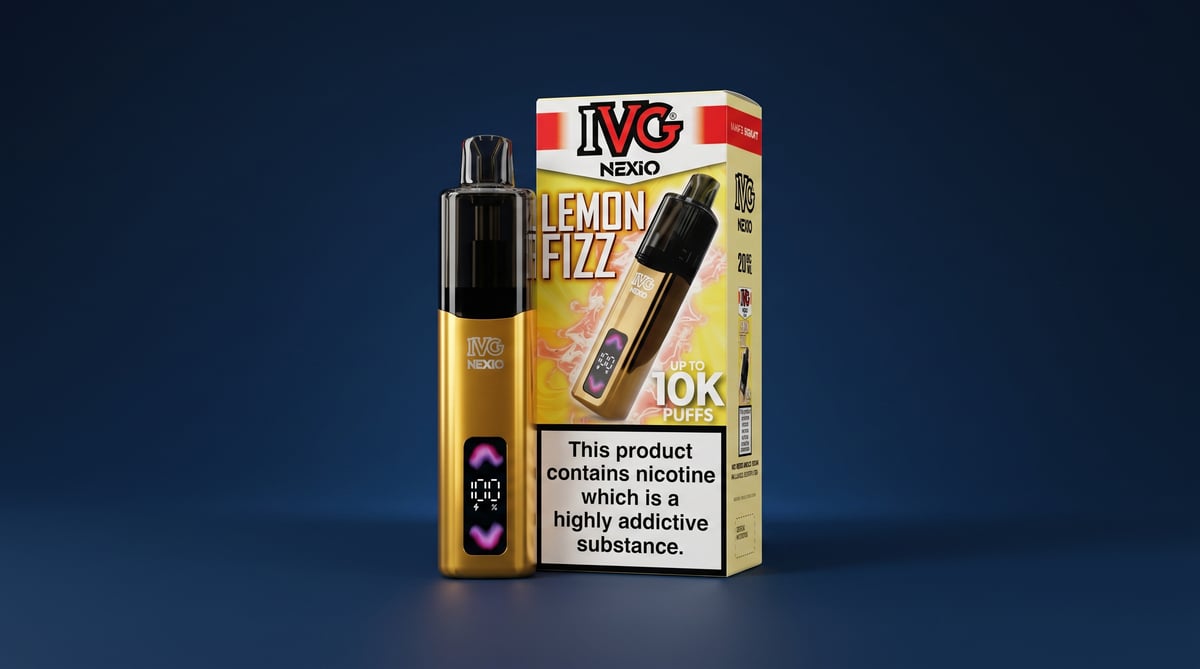
Where To Recycle Vapes in the UK
Free retailer takeback in vape shops & supermarkets
Under WEEE takeback rules, larger retailers selling electronic products must accept old electricals back for recycling free of charge. For vapes that means you can hand over a dead device whether or not you are buying a replacement.
- Most vape shops keep an in-store collection bin for old devices and empty pods
- Larger supermarkets that sell vapes are covered by the same takeback obligation
- No purchase required, and no charge to drop off
Empty the tank or pod first where you can. If it is a disposable that will not come apart, it still goes in the vape or battery bin, never general waste.
Battery and small electricals bins
Because vapes contain a lithium battery, they belong with small electricals, not in your kerbside recycling. Supermarket entrances are the easiest spot to find these bins, sitting alongside the household battery collection point.
- Look for the battery recycling box near the front of larger supermarkets
- Many now have dedicated vape bins next to the battery collection
- Free to use, no receipt or account needed
Household waste recycling centres (HWRC)
Your local tip takes vapes at the small electricals or battery point. It is a solid option for a bigger clear-out, say a drawer of old kit, when a small in-store bin will not cut it.
- Head for the WEEE or small electricals area, not the general skip
- Some sites have a separate battery cage, so ask staff if unsure
- Free of charge
To pin down your nearest option, the Recycle Your Electricals postcode locator lists drop-off points near you, from shops to centres. It is the fastest way to answer "where can I recycle vapes near me" without guessing.
Mail-in and manufacturer schemes
Some brands and specialist services run mail-in recycling, where you post a batch of old devices in a prepaid envelope. Handy if you are housebound or nowhere near a takeback point, though you will usually need to collect a few devices to make it worthwhile.
- Best for people without easy access to a shop or tip
- Usually free, with a prepaid label from the scheme
- Check what the scheme accepts before posting, as some cover disposables only
How To Recycle Vapes
Never force-open, snap or crush a disposable to get at the battery. Those lithium cells catch fire when they are punctured or damaged, so the whole point of recycling a vape is that it goes to a takeback point intact. Beyond that, the process changes a little depending on what you are holding. Here is how we do it for each type of device.
Disposable / single-use bar Drop it off whole. Do not disassemble it. Take it as-is to a shop takeback bin or a battery recycling point.
Refillable pod kit Separate the empty pod from the battery. Rinse the pod, recycle the pod plastic where accepted, and put the battery unit through electricals recycling.
Mod + tank Empty the tank, unscrew and remove the used coil, then recycle the battery separately at a battery or electricals point.
:::
Disposables and single-use bars
Take the whole device to a takeback point and leave the disassembly to the people equipped for it.
- Do not try to prise it apart. The battery is glued and wired in, and a puncture is a genuine fire risk.
- Drop it in a designated vape or battery recycling bin, not your general or kerbside bin.
- Most retailers that sell vapes are obliged to take back an equivalent device for recycling, so your local shop is usually the easiest option.
Refillable pods and pod kits
Refillables are built to come apart in the right places, which makes them the tidiest to recycle.
- Vape the pod down or empty any remaining e-liquid.
- Pull the pod off the battery. On most kits it is a magnetic or push fit.
- Rinse the empty pod under the tap and let it dry. Clear PET or HDPE plastic can often go in kerbside recycling, though check your council's rules on the smaller components and any caps.
- Take the battery section to an electricals or battery recycling point. It should not go in with the plastics.
If you are not sure which part of your kit holds the battery, our Vape Devices Explained: Coils, Tanks, Batteries & Pod Kits guide breaks down exactly what sits where.
Rechargeable devices, tanks and coils
Mods and sub-ohm tanks give you the most to separate, and each part goes to a different stream.
- Empty the tank. Drain any leftover e-liquid before you do anything else, and rinse the tank glass and base.
- Remove the used coil. Unscrew it and set it aside. Coils are mostly metal and mesh, so they go with your small metal or electricals recycling rather than kerbside plastics.
- Recycle the battery separately. Whether it is a built-in cell or a removable 18650, the battery must go to a battery collection box, not general waste. Never bin loose batteries.
- Rinse empty e-liquid bottles. Give shortfill and salt bottles a quick rinse; the clear PET plastic usually goes kerbside, with caps checked against your local list.
Working out when a coil is actually spent saves you binning good ones. Our guide on How Long Do Vape Coils Last? covers the tell-tale signs.
One last thing on storage. If you are collecting a few devices before a drop-off, keep them somewhere cool and dry. Never leave vapes sitting in a hot car, where heat can stress a lithium battery. A drawer or a box by the door does the job nicely.
How To Recycle Vapes For Money or Free Vapes
Recycling your old devices does not have to leave you empty-handed. A handful of manufacturers and retailers now reward you for handing back used kit, and it is a corner of vape recycling that almost nobody covers properly. Here is what is actually out there and how to use it without getting caught out.
Manufacturer reward schemes
Some manufacturers run take-back programmes that give you something in return for posting back used devices. Schemes like these can offer points, credit or product in exchange for returned kit, though availability and eligibility change often.
The catch is that these offers change often. Terms, eligibility and what you get back are all moving targets, so check the current details on the manufacturer's own site before you send anything off. What was running last quarter may have closed or shifted this quarter.
- Confirm the scheme is live and open to UK addresses
- Read exactly which devices qualify before you post
- Note whether you get money, credit, points or product
Retailer loyalty and free-vape returns
Plenty of shops now tie recycling into their loyalty setup. The most common formats are:
- Recycle for a free vape: bring back a set number of used devices, get a new one
- Loyalty points on returns: each device dropped off adds points to your account
- In-store return bins with a reward: hand over old kit at the counter, get credit toward your next order
These promotions come and go, and the thresholds vary. Some want a specific number of devices, others accept any brand. If you are already buying from a retailer regularly, it is worth asking at the counter or checking their recycling page, because you may be binning devices that were worth points.
What to watch out for
Before you post any device to a scheme, make sure it is legitimate and UK-based. A few sensible checks:
- Verify the company: a real address, a working returns process and clear terms are the basics
- Be wary of anything asking for payment or personal detail up front to "process" a return
- Prefer schemes tied to a known manufacturer or retailer over unfamiliar third parties
- Handle the devices safely: batteries inside vapes are still live, so never post a damaged or leaking unit
If a "recycle vapes for money" offer looks too good to be true or the company behind it is hard to pin down, walk away. A free device or a few loyalty points is not worth handing your details or your money to an outfit you cannot verify.
What Happens To Vapes After Recycling
A vape is a small box of genuinely useful materials, which is exactly why binning one is such a waste. Once it reaches a proper Waste Electrical and Electronic Equipment (WEEE) facility, it gets broken down into raw components that go back into new products rather than sitting in landfill.
Materials recovered: lithium, copper, plastic, steel
There is more inside a disposable than most people realise. Pull one apart and you are looking at:
- Lithium and cobalt from the battery cell, both in short supply and worth recovering
- Copper wiring from the coil and connections
- Steel from the casing and internal contacts
- Plastics from the shell, mouthpiece and pod housing
That mix of valuable metals and recyclable plastic is precisely what the recycling stream is set up to reclaim. Lithium in particular is a finite resource, and recovering it from spent devices means less has to be mined from scratch.
The recycling process explained
Under the UK's WEEE rules, vapes are handled as electrical waste, not general rubbish. The process runs roughly like this:
- Collection. Devices come in through in-store takeback points, battery recycling boxes and household recycling centres.
- Battery separation. The lithium cells are removed and sent to specialist facilities. This is the critical step, because loose batteries in general waste are a genuine fire risk in bin lorries and sorting plants.
- Sorting. The remaining metals and plastics are separated by type, ready to be processed back into usable material.
- Reprocessing. Copper, steel and plastics are cleaned and fed back into manufacturing supply chains.
The batteries themselves go to dedicated processors that can safely extract the lithium and other metals, rather than being shredded with everything else. It is why every guide, including ours, keeps hammering the same point: the battery is the reason a vape can never go in the household bin.
So when you drop a used device into a takeback bin, it does not vanish into a hole in the ground. The metals get another life, the plastics get sorted, and the lithium goes back into the loop.
The Ban on Disposables & Switching To Reusable
Single-use disposable vapes have been illegal to sell in the UK since 1 June 2025. GOV.UK confirms the ban covers any vape that cannot be both refilled and recharged, which rules out the classic bar-style disposable entirely. If you are still running down a stockpile, that is fine, but you cannot buy them new from a legitimate UK retailer any more.
Most recycling guides stop at the bin. The bigger win sits one step earlier: what you switch to next. We have seen more switchers move from big-puff disposables to refillable pods since the ban took effect, and the transition is smoother than most people expect.
The UK single-use vape ban (June 2025)
- Effective date: 1 June 2025 (GOV.UK)
- What it covers: any vape that is not both rechargeable and refillable
- What replaces it: refillable pod kits and pre-filled pod systems you top up or swap
- What to do with old ones: recycle them, do not stockpile leaking devices in a drawer
The ban was driven largely by waste. A disposable is a lithium battery, a plastic shell and a coil, all designed to be thrown away after a few hundred puffs. Multiply that by daily use and the numbers add up fast.
Why reusable vapes create far less waste
A refillable pod kit is one battery you charge over and over, with pods and coils that last weeks. Compare that to a disposable a day and the difference is stark.
- Battery waste: one rechargeable cell versus a fresh lithium battery in the bin every day or two
- Plastic waste: one durable device versus a new plastic shell each time
- Cost over time: a refillable kit plus 10ml salts works out far cheaper than daily disposables over time
We run refillable pod kits day to day ourselves, and the waste difference is obvious: one battery and a handful of pods lasts weeks, instead of a fresh disposable and its battery every day or two. That's the practical case for switching, less in the bin, less to recycle in the first place.
If you are making the move, we have walked through the whole process in How To Switch From Disposables To Reusable Vapes, and if you are starting from scratch, How To Choose Your First Vape Kit covers what to look for before you buy.
How To Handle Damaged or Leaking Vapes Safely
A damaged vape is not the same as a dead one. A device that is swollen, hot or leaking needs handling carefully before it goes anywhere near a recycling bin. Most guides skip this entirely, so here is exactly what to do.
Signs of a swollen or damaged battery
Lithium batteries fail in ways you can usually spot before anything goes wrong. Stop using the device and set it aside if you notice any of these:
- Swelling - the casing bulges, the pod does not sit flush, or the device feels puffed up
- Heat - it gets hot to the touch when idle, not just during a long draw
- Hissing or a chemical smell - a clear warning sign, act immediately
- Leaking or discolouration around the battery - not the same as a leaking tank
A swollen, hissing or hot battery is a genuine fire risk. Move it away from anything flammable straight away, curtains, bedding, paper, and ideally onto a hard non-combustible surface like a tiled floor or a metal tray. Do not charge it, do not puncture it, and do not try to prise it apart to salvage parts. The sensible line is simple: an unstable lithium cell should be isolated, not fiddled with.
Safe storage and disposal
Never put a damaged lithium battery in a normal battery recycling bin. Standard collection boxes at supermarkets are fine for intact devices, but a compromised cell needs different handling. Contact your local recycling centre and ask for their damaged-battery guidance before you turn up, most have a separate process for it.
For a device that is leaking e-liquid rather than failing electrically:
- Wear gloves. Nicotine is absorbed through the skin, so avoid direct contact
- Wipe the spill with kitchen roll and bag it up
- Keep it away from eyes, skin and, above all, children and pets - concentrated e-liquid is toxic if swallowed
- Wash your hands thoroughly once you are done, gloves or not
Store a damaged device somewhere cool, dry and out of reach while you sort disposal, ideally in a fireproof container or a jar with the lid loose rather than sealed tight. A day or two is fine; do not leave it sitting in a drawer for months.
If you are unsure whether a device is safe to keep using at all, err on the side of caution and retire it. For more on the rules around devices and your responsibilities as an owner, have a look at our guide to UK Vaping Laws, Safety & Compliance.
Frequently Asked Questions
Yes, vapes count as electrical waste (WEEE) and must be recycled rather than binned. Take used devices, whether disposable or reusable, to a retailer takeback point, a battery bin or your local recycling centre. Most large vape shops, including ours, will happily take old kit off your hands for free.
The quickest way is to pop your postcode into the Recycle Your Electricals locator, which shows every nearby drop-off point. Larger vape shops, supermarkets and household waste recycling centres (HWRCs) all accept vapes free of charge. Many retailers also have a small bin by the till for exactly this purpose, so it's worth asking next time you're in.
Yes, disposable vapes should be taken whole to a WEEE takeback point rather than opened up. Never try to remove or crush the battery yourself, as damaged lithium cells are a genuine fire risk. For reusable devices designed with removable batteries, take these out and recycle them separately through a battery collection point.
Some manufacturer and retailer schemes do offer rewards, credit or free replacement vapes when you return old devices, though this varies by brand. Always check the current terms before sending anything off, and confirm the scheme is genuinely UK-based so your old kit is processed correctly. It's worth keeping an eye on retailer promotions, as these schemes come and go.
Take the whole device, battery and all, to an in-store takeback bin or your nearest recycling centre. Don't attempt to open the casing, crush the shell or bin it in general waste, as damaged lithium batteries can spark fires in bin lorries and waste facilities. If you're unsure where your nearest point is, most major vape retailers will take it in-store.
No, vapes should never go in your kerbside recycling or general waste bin. Household collection systems aren't equipped to handle lithium batteries safely, and they're a known cause of bin lorry and waste centre fires across the UK. Always route them through a dedicated WEEE or battery collection point instead.
Rinse out empty e-liquid bottles thoroughly and check your local council's kerbside rules, as most PET or HDPE bottles can go in with plastics recycling once clean. Some councils ask you to separate the cap, so it's worth a quick check on your local authority's website. If a bottle still has nicotine residue or won't rinse clean, dispose of it via an electrical or hazardous waste route instead.
About the author

Related guides
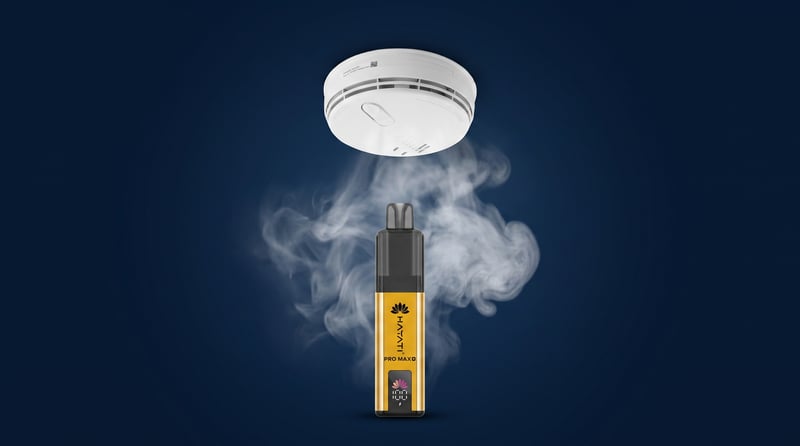
Does Vaping Set Off Smoke Alarms?
Does vaping set off smoke alarms in UK homes and hotels? Learn which alarm types react to vapour, tenant rules, and how to vape without triggering one.
Why Does My Vape Taste Burnt? Causes, Fixes & How to Prevent It
Why does my vape taste burnt? Learn the causes behind burnt hits on coils, pods and disposables, plus fast fixes and prevention tips.
Why Won't My Vape Fire? The Complete Troubleshooting Guide
Learn why won't my vape fire, from the fire lock and flat battery to dirty contacts, error codes and false alarms, plus when to recycle it.