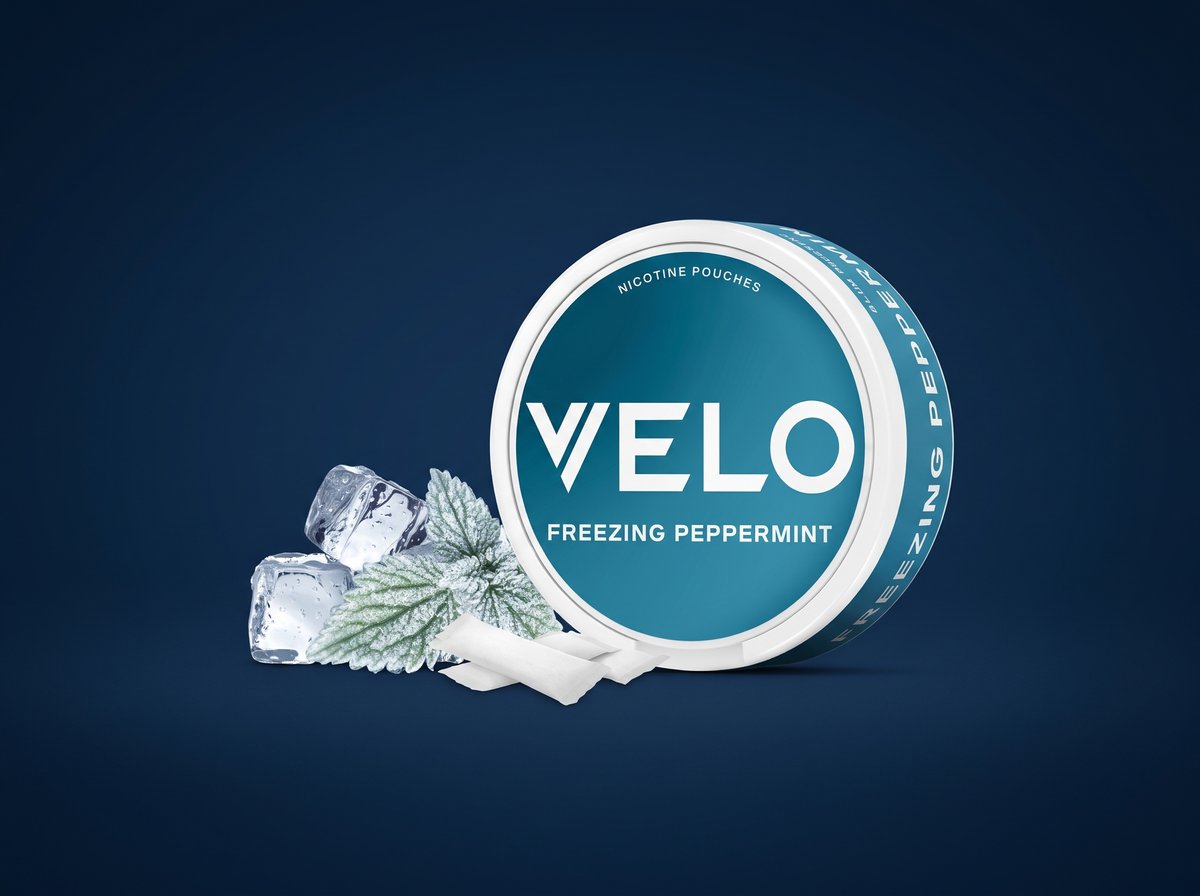
Snus vs Nicotine Pouches: The Complete UK Comparison
 Vape & E-Liquid Team
16 min read
Snus vs nicotine pouches boils down to one word: tobacco, which snus contains and UK-legal nicotine pouches do not, and that single distinction dictates legality, ingredients and even how the strength numbers work. This guide walks through what's actually inside each one, how mg-per-pouch and mg-per-gram compare, and what the current evidence says about health and safety. Read on for the full breakdown before you pick a strength or a tin.
Snus vs Nicotine Pouches: The Quick Answer
The short version: snus contains real tobacco and is banned from sale in the UK, while nicotine pouches are tobacco-free and legal to buy here. They look almost identical and sit in the same spot under your lip, which is exactly why the two get mixed up so often. Search terms like "snus nicotine pouches" show plenty of people using the names interchangeably, but legally and physically they are two different things.
What is snus?
Snus is a moist, ground tobacco product that originated in Sweden. It comes loose or in small portioned pouches, and you tuck it under your upper lip so the nicotine absorbs through the gum. The key point is the tobacco: snus is made from real ground tobacco leaf, which puts it squarely under tobacco product regulation. That is why you cannot buy it over the counter in the UK.
What is a nicotine pouch?
A nicotine pouch is tobacco-free. It uses a plant-fibre base (typically cellulose) infused with either synthetic or extracted nicotine, plus flavourings and sweeteners. You use it the same way, parked under the upper lip, but there is no tobacco leaf involved anywhere in it. Because of that, it sidesteps tobacco product rules and is legal to sell in the UK. If you want the full breakdown on strengths, flavours and how to use them, we have covered it in our Nicotine Pouches Explained: The Complete UK Guide.
The one difference that matters most
Tobacco. That single word decides everything else. Snus contains it; pouches do not. Because snus is a tobacco product, selling it is banned across the UK and EU, with Sweden the only exception. Tobacco-free nicotine pouches escape that ban and are freely available here. Everything else, the format, the placement, the discretion, is broadly the same.
Snus
- Tobacco content: Contains ground tobacco leaf
- UK legality: Banned from sale (Sweden exempt)
- Nicotine source: From the tobacco itself
- Format: Loose or portioned pouches, under the upper lip
- Discretion: Discreet, no vapour, but a tobacco product
Nicotine Pouch
- Tobacco content: Tobacco-free
- UK legality: Legal to buy and sell
- Nicotine source: Synthetic or extracted, on plant fibre
- Format: Portioned pouches, under the upper lip
- Discretion: Discreet, no vapour, no smell
Ingredients & How Each One Works
The core difference comes down to one thing: snus contains tobacco, nicotine pouches do not. Both sit under your top lip, both deliver nicotine without smoke or vapour, but what you are actually putting in your mouth is worlds apart.
What's inside snus
Snus is a moist, ground tobacco product that originated in Sweden. Strip it back and you get:
- Ground tobacco as the base, either loose or portioned into small teabag-style pouches
- Water to keep it moist
- Salt and pH adjusters (typically sodium carbonate) to help nicotine release
- Flavourings, from traditional bergamot and tobacco through to mint and fruit
Because it is genuine tobacco, snus carries tobacco-specific compounds that pouches do not. The moisture level is high, which changes how it feels and how quickly it works.
What's inside a nicotine pouch
A nicotine pouch is tobacco-free. Instead of tobacco leaf, the filler is a plant fibre that carries the nicotine and holds its shape under your lip. Inside you will typically find:
- Plant-based fibres such as eucalyptus or pine cellulose, acting as a neutral base
- Nicotine, either extracted or synthetic
- Flavourings, which is where mint, citrus, berry and coffee options come in
- Sweeteners to balance the flavour
- pH adjusters to control how the nicotine is released
That fibre base is the key distinction. There is no tobacco, no leaf, no tar. You get the nicotine and the flavour, nothing more.
How nicotine is released and absorbed
Here is how nicotine pouches work: you tuck the pouch between your gum and top lip, and the nicotine passes through the lining of your mouth straight into your bloodstream. This is called buccal absorption, and it means no smoke and no vapour is involved. Snus works the same way, just with tobacco doing the carrying.
Two things govern how fast and how long the nicotine comes through:
- Moisture. Wetter products release quicker. Snus, being moist, tends to kick in faster. Drier pouches release more slowly and steadily, which some people prefer for a longer, gentler experience.
- pH. A more alkaline pH makes more of the nicotine available for absorption, so the pH adjusters in both products are doing real work behind the scenes.
You will feel a tingle under the lip as it settles in, that is normal and it eases off after a minute or two. Most people leave a pouch in for anywhere from twenty minutes to an hour depending on the strength and how they like it.
For the practical side, from placement to how long to keep one in, our How To Use A Nicotine Pouch walkthrough covers it step by step.
Nicotine Strength & Delivery Compared
The single biggest difference between the two is how strength gets labelled. Nicotine pouches are marked in milligrams per pouch, so you know exactly what you are putting in your mouth. Snus is measured in milligrams per gram, which factors in the weight of the tobacco and makes a like-for-like comparison genuinely tricky.
Typical strengths side by side
Pouches run from mild through to extra-strong, and the mg-per-pouch number tells you the total nicotine load in that one pouch. Snus mg/g figures describe concentration, not the dose you actually get, because absorption depends on how much you use and how long you hold it. That is why you cannot simply read across from one number to the other.
Nicotine pouches (mg per pouch)
- Mild: roughly 2-4mg, a gentle start for newer users
- Regular: roughly 4-8mg, the everyday middle ground
- Strong: roughly 8-12mg, for experienced users
- Extra-strong: 12mg and up, seasoned users only
Snus (mg per gram)
- Low: around 8mg/g, entry level
- Regular: around 8-14mg/g, the common range
- Strong: 14-20mg/g, experienced users
- Extra-strong: 20mg/g and above, seasoned users only
Reading the numbers
mg per pouch is a fixed dose. mg per gram is a concentration, so a heavier portion at the same mg/g delivers more nicotine.
When in doubt, start lower than you think and step up.
Which hits faster and lasts longer
Both work the same way at a basic level. You park the pouch or portion between your gum and upper lip, and nicotine absorbs through the gum lining rather than the lungs. That means the onset is gentler and slower than a vape, building over a few minutes rather than landing on the inhale.
Strength and brand consistency drive the experience more than the format itself. A well-made pouch delivers a steady, predictable tingle. A weaker or inconsistent one can fade fast or feel patchy. Higher-strength options give a sharper gum tingle and stronger throat sensation, which is exactly what long-term users are after and exactly what will overwhelm a beginner.
On timing, the two most common questions we see are how long to keep a pouch in and how often to use them:
- How long to keep it in: most people hold a pouch or portion for 20 to 40 minutes. You will feel the tingle ease off as the nicotine releases, which is your cue it is spent.
- How often to use them: led by cravings, not the clock. Space them out and take a break if your gums feel sore. There is no need to run one straight after another.
Choosing the right strength for you
Match the strength to your habit, not to the biggest number on the tin. Heavy previous smokers tend to settle higher; lighter users and complete newcomers should stay in the mild-to-regular band and see how their gums respond.
- Newer users: start mild (2-4mg pouches or low-concentration snus)
- Coming off a moderate habit: regular strength is the sensible middle
- Experienced and after real satisfaction: strong, stepping up only if regular is not cutting it
For a proper breakdown of how the numbers translate into feel, have a look at How To Choose The Right Nicotine Pouch Strength before you commit to a tin.
Health & Safety: What the Evidence Says
Neither snus nor nicotine pouches are risk-free, but both sidestep the biggest problem with cigarettes: there is no combustion, no smoke and no tar. Nicotine itself is addictive, and the NHS is clear that while nicotine is a highly addictive drug, it does not contain the toxic chemicals found in cigarettes, including tar and tobacco. That is the headline. The detail matters more.
The honest position is that pouches are a novel product. ASH tracks them as part of the wider picture of novel tobacco and nicotine products in Great Britain, and long-term data is still thin. We do not yet have decades of evidence the way we do for cigarettes, so anyone claiming certainty either way is getting ahead of the science.
Oral health risks (gum, staining, irritation)
Both products sit against your gum, so the mouth takes the load. The most commonly cited concerns are:
- Gum irritation at the placement spot, especially with higher strengths or leaving a pouch in too long
- Sore mouth or a raw feeling if you use the same gum position every time
- Recession where the gum is repeatedly exposed to a pouch over months
Snus carries an added factor: it is real tobacco. That brings tooth staining and a stronger track record of gum effects than the tobacco-free white pouches. Nicotine pouches use a plant fibre or cellulose filler instead of tobacco, so staining is far less of an issue, though the irritation from nicotine contact remains. Rotating where you park the pouch and not going above the strength you actually need are the two simplest ways to keep your gums happy.
Addiction and dependence potential
Nicotine is nicotine, and it is addictive whichever way you take it. Pouches deliver it steadily through the gum, which some users find easy to keep topping up throughout the day. That drip-feed pattern is exactly why dependence is one of the most cited concerns. Higher-strength pouches at 15mg or 20mg build a habit quickly, so if you are managing your intake it is worth starting lower and working down rather than up.
Pouches vs vaping on relative risk
Two questions dominate UK searches: are nicotine pouches safer than vaping, and are nicotine pouches worse than vaping. The honest answer is that there is no clean league table yet. Both remove combustion, both carry nicotine's addiction risk, and both lack the long-term data that only time provides.
What we can say:
- Pouches keep everything in the mouth, so the risks are oral (gum irritation, dependence) rather than respiratory.
- Vaping delivers nicotine to the lungs, and the NHS position is that nicotine vaping is less harmful than smoking, while stressing it is not completely harmless and the long-term effects are not yet known.
They are different delivery routes with different risk profiles, not one strictly safer than the other. If you are weighing your options against cigarettes specifically, our Vaping vs Smoking: Cost & Health Comparison (2026) breaks that comparison down properly. For pouches vs vaping, pick the route that suits how you want to take nicotine, keep the strength sensible, and do not treat either as harmless.
Cost & Value: Which Works Out Cheaper?
Nobody in this space seems to talk about the actual running cost, which is odd, because value is exactly what most people weigh up before they commit. If you are searching for the best nicotine pouches in the UK, flavour matters, but so does what a week costs you. Here is the honest breakdown.
Cost per can vs cost per pouch
Both snus and nicotine pouches are sold by the can, and most cans hold a fixed number of portions. That is the number that actually matters.
- A standard can typically holds around 20 to 24 pouches or portions.
- Your real cost is the can price divided by the number inside, then multiplied by how many you get through a day.
- Snus and nicotine pouches sit in broadly the same ballpark per can, so on a like-for-like can basis there is rarely much between them on price.
The variable that swings your spend is not snus vs pouches, it is how many you use and how long you keep each one in. A single pouch held for 30 to 45 minutes stretches a can a lot further than someone swapping every ten minutes.
Daily and weekly running costs
Work it out from your own habits, not a headline figure. Two people on the same brand can have very different weekly bills.
- Light use: 3 to 4 pouches a day makes a can last roughly a week.
- Moderate use: 6 to 8 a day works through a can every three days or so.
- Heavy use: 10-plus a day burns through a can in a couple of days.
Multiply your daily count by your per-pouch cost, then by seven. That weekly number is the one to compare against anything else you are considering.
How pouches compare to vaping and smoking on cost
This is where the maths shifts. Pouches and snus are per-use products, so your cost scales directly with how many you get through. Vaping does not work that way. You buy hardware once, then top up with e-liquid, so your ongoing cost is a bottle of liquid plus the odd coil, not a fresh unit every time you fancy nicotine. If you are weighing up the switch, our Beginners’ Guide to Vaping walks through what a starter setup actually costs to run.
Snus
Per-can product Cost tracks with cans used. Around 20 to 24 portions per can. A moderate 6 to 8 a day habit means a can every few days.
Nicotine pouches
Per-can product Priced similarly to snus per can, so daily cost comes down to your usage. Same rule applies: more pouches, faster spend.
Vaping
Refill product One-off kit cost, then e-liquid tops it up. A 10ml salts bottle or a 100ml shortfill replaces buying fresh units every day, so running cost is usually lower once you are set up.
The short version: snus and nicotine pouches cost much the same as each other, and both are per-use, so heavy users pay more. Vaping front-loads the cost into hardware and then runs cheaper day to day. Which suits you depends entirely on how you like to take your nicotine, not on price alone.
UK Legality, Travel & Disposal (Competitor Gap)
The headline that trips people up: snus is banned to buy in the UK, nicotine pouches are not. They look almost identical in the tin, but the law treats them completely differently.
Why snus is banned but pouches aren't
Snus contains tobacco, and that is the deciding factor. The sale of oral tobacco for chewing or sucking is prohibited across the UK under tobacco regulations, so you cannot legally buy snus from a UK retailer. You can technically possess it for personal use, but no shop here can sell it to you.
Nicotine pouches sidestep that ban because they are tobacco-free. The nicotine is either synthetic or extracted, held in a plant-fibre pouch with no tobacco leaf involved. That puts them outside the oral tobacco rules entirely, which is why brands like Zyn, Velo and the pouch versions of Elf and Elux sit openly on UK shelves while snus does not.
A few things worth knowing:
- Snus: contains tobacco, illegal to sell in the UK.
- Nicotine pouches: tobacco-free, legal to sell to over-18s.
- Both deliver nicotine the same way, tucked under the lip, so the ban is about the tobacco content, not the method.
For the wider picture on how UK nicotine products are regulated, our UK Vaping Laws, Safety & Compliance: The Complete 2026 Guide breaks down the rules that apply across the category.
Taking nicotine pouches on a plane
Nicotine pouches are generally fine in hand luggage. They are a solid product, not a liquid, so they do not fall foul of the 100ml liquid restrictions that catch out e-liquid. Most travellers carry a tin or two through security without any bother.
The catch is the destination and the airline. Rules vary from country to country, and some places restrict or ban nicotine pouches outright even where the UK allows them. Before you fly:
- Check the entry rules for your destination country, not just the departure airport.
- Confirm your airline's own policy, as some carriers set their own limits.
- Keep pouches in your hand luggage in the original tin so they are easy to identify.
If you are flying with a vape kit as well, the battery and liquid rules are stricter, so check those separately before you pack.
How to dispose of and recycle pouches
Used pouches go in your general waste bin. That is the honest answer. They are not widely recyclable because they combine plastic, fibre and residual nicotine, which contaminates standard recycling streams.
A quick routine that keeps it tidy:
- Most tins have a small upper compartment designed to hold used pouches until you can bin them.
- Never flush pouches down the toilet or drop them outdoors, as the nicotine content makes them an environmental hazard.
- Empty tins are usually plastic and may go in kerbside recycling, but rinse them and check your local council's rules first.
Vape hardware is a different story entirely, since batteries and electronics must never go in general waste. If you also vape, How To Recycle Vapes in the UK covers exactly where old kit and coils should end up.
Quitting Smoking: Pouches, Snus, Vaping or NRT?
Here is the honest picture, because nobody else in this space seems willing to give it. If you are weighing up snus, nicotine pouches, vaping or traditional NRT to help you make the switch, the evidence points in one clear direction, and it is worth knowing before you commit to a tin or a kit.
Are pouches a recognised stop-smoking aid?
Nicotine pouches are not a licensed NHS stop-smoking medicine. That matters. Nicotine replacement therapy products like gum, patches, lozenges and inhalators have been through medical licensing and are recommended by the NHS as stop-smoking aids. Pouches have not gone through that process, so they sit in a different category entirely.
That does not make pouches useless for someone moving off cigarettes, but it does mean you should not treat them as a clinically backed tool. They are a consumer nicotine product, sold and taxed as such.
Switching between snus, pouches and vaping
People move between these products constantly, and there is a logic to it:
- Snus to pouches is a common step for anyone who wants the same under-lip experience without tobacco leaf. The ritual is nearly identical, the strengths are broadly comparable, and pouches are legal to buy in the UK where snus is not.
- Pouches or snus to vaping tends to happen when someone wants a hand-to-mouth habit closer to the routine of smoking. Pouches give you nothing to do with your hands, and for a lot of switchers that ritual is half the battle.
- Vaping to pouches works the other way for people who want something discreet at work or on a flight, where you cannot vape.
None of these is a wrong choice. The right one depends on what you are replacing and which habit you are trying to break.
When vaping may suit you better
For most people coming directly off cigarettes, vaping is the stronger option. The NHS position is clear: nicotine vaping is less harmful than smoking and is one of the most effective tools for quitting. It is also the most-used quit aid in England, and ASH data shows that of the 5.5 million adults in Great Britain who vape, 3.3 million used to smoke and have now given up.
Vaping suits you better if:
- You want to mirror the hand-to-mouth ritual of smoking, not just the nicotine hit.
- You want fine control over strength, stepping down from 20mg salts over time.
- You are switching straight from cigarettes rather than from another oral product.
A refillable pod kit is the sensible starting point. We run them day to day ourselves, and something like the XROS 5 with an 0.8 ohm pod and a 50/50 salt is about as easy an entry as it gets. If you are coming up from disposables, our guide on how to switch from disposables to reusable vapes walks you through it step by step.
Pouches and snus have their place, particularly where discretion matters. But if the goal is making the switch from smoking and you want the best-evidenced route, vaping is where we would point you first.
Frequently asked questions
Are nicotine pouches better than vaping?
Neither wins outright, it comes down to what you need: discretion or flavour. Vaping has a stronger evidence base as a switching tool in the UK and gives you the flavour and ritual that many find easier to stick with. Pouches are smoke-free, spit-free and completely discreet, with no vapour cloud and no device to charge. If you're choosing between the two, think about where and how you'll use it rather than which is objectively superior.
Are nicotine pouches safer than vaping?
Both avoid burning tobacco, so both cut out combustion, but neither is risk-free. Nicotine pouches are newer to the UK market than vaping, so the long-term data simply isn't there yet in the way it is for e-cigarettes. The main issues we hear about with pouches are gum irritation from prolonged use and, like any nicotine product, the potential to develop a dependence. Choosing either comes down to weighing up what matters most to you, discretion versus a more established track record.
Why is snus banned in the UK but nicotine pouches aren't?
Snus contains tobacco, and the sale of oral tobacco products has been banned across the UK and EU since the 1990s. Nicotine pouches are tobacco-free, made from a plant-fibre base with nicotine, flavourings and salts, which puts them outside tobacco product regulation entirely. Sweden is the one EU exception, holding a specific exemption that lets snus be sold there. That's why you'll see nicotine pouches on UK shelves but never traditional snus.
How do nicotine pouches work?
You tuck a pouch between your upper lip and gum, where it sits without needing any spitting or chewing. Nicotine passes through the gum lining into your bloodstream, so nothing is swallowed or inhaled. Most pouches deliver a steady release over roughly 20 to 60 minutes, with strength and speed varying by brand. Once the flavour and effect fade, you simply bin the pouch and pop in a fresh one if needed.
Can you take nicotine pouches on a plane in the UK?
Yes, nicotine pouches are generally fine in hand luggage on UK flights. That said, individual airlines can set their own rules, so it's worth a quick check before you fly. More importantly, look into the laws of your destination country, as some places restrict or ban nicotine pouches outright even though they're legal here.
How do you dispose of nicotine pouches?
Used pouches should go in general waste, not recycling, since they're not designed to break down that way. Many cans come with a built-in compartment on the lid specifically for storing used pouches until you can bin them properly. Whatever you do, don't flush them or drop them as litter, they don't disintegrate and can end up as unpleasant waste in public spaces.
How long should you keep a nicotine pouch in?
Most pouches are designed to sit for around 20 to 60 minutes, depending on the brand and strength you've chosen. If you start to feel dizzy, queasy or lightheaded, take it out sooner rather than pushing through, especially with stronger strengths. If you're new to pouches, start with a lower strength and a shorter session to see how your body responds before working up to longer use.
About the author

The team behind Vape And Eliquid is made up of experienced vapers who test everything we sell. With decades of combined vaping knowledge, there isn't a question we don't know the answer to.
Related guides
How Do Nicotine Pouches Work? Absorption, Ingredients & Timing Explained (UK)
How do nicotine pouches work? Learn how nicotine is absorbed through the gum, what's inside, the 20 to 30 minute timeline and how they compare with snus.
How To Choose The Right Nicotine Pouch Strength
This UK guide matches nic pouch mg to your smoking or vaping habit, covering Zyn, Velo, Nordic Spirit & more.
How To Use A Nicotine Pouch
Learn how to use a nicotine pouch correctly, covering placement, duration, daily limits, troubleshooting, disposal and UK travel rules.