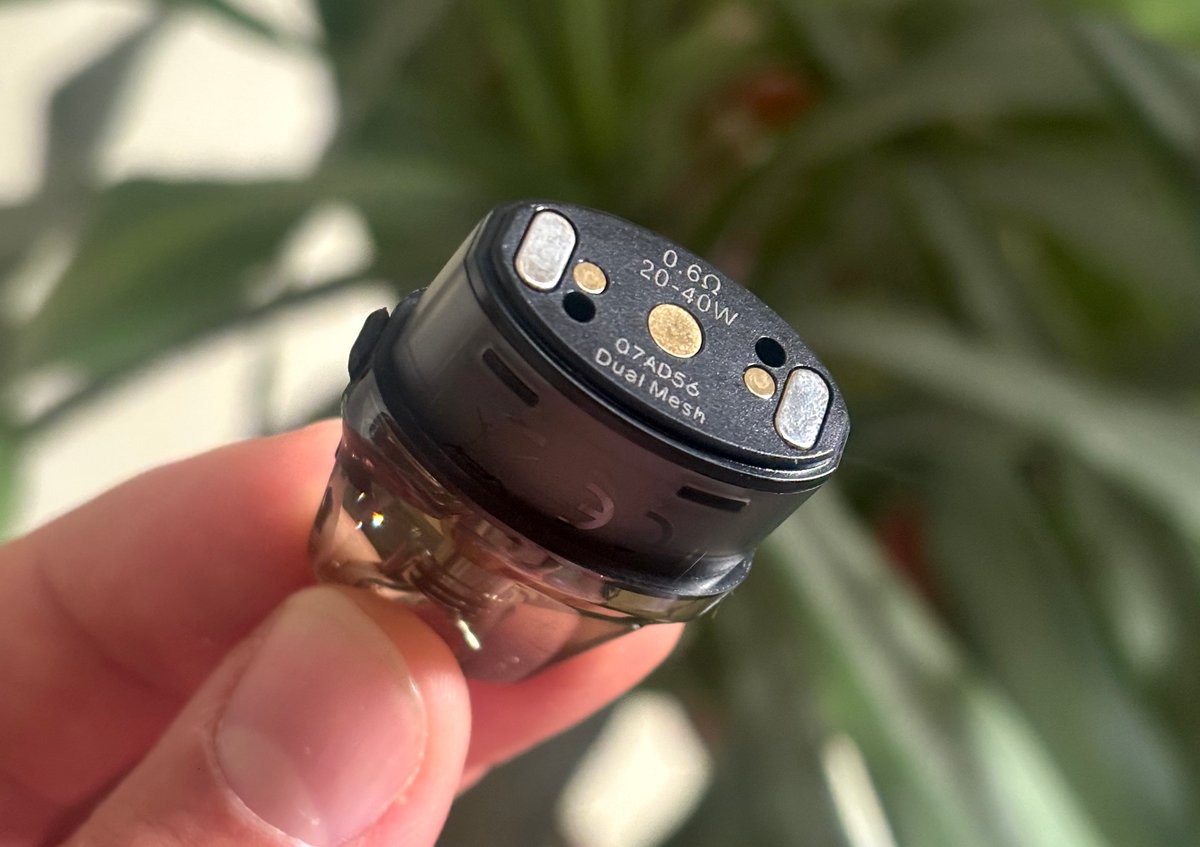
What Does Ohm Mean On A Vape? Resistance, Wattage & Coils Explained

What does ohm mean on a vape? It's the coil's resistance rating, and it decides your draw's warmth, cloud size and throat hit by controlling how much power reaches the coil at a given voltage. This guide shows you where to find that rating, how it interacts with wattage, and which ohm range suits MTL, restricted or sub-ohm vaping, so you can match the coil to the right e-liquid and nicotine strength.
What Does Ohm (Ω) Mean On A Vape?
An ohm (Ω) is the unit of electrical resistance, and on a vape it tells you how hard your coil pushes back against the current flowing through it. That single number, printed on every coil and pod, shapes how your device vapes: the clouds, the warmth, the tightness of the draw. Get to grips with it and the rest of the specs on a coil box start to make sense.
If you are still working out how the coil sits inside the wider kit, our Vape Devices Explained guide covers the parts and how they fit together.
The Ω symbol and electrical resistance
The Ω symbol is the Greek letter omega, and it stands for ohms, the measure of resistance in any electrical circuit. A coil's ohm rating is simply how much it resists the current from your battery.
- Lower resistance (say 0.4 ohm) lets more current pass, so the coil heats faster and hotter. That means bigger clouds, more vapour and a warmer draw.
- Higher resistance (say 1.0 ohm and up) restricts the current, heating the coil more gently. That gives a tighter, cooler draw with less vapour.
So when people ask what a higher ohm means on a vape, the short answer is a more restricted, cooler, cigarette-like inhale, and a lower ohm means a warmer, airier, cloudier one.
How ohms, voltage and wattage interact
Three things decide how your coil behaves: voltage (the push from the battery), the resistance (your ohms) and wattage (the power that actually reaches the coil). They are locked together.
- Voltage is the electrical pressure your mod or pod applies.
- Ohms is the resistance holding that pressure back.
- Wattage is the result, the heat delivered to the coil.
At the same voltage, a lower-ohm coil draws more power and runs hotter, while a higher-ohm coil draws less and runs cooler. This is why swapping to a lower-resistance coil without adjusting anything can suddenly feel much warmer.
How to calculate ohms (Ohm's Law made simple)
Ohm's Law links volts, amps and ohms, and for vaping the version worth knowing is the power formula:
Watts = Volts² ÷ Ohms
Put a number on it. At 4 volts:
- On a 0.5 ohm coil: 4² ÷ 0.5 = 32 watts
- On a 1.0 ohm coil: 4² ÷ 1.0 = 16 watts
Same voltage, double the resistance, half the power. That is the whole relationship in two sums.
Here is the good news for everyday vaping: you rarely have to do this maths yourself.
- Variable-wattage mods let you dial the power directly, and the mod works out the voltage it needs for your coil.
- Fixed-output pod kits set the power automatically to match the coil you clip in, so there is nothing to adjust.
If you are on a variable-wattage device and unsure where to set it, our guide on What Wattage Should I Vape At? walks through the sensible ranges for each coil type.
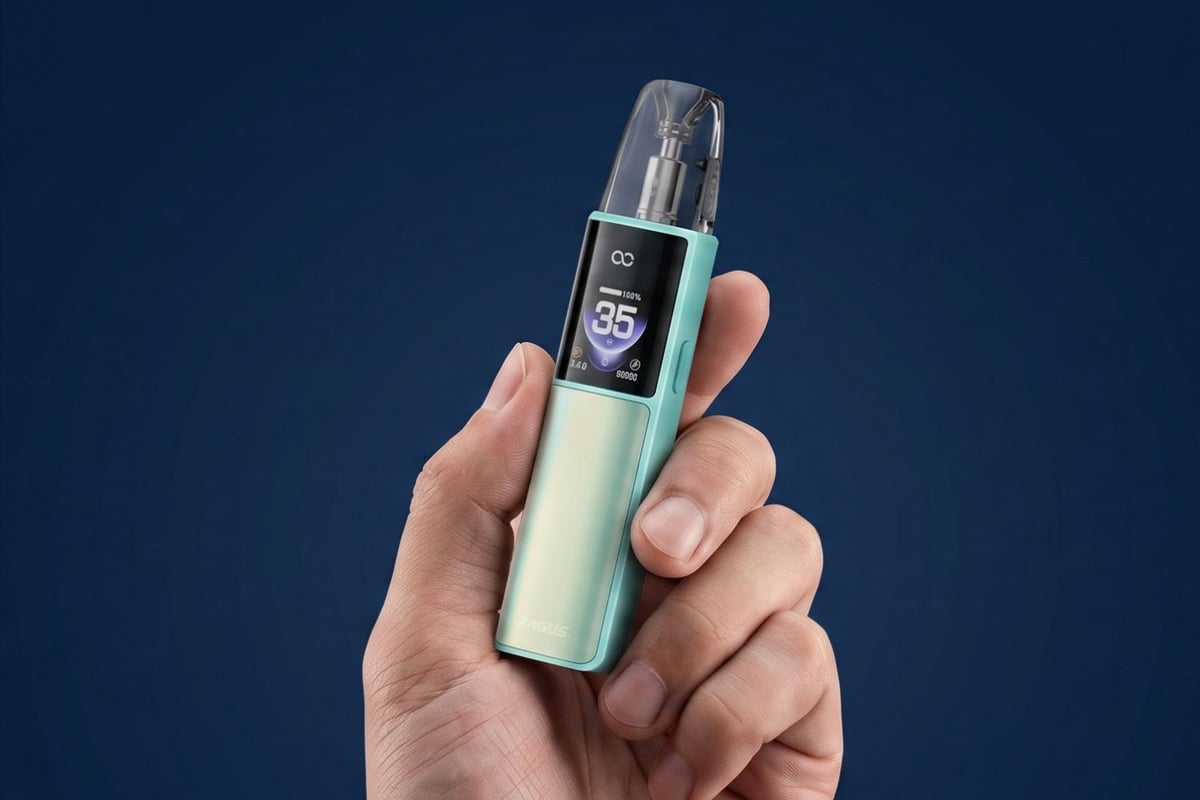
Where To Find Your Coil's Ohm Rating
Your coil's resistance is printed right on it, so you rarely have to guess. The number tells you the coil's ohm rating, and that rating decides how it performs. A 0.4 ohm coil runs hotter and hungrier for power than a 0.8 ohm one, which sits nicely in the middle. Here is where to look.
On the coil head itself
Most coils are laser-etched with their resistance straight onto the metal body. Look for a figure like 0.4Ω, 0.6Ω or 0.8Ω printed near the threads or around the barrel.
- 0.4 ohm means a lower-resistance, sub-ohm coil: more power, warmer vapour, bigger clouds
- 0.8 ohm sits in the sweet spot for cooler direct-lung or a restricted draw, and pairs well with 50/50 salts
- Anything above 1.0 ohm is a higher-resistance MTL coil for a tighter, cigarette-style pull
Across the mesh coils we stock, 0.8 ohm pods are the sweet spot most of our customers settle on for 50/50 salts.
On the coil or pod packaging
Every box lists the ohm rating on the coil, and usually a recommended wattage range alongside it. That range matters. Run a coil above its ceiling and you will burn the wick; run it too low and the flavour goes flat.
- Check the printed resistance against what your device supports
- Note the suggested wattage window and set your mod inside it
- Keep the packaging or a photo of it until you have dialled the coil in
If your coils are wearing out faster than the box suggests, our guide on How Long Do Vape Coils Last? walks through what shortens their life.
On your mod or pod screen
Variable-wattage mods show live resistance the moment you fit a fresh coil. Screw it in, wake the device, and the ohm reading appears on-screen.
- A stable reading that matches the printed rating means good contact
- A figure that drifts or jumps around usually points to a worn coil or a dirty connection
- Clean the threads, reseat the coil, and if it still wanders, swap it out
We vape every day and we test what we sell before it goes on the shelf, and a wandering resistance reading is almost always the first sign a coil is on its way out.
Ohm Ranges Compared: Wattage, Vapour, Throat Hit & Style
The number on your coil tells you almost everything about how that vape will feel. Higher ohms mean a tighter, cooler draw with less liquid burned. Lower ohms mean more power, more vapour and a warmer inhale. Here is how the three broad bands stack up side by side.
Above 1.0Ω: MTL / high-resistance
Tight, efficient, stronger throat hit
- Wattage: roughly 10-15W
- Vapour: modest, discreet
- Throat hit: sharp, cigarette-like
- Best for: mouth-to-lung, tighter draws
- E-liquid: 50/50 or higher-PG, 10-20mg salts
These sip liquid and last well, so they suit anyone who wants a cigarette-style pull without the clouds.
0.8Ω-1.0Ω: mid-range restricted
The all-rounder most people settle on
- Wattage: roughly 12-20W
- Vapour: moderate, satisfying
- Throat hit: smooth but present
- Best for: restricted DTL and looser MTL
- E-liquid: 50/50 salts or lower-nic freebase
Across the mesh coils we stock, 0.8 ohm pods are the sweet spot most of our customers settle on for 50/50 salts.
Sub-ohm (below 1.0Ω): DTL / big clouds
More power, more vapour, softer hit
- Wattage: roughly 20-35W+
- Vapour: dense, warm, plenty of it
- Throat hit: soft at lower nic strengths
- Best for: direct-to-lung, airy draws
- E-liquid: high-VG 70/30 shortfills, 3-6mg
Sub-ohm simply means any coil below 1.0Ω. These run hotter, burn through liquid faster and are built for cloud rather than throat hit.
Above 1.0Ω: MTL / high-resistance
MTL means mouth-to-lung: you draw the vapour into your mouth first, then inhale, exactly like a cigarette. High-resistance coils are made for this. They run low wattage, keep the draw tight and give a firmer throat hit even at modest power. If you have recently made the switch and want that familiar sensation, this is your band. It also sips e-liquid, so a bottle lasts noticeably longer.
0.8Ω-1.0Ω: mid-range restricted
This is the middle ground and, for a lot of vapers, the one they never leave. A 0.8Ω coil handles 50/50 salts beautifully in a pod kit and opens up into a gentle restricted direct-to-lung if you widen the airflow. Enough vapour to feel satisfying, enough throat hit to stay pleasant, without the liquid appetite of true sub-ohm.
Sub-ohm (below 1.0Ω): DTL / big clouds
DTL means direct-to-lung: one smooth pull straight into the lungs, no mouth stage. RDL, or restricted direct-to-lung, sits between the two, an airier draw than MTL but tighter than full DTL. Sub-ohm coils drive both. They demand more power, produce the big warm clouds and pair best with high-VG shortfills at lower nicotine strengths. Run high-strength salt in a sub-ohm coil and you will get far too much nicotine, so keep it to 3-6mg here.
For a fuller breakdown of each draw style, have a look at our Vaping Styles Explained: MTL vs DTL vs RDTL.
What wattage for 0.4Ω, 0.6Ω and 0.8Ω
The rule of thumb is straightforward: lower ohms want more watts. As a starting point:
- 0.4Ω: roughly 25-35W
- 0.6Ω: roughly 20-28W
- 0.8Ω: roughly 12-20W
Always confirm against the coil packaging first. Manufacturers print a recommended wattage range on the coil or the box, and that range beats any general guidance because it is built around that exact mesh and wicking. Start at the lower end, take a few pulls, then nudge the power up until the flavour and vapour feel right. For the full method, see What Wattage Should I Vape At?.
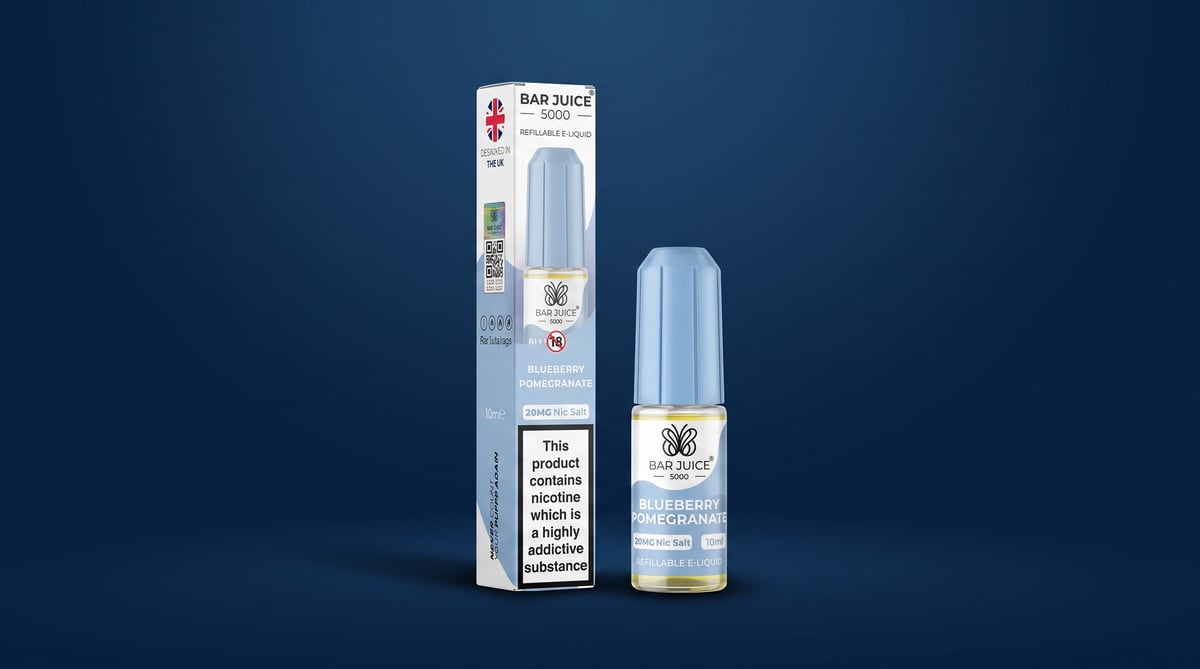
Matching Ohms To Your E-Liquid, PG/VG & Nicotine Strength
Get the ohm and the liquid working together and everything falls into place: smooth draw, full flavour, sensible nicotine. Get them mismatched and you are looking at flooded coils, a harsh throat hit, or a wick that dries out and burns. The rule of thumb is simple. Lower ohms want thicker, higher-VG liquid. Higher ohms want thinner 50/50 and, usually, nic salts.
Why sub-ohm needs high-VG liquid
Sub-ohm coils (anything under 1.0 ohm) run hot and pull a lot of liquid through the wick. That means they need a thicker juice to keep up.
- Pair sub-ohm coils with high-VG shortfills, typically 70/30 VG/PG. The extra VG feeds the coil properly and produces the big, dense vapour these coils are built for.
- Run a thin 50/50 through a sub-ohm coil and it soaks the wick faster than it can vape it. You get leaking, spitback and a muted flavour.
- Keep the nicotine low. Sub-ohm delivers a lot of vapour per pull, so 3mg or 6mg is plenty. Anything stronger gets harsh fast.
A shortfill, if the term is new to you, is a large bottle (usually 50ml or 100ml of liquid in a bigger bottle) left nicotine-free with room at the top to add a nic shot. It is the standard way to buy high-VG liquid in volume under UK rules.
PG, VG and 50/50 explained
These two letters decide how your liquid behaves in the coil, so they are worth knowing cold.
- PG (propylene glycol) is the thin one. It carries flavour well and delivers a firmer throat hit. More PG suits higher-ohm MTL coils.
- VG (vegetable glycerine) is the thick, sweet one. It makes the vapour, smooths the draw and softens the throat hit. More VG suits sub-ohm.
- 50/50 means a half-and-half blend. It is the all-rounder: thin enough for pods and MTL coils, smooth enough to be pleasant, and the standard base for 10ml nic salts.
- 70/30 leans VG-heavy for clouds and a softer inhale, which is why it dominates the shortfill shelf.
We run refillable pod kits day to day and sub-ohm tanks in the evenings, so we mix salts and shortfills in roughly equal measure, and the split above holds up every time. For the full breakdown, have a look at our guide to Understanding VG & PG in E-Liquid.
Nic salts vs freebase for each ohm range
Nicotine type matters as much as strength. The two behave very differently on the throat.
- Freebase nicotine is the traditional form. It gives a sharper throat hit that grows harsher as you go up in mg. Fine at low strengths in sub-ohm, rough at high strengths.
- Nic salts are smoother at the same strength, so you can vape 10mg or 20mg without the harshness. That is exactly what you want in a higher-ohm MTL coil or pod, where the draw is tight and concentrated.
Matching it up:
- Higher-ohm MTL coils (1.0 ohm and up): 50/50 liquid, nic salts at 10mg or 20mg, or freebase at lower strengths. The tighter draw delivers a stronger throat hit, so salts keep it comfortable.
- Sub-ohm coils (under 1.0 ohm): 70/30 shortfills, low freebase nicotine at 3mg or 6mg. Big vapour means low mg stays smooth.
Never load high-strength salts into a sub-ohm tank. The vapour volume plus the nicotine hit is genuinely unpleasant, and it defeats the point of a low-resistance setup. If you are weighing up which to buy, start with What Are Nic Salts? and then How To Match E-Liquid To Your Coil to lock in the pairing for your kit.
Vape Jargon Decoded: MTL, DTL, RDL & 'Getting Buzzed'
Ohm ratings and inhale styles go hand in hand, but the terminology trips people up more than the physics does. Here is the shorthand you will see across product pages, reviews and vape forums, decoded in plain English.
MTL vs DTL vs RDL/RDTL
Three acronyms describe how you draw vapour, and they map directly onto the ohm ranges we covered earlier.
- MTL (mouth-to-lung): you pull vapour into your mouth first, then breathe it into your lungs, exactly like a cigarette draw. Tight, restricted airflow. This is your higher-resistance territory, roughly 0.8 ohm and above, paired with 50/50 liquid and salts.
- DTL (direct-to-lung): an open, airy inhale straight into the lungs, no mouth-holding step. Bigger clouds, more warmth, more vapour. Sub-ohm coils, high-VG shortfills, low nicotine.
- RDL/RDTL (restricted direct-to-lung): the middle ground. A DTL-style inhale but with the airflow dialled back, so it is less of a gulp and more of a controlled draw. Sits between the two on coil resistance and liquid.
Most of us start on MTL after switching and drift towards RDL or DTL as we get comfortable. There is no right answer, just what feels good.
For a proper breakdown of each style, coil pairings included, have a look at our Vaping Styles Explained: MTL vs DTL vs RDTL guide.
What 'buzzed' means and nicotine safety
'Getting buzzed' is that light-headed, slightly dizzy, sometimes queasy feeling you get from too much nicotine. It usually shows up when you are vaping a strength that is too high for your kit, or when you are chain-vaping a sub-ohm setup on salts (a combination you want to avoid).
If it feels unpleasant, drop your nicotine mg. That is the fix, plain and simple.
- On an MTL pod, most switchers land on 10mg or 20mg salts (20mg/ml is the UK legal ceiling under the TRPR).
- On a sub-ohm DTL tank, you want 3mg or 6mg freebase, because you are inhaling far more vapour per puff.
- Put 20mg salts through a sub-ohm coil and you will feel buzzed fast, along with a brutal throat hit.
Match the strength to the style and the buzz stays pleasant rather than horrible.
'No Atomizer', 'zero it' and other screen messages
A 'No Atomizer' error means your device cannot read the coil's resistance. The mod fires a tiny current to detect the ohm value, and if that reading fails, it throws the error rather than firing blind. Common causes:
- The coil is not screwed in fully, or the pod is not seated properly.
- The coil is dead or the connection pin is dirty.
- Gunk or e-liquid has built up on the 510 threading.
Reseat the coil, give the contacts a wipe with a dry tissue, and try again. If it still will not read, the coil has usually failed.
'Zero it' or 'zero now' appears on regulated mods with a resistance lock. It asks you to confirm the coil's ohm reading when you fit a new one, so the device recalibrates to the correct resistance. Fit the coil, then agree to the prompt. It takes a second and stops the mod misfiring on the old reading.
Ohm Safety & Troubleshooting: Getting It Wrong Can Cost You
Ohms are not just a flavour setting. Get the pairing wrong and you can wear out coils in days, drain a bank of e-liquid, or push a battery harder than it is rated to handle. Most modern kits protect you from the worst of it, but understanding the numbers keeps you safe and keeps your running costs down.
Battery amp limits and sub-ohm risk
Sub-ohm coils pull high current. The lower the resistance, the more amps the battery has to deliver, and that is where safety matters.
- Only run sub-ohm coils on a regulated device, one with a chipset that manages voltage and cuts out if something is off.
- Use batteries rated for the load your setup demands. Never mix and match cells of different brands, ages or charge levels in a dual-battery mod.
- Do not fit a coil below your mod's stated resistance range. The device is built around specific limits, and a mismatch is exactly the kind of thing that causes trouble.
If you are on a regulated pod kit or sub-ohm tank with the manufacturer's own coils, you are already inside the safe envelope. The risk climbs when people start improvising with hardware that was never designed to work together. For the wider picture on staying compliant and safe, have a look at our UK Vaping Laws, Safety & Compliance hub.
Why your ohm reading changes or won't fire
A vape that refuses to fire, flashes 'check atomizer', 'no atomizer', or throws an 'ohm too low' or 'ohm too high' error is almost always telling you one of three things:
- The coil is worn out. As a coil ages the resistance drifts, and eventually the mod reads it as out of range.
- Poor contact. Gunk, e-liquid or a loose coil on the connection pin stops the mod reading the resistance cleanly. Give the threads and the base a wipe.
- The resistance sits outside the mod's range. A 1.2 ohm MTL coil on a device that only fires down to 0.4 ohm, or a 0.15 ohm coil on a low-power pod, will not play nicely.
Nine times out of ten it is a tired coil or a dirty contact. Reseat the coil, clean the connection, and if the error stays, fit a fresh coil. Our full walkthrough is in Why Won't My Vape Fire?, and if the vape fires but tastes off, Why Does My Vape Taste Burnt? covers that.
Cost impact: liquid use and coil replacement
Lower ohms cost you more to run, and it is a factor most guides skip over entirely.
A low-resistance, high-wattage sub-ohm setup vaporises more liquid per puff. More vapour means more e-liquid used, which means you get through bottles faster. To answer the common question directly: yes, a lower ohm coil uses more e-liquid than a higher-ohm MTL coil at the same puff count.
The same logic hits your coils. Push more power through a coil and it works harder, so:
- Sub-ohm mesh coils in a tank tend to want replacing more often when you run them at the top of their wattage range.
- Higher-ohm MTL and pod coils sip liquid and last longer, which is part of why refillable pods are the cheaper day-to-day option for most people.
There is a genuine trade-off here. Big clouds and warm, dense vapour are lovely, but you pay for them in liquid and coils. We run refillable pod kits day to day and sub-ohm tanks in the evenings, so we mix salts and shortfills in roughly equal measure, and that split keeps the running costs sensible. Priming matters too. In our own testing, priming a mesh coil for a good five minutes before the first pull is the single biggest thing that stops a burnt first hit, and a burnt coil is a coil you bin early.
Frequently Asked Questions
PG stands for propylene glycol, the thinner of the two main e-liquid bases, and it's what carries the flavour and delivers that peppery throat hit. Liquids with more PG, like a classic 50/50 mix, work best through higher-ohm MTL coils where you want a crisp draw rather than clouds. It's a good pairing to remember: high PG, high resistance, low wattage.
RDL means restricted direct-to-lung, a style that sends vapour straight to your lungs but through a tighter airflow than full DTL, giving you a bit of draw resistance to chew on. We tend to run RDL on sub-ohm coils between 0.4 and 0.8 ohm, which keeps the hit warm without going full cloud-chaser. It's the sweet spot for switchers who find pure DTL too airy.
DTL means direct-to-lung, an open, airy inhale where vapour goes straight into your lungs rather than sitting in your mouth first. To get it right you need low-ohm sub-ohm coils, usually under 0.5 ohm, paired with higher wattage and high-VG liquid. That combination is what gives you the dense, warm clouds DTL setups are known for.
MTL means mouth-to-lung, the style that mimics drawing on a cigarette, where vapour sits briefly in your mouth before you inhale it. It pairs with higher-ohm coils, 1.0 ohm and above, run at low wattage with 50/50 e-liquid or nic salts. If you're switching over from cigarettes, this is almost always the resistance range to start with.
A nicotine buzz is that light-headed, slightly dizzy feeling you get from taking in more nicotine than your body's used to, either from a strength that's too high or from vaping too often in a short space of time. It usually passes quickly once you stop and let it settle. If it keeps happening, drop down a nicotine strength or ease off how frequently you're puffing.
A 0.4 ohm coil is a sub-ohm coil built for higher wattage, typically somewhere in the 25 to 35W range, and it's designed to produce big, dense vapour rather than a tight throat hit. These coils need high-VG liquid to keep them saturated and are best used with lower nicotine strengths since you'll be inhaling far more vapour per puff. Running high-nicotine liquid through a 0.4 ohm coil is a rough, harsh experience we'd steer you away from.
A no atomizer error means your device can't read the coil's resistance, so it won't fire. It's almost always down to a coil that's not seated properly, has burnt out, or has muck built up on the connection pins. Unscrew the tank, reseat the coil firmly, give the centre pin a wipe, and try again before assuming the coil itself is dead.
Higher ohm means more electrical resistance in the coil, which translates to less current flowing through it, a cooler vapour temperature, and less e-liquid used per puff. It also gives you a stronger, more pronounced throat hit even at low wattage, which is exactly why higher-ohm coils are the default for MTL vaping. If you're after something closer to the sensation of a cigarette, higher resistance is the direction to look.
About the author

Related guides
What Wattage Should I Vape At? A Guide to Getting It Right
Answer 'what wattage should I vape at?' with our UK guide: match ohms to watts, tips for nic salts and fixes for burnt or gurgling hits.
Vape Pod vs Coil: What's the Difference (And Which Do You Need)?
Vape pod vs coil - what's the difference? Learn built-in vs replaceable coils, Geekvape XM vs Z codes, cost, flavour and troubleshooting to find your fit.
How Long Do Vape Coils Last?
How long do vape coils last? Get puff benchmarks, Vaporesso/SMOK/Voopoo lifespans, cost-per-week ROI and proven tips to make coils last longer.