Understanding VG & PG in E-Liquid: The Complete Ratio Guide

The number on your bottle, 50/50, 70/30 or Max VG, tells you almost everything about throat hit, cloud size and coil compatibility before you even fill your tank, and understanding VG PG in e-liquid means matching that ratio to your device rather than guessing. We break down what PG and VG actually do, how each common blend feels on the inhale, and which ratio suits MTL pods versus sub-ohm tanks. Get the pairing right and your coils last longer, your flavour stays cleaner and you stop wasting liquid.
What Are VG and PG? The Two Bases Explained
Every bottle of e-liquid you buy in the UK is built on two base liquids: propylene glycol (PG) and vegetable glycerine (VG). That is what the letters stand for. Get your head around what each one does and you will understand why a 50/50 salt hits your throat differently to a 70/30 shortfill in a sub-ohm tank. If you want the wider picture on what goes into your juice, our E-Liquid Explained: The Complete UK Guide covers the full breakdown.
The short version: PG carries flavour and gives you throat hit, VG makes the clouds. Almost every UK e-liquid blends the two, then adds flavourings and, in most cases, nicotine.
Propylene Glycol (PG): thin, flavour carrier, throat hit
PG is a thin, near-flavourless liquid. Because it is so runny, it wicks quickly into your coil and it carries flavour compounds sharply, so the taste comes through clean and defined. It is also the base that gives you throat hit, that little catch at the back of the throat that ex-smokers tend to look for when making the switch. Higher PG means more pronounced flavour and a firmer throat hit.
Vegetable Glycerine (VG): thick, sweet, vapour producer
VG is the thick one. It is noticeably more viscous than PG and carries a slight natural sweetness of its own. Its job is vapour production: the more VG in the mix, the denser and bigger the clouds. VG also has a higher boiling point and higher viscosity than PG, which is why it produces bigger, warmer vapour but wicks into a coil more slowly. That slow wicking matters when you pick a coil, and we will come back to it.
How they combine in every bottle
Every ratio you see, 50/50, 70/30, 60/40, is simply the balance of these two bases. Shift towards PG and you get sharper flavour, more throat hit and faster wicking. Shift towards VG and you trade some throat hit for thicker, warmer vapour and a touch more sweetness. The rest of the bottle is flavourings and optional nicotine. Here is the side-by-side.
PG (Propylene Glycol)
- Thin, low viscosity
- Delivers pronounced throat hit
- Carries flavour cleanly and sharply
- Wicks fast, kinder to smaller coils
VG (Vegetable Glycerine)
- Thick, high viscosity
- Produces dense, warm vapour
- Slightly sweet on its own
- Wicks slowly, needs wider airflow and lower-ohm coils
Common VG/PG Ratios and What Each One Feels Like
The number on the bottle tells you almost everything about how a liquid will vape before you even fill your tank. The ratio between VG and PG is the single biggest factor in how a liquid feels on the inhale.
Here is how each of the common blends breaks down when you actually vape them.
50/50: balanced all-rounder
The workhorse of UK vaping. A 50/50 liquid is thin enough to wick fast through small pod and MTL coils, so it keeps up with quick, frequent pulls without leaving you dry.
- Stronger throat hit, closer to a cigarette drag
- Sharper, more defined flavour
- Thin consistency that wicks quickly
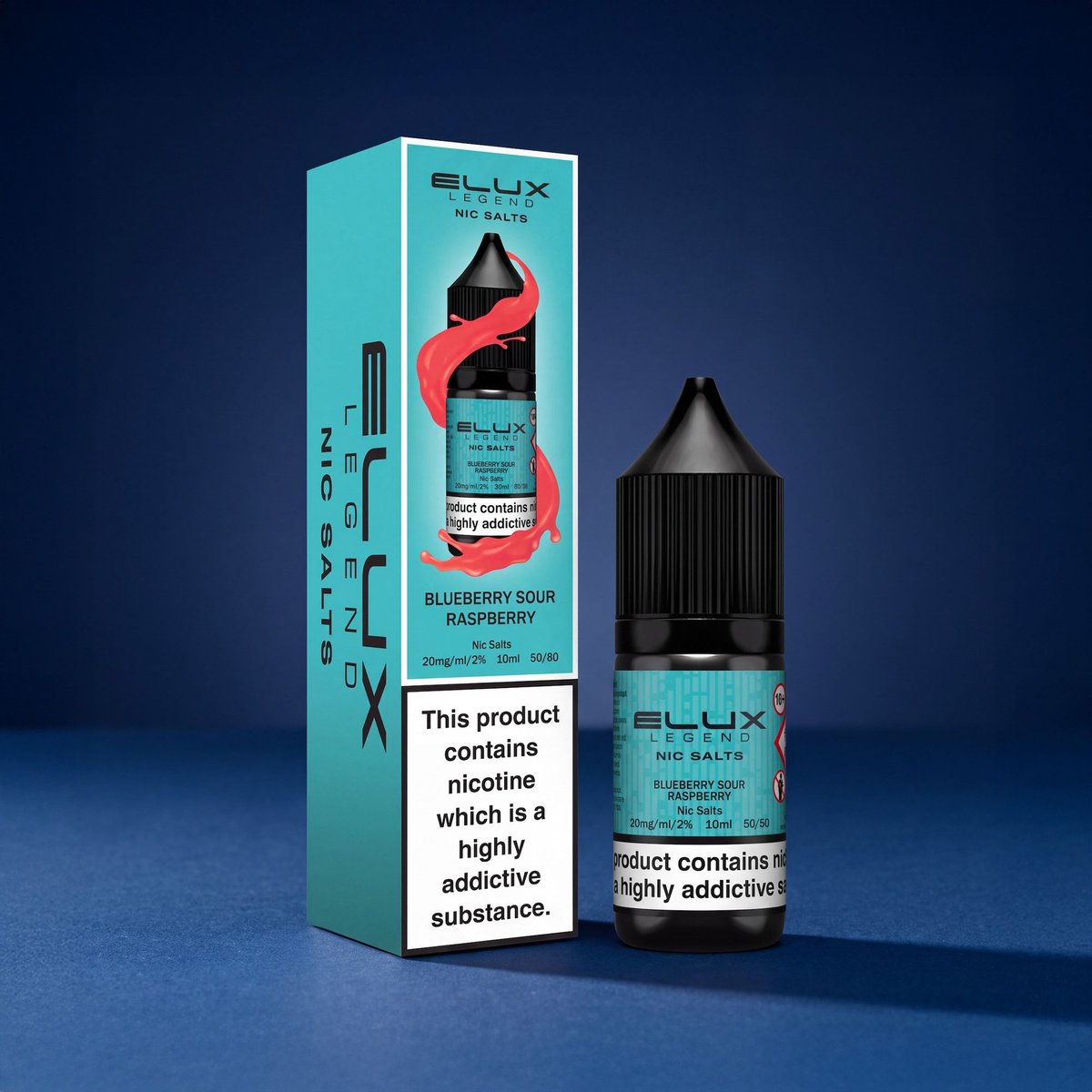
- Almost every 10ml nic salt on the market is 50/50
If you run a refillable pod day to day, this is the ratio you will spend most of your time with.
60/40 and 70/30: the middle ground
Bump the VG up and everything softens. 70/30 is the standard for shortfills, and it is where most sub-ohm tanks and higher-power pods sit happily.
- Smoother, rounder inhale with less bite
- Noticeably bigger vapour than 50/50
- Throat hit starts to fade
- Still thin enough to wick most mesh coils under 1.0 ohm
60/40 splits the difference if you want a touch more throat hit than 70/30 gives. In our own testing, 70/30 is the sweet spot for evening sub-ohm sessions where you want flavour and cloud without a harsh inhale.
80/20 and 90/10 (Max VG): cloud territory
Max VG blends are the thickest liquids you will handle. They produce the biggest clouds and the smoothest draws, but the throat hit is nearly gone and the liquid struggles to wick through anything but a wide-bore, high-power coil.
- Thick, syrupy consistency
- Huge vapour production
- Minimal throat hit
- Only suits high-power sub-ohm setups running low-resistance mesh
Drop Max VG into a pod or a tight MTL coil and you will get gurgling, slow wicking and dry hits. These ratios need airflow and wattage to work.
Taste and flavour intensity by ratio
Ratio changes what you taste, not just how much vapour you make. Higher PG generally sharpens flavour perception, so a 50/50 liquid tends to taste crisper and more pronounced, which is why fruit and menthol salts land so cleanly. Higher VG rounds the profile off and adds a subtle sweetness of its own, softening sharp notes and lending body to dessert and custard flavours.
Neither is better, they just suit different profiles. A bright citrus salt sings at 50/50; a rich vanilla shortfill benefits from the extra roundness of 70/30 or higher.
50/50 Throat Hit: Strong Vapour: Low Flavour Sharpness: High Wicking Speed: Fast Best Device: Pod kits, MTL tanks
60/40 Throat Hit: Medium-high Vapour: Medium Flavour Sharpness: High Wicking Speed: Fast Best Device: MTL tanks, high-output pods
70/30 Throat Hit: Medium Vapour: High Flavour Sharpness: Balanced Wicking Speed: Moderate Best Device: Sub-ohm tanks, mesh pods
80/20 Throat Hit: Low Vapour: Very high Flavour Sharpness: Rounded Wicking Speed: Slow Best Device: Sub-ohm tanks only
90/10 (Max VG) Throat Hit: Minimal Vapour: Maximum Flavour Sharpness: Soft, sweet Wicking Speed: Very slow Best Device: High-power sub-ohm mesh
Once you have settled on a ratio, the next call is strength. Our How To Choose The Right E-Liquid Strength guide walks through matching mg to your device and habit.
Which Ratio Matches Your Device and Coil?
Match the ratio to your coil before you buy, not after. Get this wrong and you either flood a pod with thick liquid it cannot wick, or drown a sub-ohm tank in juice that is too thin to hold. Both waste liquid and both kill coils early.
The single number that decides everything is coil resistance. Higher resistance wants thinner liquid, lower resistance wants thicker. Here is where each device type lands.
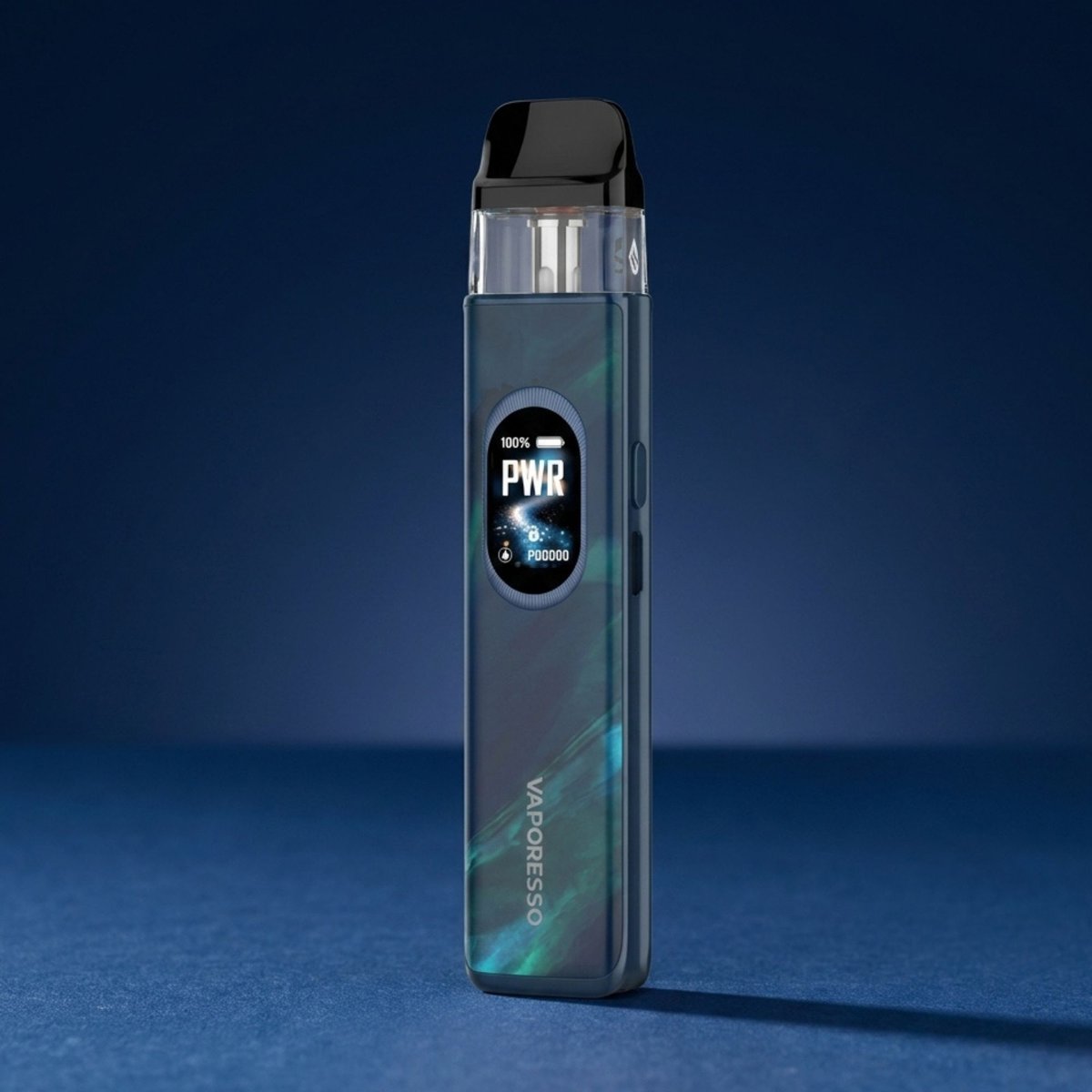
MTL Pod → 50/50 XROS 6, Caliburn G5 and the rest of the tight-draw pod crowd. High-resistance coils, usually 0.8ohm and above, need thin 50/50 liquid to wick fast enough. This is the home of 10ml nic salts.
Versatile Pod-Mod → 50/50 to 70/30 Argus P3, Aegis Boost 3 and similar do both jobs depending on the coil fitted. Run a 50/50 with the tight MTL coil, step up to a 70/30 shortfill when you drop in the lower-resistance pod.
Sub-Ohm Mod → 70/30 to Max VG Drag S3, Aegis Legend 5 with a proper sub-ohm tank. Big mesh coils below 0.8ohm want high VG to feed the wicks and stand up to the wattage. This is shortfill territory.
Pod kits and high-resistance MTL coils
If you run a refillable pod day to day, you want 50/50. High-resistance MTL coils, typically 0.8ohm and up, are built with small wicking ports and tight airflow. They need thin liquid to keep the cotton saturated.
Put a high-VG shortfill into an MTL pod and the liquid simply cannot wick fast enough to keep pace. The result is a dry hit, then a burnt coil. We run refillable pod kits ourselves and stick to 50/50 salts in them without exception. The XROS 6 is a good example of exactly this: a tight MTL pod that lives on thin 50/50 liquid.
Sub-ohm tanks and DTL devices
Drop below 0.8ohm and the rules flip. Sub-ohm coils pull far more liquid and run far hotter, so they need high VG, usually 70/30 or thicker, to feed the wicks and hold up to the heat.
Thin 50/50 in a sub-ohm tank is a mess. The liquid is too runny for the big wicking ports, so it leaks out the airflow and gurgles on the draw. Thicker liquid sits in the wick properly and gives you the dense vapour these coils are made for. Pair a 70/30 shortfill with any coil under 0.6ohm and you are sorted.
How coil resistance dictates ratio
The logic is simple once you see it laid out:
- 0.8ohm and above (MTL): 50/50 liquid, thin enough to wick through small ports
- 0.6ohm to 0.8ohm (restricted DTL): 50/50 to 70/30 depending on airflow and wattage
- Below 0.6ohm (sub-ohm DTL): 70/30 to Max VG, thick enough to keep up with the heat
Get the pairing right and your coils last, your flavour stays clean and you waste nothing. For the full breakdown of which liquid suits which coil, have a look at our guide on How To Match E-Liquid To Your Coil. If you are still getting to grips with resistance, tanks and pod types, Vape Devices Explained: Coils, Tanks, Batteries & Pod Kits covers the hardware side in full.
How Nicotine Type and Strength Interact With Ratio
Your ratio and your nicotine strength are not two separate decisions. Get one wrong and the other feels off. High nicotine in a high-PG liquid can rasp the back of your throat; the same strength in higher VG feels softer. This is where a lot of switchers come unstuck, so pick both together.
Nic salts and 50/50
Nic salts almost always live in 50/50 liquids for a reason. The chemistry lets you run a higher strength (up to the UK legal 20mg/ml) without the harshness you would get from the same strength in freebase.
- Best for MTL: low-power pod kits and MTL tanks with coils above 0.8 ohm
- Why 50/50: enough PG to wick fast through tight pods, enough VG to keep it smooth
- Strength range: typically 10mg and 20mg for switchers coming off cigarettes
Across the mesh coils we stock, 0.8 ohm pods are the sweet spot most of our customers settle on for 50/50 salts. Push salts into a sub-ohm setup and you deliver far too much nicotine per puff, which is where the coughing starts.
Freebase nicotine and higher VG
Freebase nicotine is the traditional base, and it suits high-VG shortfills at lower strengths. Sub-ohm tanks and mesh coils under 0.6 ohm move a lot of vapour per pull, so the nicotine adds up fast. That is why 70/30 and higher-VG shortfills tend to sit at 3mg or 6mg.
- Best for DTL: sub-ohm tanks, high-power mesh coils
- Why higher VG: thicker liquid, bigger clouds, softer inhale
- Strength range: usually 0mg to 6mg once nicotine is added to a shortfill
If you are mixing a nic shot into a 100ml shortfill, the maths matters. Our How To Choose The Right E-Liquid Strength guide walks through exactly what strength you land at.
Throat hit perception combined
PG amplifies throat hit. It carries flavour sharply and delivers a firm rasp on the inhale. Nicotine adds its own hit on top. Stack high PG with high freebase nicotine and it feels harsh, which is the number one reason a vape bites too hard.
To dial it in:
- Too harsh? Drop the nicotine strength, or shift to a higher-VG liquid to soften the inhale
- Want more throat hit? Higher PG and salts at a firmer strength will sharpen it up
- Best of both: nic salts give you strength without the freebase rasp, which is why they feel smooth even at 20mg
The takeaway is simple. High VG softens, high PG sharpens, and nicotine turns both dials up. Choose your ratio, your nicotine type and your strength as one package, not three.
Choosing Your Ratio by Vaping Style (Step-by-Step)
The quickest way to land on the right ratio is to match it to how you actually vape. Work out your style first, then let the ratio follow. Here is the shortlist before we break it down.
Ex-smoker or switcher 50/50 nic salt in an MTL pod. Tight, cigarette-like draw and a firm throat hit.
Flavour enthusiast 60/40 to 70/30. The sweet spot where taste and smoothness meet.
Cloud chaser (DTL) 70/30 up to Max VG on sub-ohm hardware. Thick vapour, softer flavour.
All-day vaper 50/50 to 60/40. Kind to coils, kind to your wallet, works across most kit.
Ex-smokers and first-time vapers
Start on 50/50 nic salt in an MTL pod kit. It is the closest thing to the draw and hit you are used to, and it is where most switchers settle without any fuss.
- Ratio: 50/50
- Nicotine: salts, usually 10mg or 20mg (20mg/ml is the UK legal maximum under the Tobacco and Related Products Regulations 2016, the TRPR)
- Device: refillable MTL pod, coils around 0.8 to 1.2 ohm
Salts give a smoother throat hit than freebase at the same strength, so 20mg does not feel harsh in a pod. That tight, mouth-to-lung draw mimics a cigarette better than any big-cloud setup. The best VG/PG ratio for beginners is almost always 50/50 because it wicks fast, needs no faff and runs happily on low-power pods.
We're seeing more switchers move from big-puff disposables to refillable pods as the government's upcoming vaping duty approaches. If that is you, our How To Switch From Disposables To Reusable Vapes guide covers the practical bits.
Flavour chasers
Go 60/40 or 70/30 if taste is your priority. This is the ratio for flavour: enough PG to carry the notes crisply, enough VG to keep it smooth and a touch cloudier.
- 60/40 sits closest to balanced. Sharp flavour, still smooth, wicks well on most tanks.
- 70/30 leans richer and softer, with slightly muted top notes but a fuller body.
PG is the flavour carrier, so a higher-PG mix like 60/40 tends to read brighter on the inhale. Pair either ratio with a mesh coil under 0.6 ohm on a sub-ohm tank and you get the flavour clarity these blends are built for. Restricted DTL kit handles them best.
Cloud chasers and DTL vapers
For clouds, run 70/30 up to Max VG on sub-ohm hardware. VG is the thick, dense component, so the higher you push it, the bigger the vapour.
- 70/30 is the practical starting point for most sub-ohm tanks.
- Max VG (often 80/20 or higher) gives the largest plumes but needs low-resistance mesh, plenty of airflow and a bit more power to wick properly.
The best ratio for clouds is a trade-off. You gain vapour and lose a little flavour sharpness as PG drops. High-VG liquid is thicker, so it needs a coil designed to handle it, otherwise you risk dry hits. This is direct-to-lung territory: open airflow, sub-ohm coils, freebase shortfills rather than salts.
All-day vaping
If you want one setup that just works from morning to night, 50/50 or 60/40 is the sensible middle ground.
- Wicks reliably across pods and mid-range tanks
- Easier on coils than high-VG liquid, so they last longer
- Available in the widest range of flavours and strengths
We run refillable pod kits day to day and sub-ohm tanks in the evenings, so we mix salts and shortfills in roughly equal measure. That covers most all-day needs without committing to one extreme.
The transition path most switchers take: start on 50/50 salts in an MTL pod, get comfortable, then step up to a 60/40 as you move toward a bigger device, and only push into 70/30 or higher once you are on a proper sub-ohm setup. There is no rush to move at all. Plenty of vapers stay on 50/50 pods for good. If you are weighing up which style suits you, Vaping Styles Explained: MTL vs DTL vs RDTL breaks down the draw types in full.
Troubleshooting: Dry Hits, Burnt Coils, Leaking & Gurgling
Nine times out of ten, these problems come down to one mismatch: the wrong VG/PG ratio for your coil resistance. Get that pairing right and most of the grief sorts itself out. Below is how to read the symptom, spot the cause and fix it fast.
Dry hits and burnt coils (too much VG for the coil)
A dry hit is that harsh, scorched pull that catches the back of your throat. A burnt coil is when every puff tastes charred and no amount of vaping brings the flavour back. Both usually mean the liquid is too thick to wick properly into that coil.
High-VG shortfills (70/30 and above) need a wick with big juice channels to feed them. Drop a thick 70/30 into a small MTL pod coil and the cotton simply cannot draw the liquid fast enough. The wick dries out, the coil fires against dry cotton, and you get that burnt taste. The fix is to run a thinner ratio (a 50/50 salt in a pod, higher VG in a sub-ohm tank) or fit a coil built for that thickness.
Chain vaping makes it worse. If you fire faster than the wick can re-soak, you get a dry hit even with the right ratio. Give it a couple of seconds between pulls.
Leaking and gurgling (too much PG or flooded coil)
Leaking and gurgling are the opposite problem: liquid that is too thin, or too much of it sitting in the coil. A watery 50/50 in a big sub-ohm coil with wide wicking ports will seep straight through and pool in the airway. You will hear it gurgle on the inhale and see it weep from the airflow.
Flooding is the other culprit. Overfilling, over-priming, or leaving a pod on its side lets liquid drown the coil. The wick is saturated, the vapour comes out thin and spitty, and it gurgles because there is more liquid than the coil can turn to vapour.
Quick checks for leaking and gurgling:
- Run a thicker ratio in sub-ohm coils (aim for 70/30 or higher)
- Do not overfill the tank or pod, leave a small air gap
- Give the mouthpiece a sharp blow through kitchen roll to clear pooled liquid
- Store pods and tanks upright
Prevention and priming
The single best habit for stopping dry hits is priming every new coil. Drip a few drops of e-liquid directly onto the exposed cotton, fill the tank, then leave it to soak before your first pull. In our own testing, priming a mesh coil for a good five minutes before the first hit is the single biggest thing that stops a burnt first pull.
For the full method by coil and pod type, have a look at our How to Prime a Vape Coil / Pod walkthrough.
Symptom → Cause → Fix
Dry hit Cause: liquid too thick (VG too high) to wick, or chain vaping. Fix: switch to a thinner ratio for that coil, or pause between pulls.
Burnt taste Cause: coil not primed, or high-VG juice starving a small coil. Fix: prime and soak before first use, drop to 50/50 in pods.
Keep going
Leaking Cause: liquid too thin (PG too high) for a sub-ohm coil, or overfilled. Fix: run 70/30 or higher, leave an air gap when filling.
Gurgling Cause: flooded coil, too much liquid pooling in the airway. Fix: blow through onto kitchen roll, store upright, avoid over-priming.
Reduced flavour Cause: ratio too high in VG for the coil, so wicking lags. Fix: match ratio to resistance and prime properly.
Matching your ratio to the coil resistance is the fix that solves more of these than any other single change. Thin liquid in a low-resistance sub-ohm coil, thicker liquid stepped down for higher-resistance MTL pods, and prime before every first pull.
Cost, Coil Life, Storage and PG Sensitivity
Ratio does not just change the vape, it changes how often you replace coils and how you look after your bottles. Here is what actually matters day to day.
Cost and coil lifespan differences
Higher-VG liquids are thicker, and that thickness costs coils. The sweeter, gunkier a liquid runs, the faster it caramelises on the wick and mesh, and the sooner you notice muted flavour and darkening cotton.
- High-VG shortfills in a sub-ohm tank tend to gunk coils quicker than a thin 50/50 salt in a pod.
- Sweetened dessert and fruit flavours are the worst offenders regardless of ratio, so a heavily sweetened Max VG juice will chew through mesh fastest.
- Higher power means more juice pulled through per puff, which compounds the wear.
None of this makes high-VG a poor choice, it just means factoring coils into the running cost. If you vape a sweet 70/30 all day at 40 watts, budget for coils accordingly. A 50/50 pod running an 0.8 ohm coil is far gentler, which is one reason it stays our team's everyday sweet spot.
Shelf life and storage by ratio
Thicker VG liquids can settle and separate over time, particularly nic salts and anything left standing for months. It is harmless, but it does change the vape until you mix it back together.
- Shake the bottle well before every fill, more so with high-VG and older stock.
- Store cool, dark and upright. A cupboard or drawer beats a sunny windowsill or a hot car.
- Heat and light degrade flavour and nicotine over time, so keep spare bottles out of direct sun.
- Keep caps tight to slow oxidation, which is what turns clear liquid a deeper brown.
A little darkening with age is normal and not a sign the liquid has gone off. Buy roughly what you will get through in a few months rather than stockpiling, especially if you rotate through several flavours.
PG sensitivity and allergy symptoms
A minority of vapers report PG sensitivity. The usual signs are a dry mouth, a scratchy or sore throat, or mild irritation that comes on when you switch to a higher-PG liquid.
- Dry mouth and increased thirst
- Sore or scratchy throat
- Mild skin or throat irritation
The fix is usually simple: move to a higher-VG ratio or a Max VG shortfill and see if the symptoms settle. PG carries most of the throat hit and flavour, so higher-VG feels smoother and holds far less PG per puff.
This is not a common serious allergy, and mild dryness is easy to confuse with normal dehydration, so drink more water alongside any change. If symptoms persist after switching to Max VG, that is worth taking further, and the sensible step is to speak to a clinician or seek NHS advice rather than pushing through it. New to all this and not sure where PG and VG sit in the bigger picture? Our Beginners’ Guide to Vaping walks through the fundamentals from scratch.
Frequently Asked Questions
For most people starting out, 50/50 is the ratio to reach for. It gives a stronger throat hit and a draw that feels closer to a cigarette, which makes the switch easier. It also wicks reliably in the high-resistance coils fitted to most MTL pod kits, so you avoid dry hits while you're still learning the ropes.
Higher PG carries flavour more sharply and gives a crisper throat hit, while higher VG rounds everything off with a natural sweetness and produces bigger clouds. Neither is objectively better, it depends what you're after. We find 60/40 or 70/30 hits a good balance between flavour clarity and smoothness for a lot of vapers.
We wouldn't recommend it. High-VG liquid is thick and struggles to wick through the small coils and tight airflow in most MTL pod kits, leading to dry or burnt hits fairly quickly. Stick to 50/50 in your pod kit and save anything 70VG or above for a proper sub-ohm setup with looser airflow and lower-resistance coils.
Dry hits usually come down to the liquid being too thick for your coil, or the coil simply not being primed or having run dry. Check that your VG/PG ratio matches your coil's resistance, and always give a new coil a few minutes to soak before firing it. If dry hits keep happening, it's worth trying a lower-VG liquid or a coil built for thicker juice.
PG is a common ingredient used widely in food, cosmetics and pharmaceutical products, and the vast majority of vapers use it without any issue. A small number of people find it causes mild throat irritation or a dry, tickly sensation. If that sounds like you, switching to a higher-VG e-liquid usually sorts it out.
Higher VG ratios produce the densest, largest clouds, with 80/20 and 90/10 Max VG liquids sitting at the top end for vapour production. These thick liquids need proper sub-ohm, high-power devices with low-resistance coils to vaporise properly, so they're not suited to standard MTL pod kits.
Yes, the two go hand in hand. Nic salts are typically paired with 50/50 liquids, giving a smooth hit even at higher strengths like 10mg or 20mg. Freebase nicotine tends to sit in higher-VG liquids at lower strengths, since combining high PG with high nicotine can feel noticeably harsh on the throat.
About the author

Related guides
What Are Nic Salts? Nicotine Salts vs Freebase E-Liquid
What are nic salts? Learn how they differ from freebase, which strength and coil suit you, and how to get a smooth, satisfying hit.
How To Match E-Liquid To Your Coil
Read the ohm number on your coil and we'll tell you exactly which e-liquid to buy. No more burnt hits, leaks or flat flavour. UK coil matching guide.
How To Choose The Right E-Liquid Strength
Learn how to choose the right e-liquid strength based on smoking habit, device type and nic salt vs freebase, plus tips to fix the wrong mg.