How Long Do Vape Coils Last?

Most coils (pods) last 7 to 21 days, but the real answer to how long your vape coils last depends on coil type, wattage, sweetness of your juice, and how often you vape. This guide breaks down real lifespans for brands (Vaporesso, SMOK, OXVA, Voopoo, GeekVape), the habits that kill coils early, and the exact signs telling you it is time to swap. Read on and you will know precisely when your coil needs changing, rather than guessing until it tastes burnt.
Typical lifespan in days and puffs
Two numbers are worth keeping in your head:
- Days: most coils run about 1 to 3 weeks before flavour starts to fall off.
- Puffs: that works out to a few thousand puffs, give or take, depending on how hard you push the coil.
We vape every day and this article is based on our own experience. A pod coil sipped at low wattage on 50/50 salts will often see out a fortnight comfortably. A sub-ohm mesh coil hammered at 40 watts on a sweet shortfill can be tired in under a week. Both are normal.
If any of the terminology here is new for you, our Vape Devices Explained: Coils, Tanks, Batteries & Pod Kits guide breaks down how coils, tanks and pods fit together.
Why 'it depends' is the real answer
Coil life comes down to four things:
- Coil type: mesh, standard round wire, pod versus sub-ohm tank.
- Wattage: the harder you drive a coil, the quicker the wick cooks.
- E-liquid sweetness: sugary and dark flavours gunk a coil far faster than a clean menthol or tobacco.
- Vaping frequency: a heavy all-day vaper burns through coils quicker than someone on a few pulls between jobs.
Change any one of those and the lifespan shifts. The sections below dig into each factor so you can work out your own number rather than trusting ours.
Coil Lifespan by Brand: Vaporesso, SMOK, OXVA, Voopoo & GeekVape
Every mainstream coil family lands somewhere between one and two weeks of typical use. The brand on the box matters less than the mesh inside it and the wattage you run, but there are real differences worth knowing before you stock up on spares.
One rule holds across all of them: each coil has a wattage range printed on the side, and vaping outside it is the fastest way to cut its life short. Push a 0.8 ohm pod past its ceiling and you cook the wick. Under-power it and you get weak, muted flavour. Stay in the band and you get the days the maker intended.
Vaporesso & OXVA (GTX, XROS)
Vaporesso coils & OXVA pods are among the most consistent we stock. The GTX mesh range, used across the Target and Luxe tanks, tends to give a solid week to ten days at sub-ohm wattages, sometimes longer on the higher-ohm 0.8 GTX heads run gently.
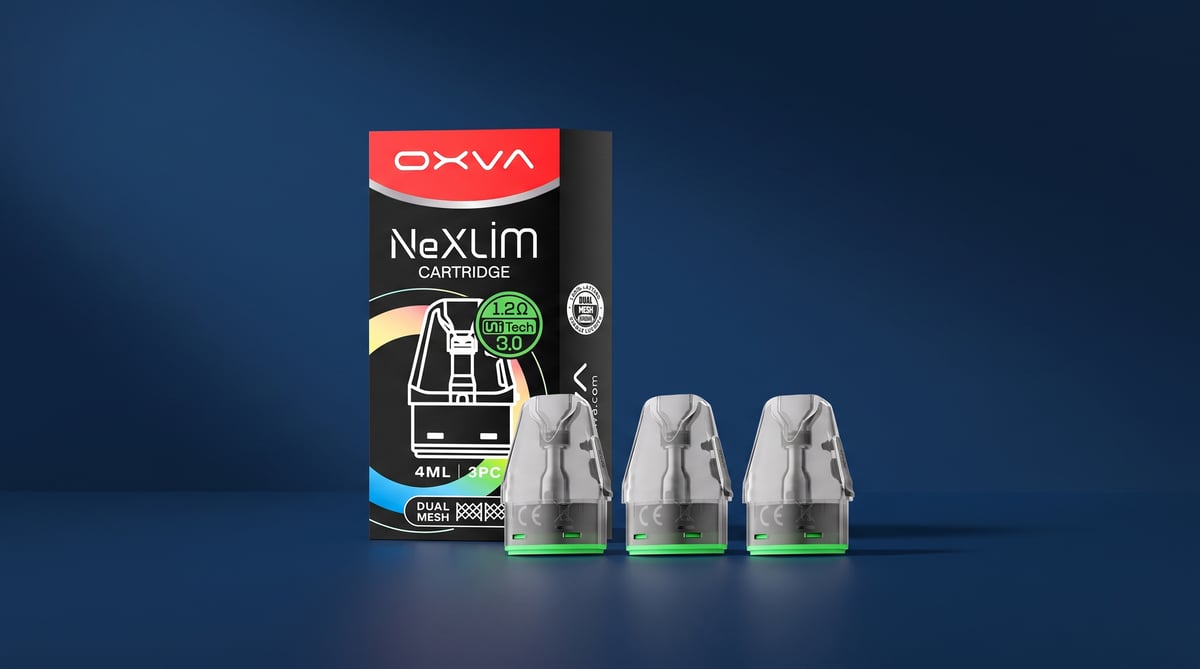
XROS, NeXLIM & XLIM pods are the workhorses. Run on 50/50 salts, most vapers get 7 to 10 days per pod before flavour drops off. Keep the pod topped up and you avoid the dry hits that shorten it.
SMOK & Voopoo (PnP, PnP X)
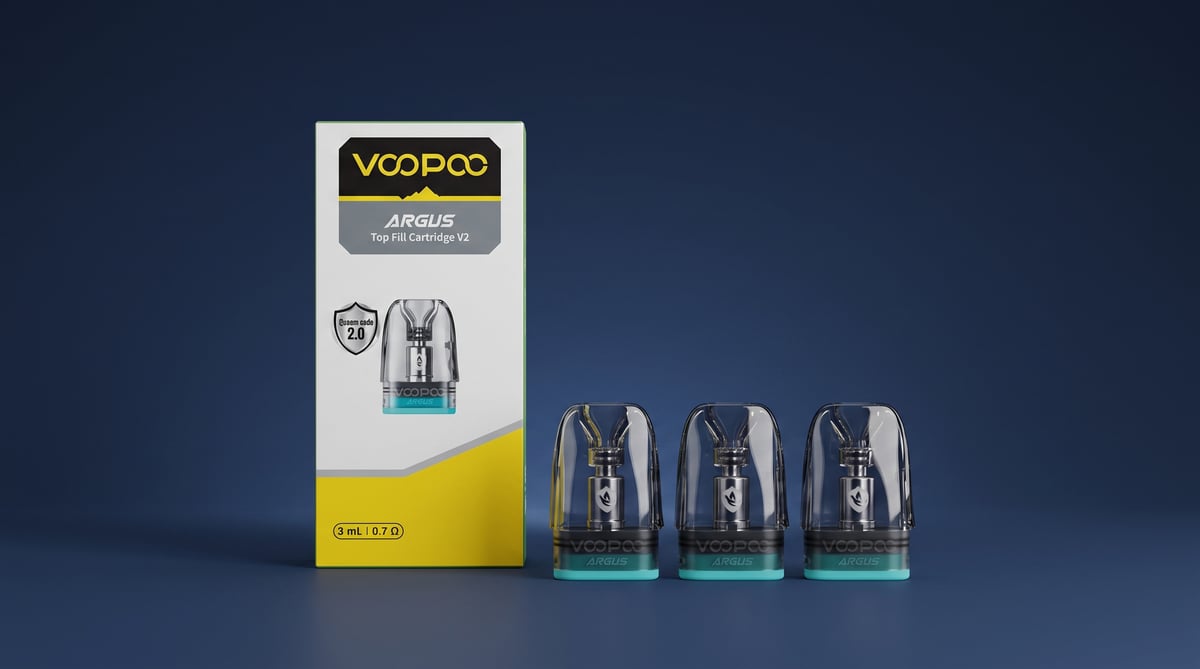
SMOK and Voopoo share a lot of DNA here because Voopoo's PnP coils are the benchmark for pod-mod longevity. The original PnP mesh coils comfortably hit 1 to 2 weeks, and the PnP X range that followed holds up just as well, with the bonus of side-fill pods that reduce leaking.
SMOK's own coils vary more by family. The Nord and Novo lines are the popular ones:
- Novo 4 coils: around 1 to 2 weeks on salts, best kept below their max wattage
- RPM and Nord mesh: roughly a week to ten days at sub-ohm settings
- iSub coils: a few days to a week, as they run hot for cloud-focused DTL
The Nord 6 takes the newer RPM 3 coils, which we have found run cleaner for longer than the older Nord heads.
GeekVape & other popular coils
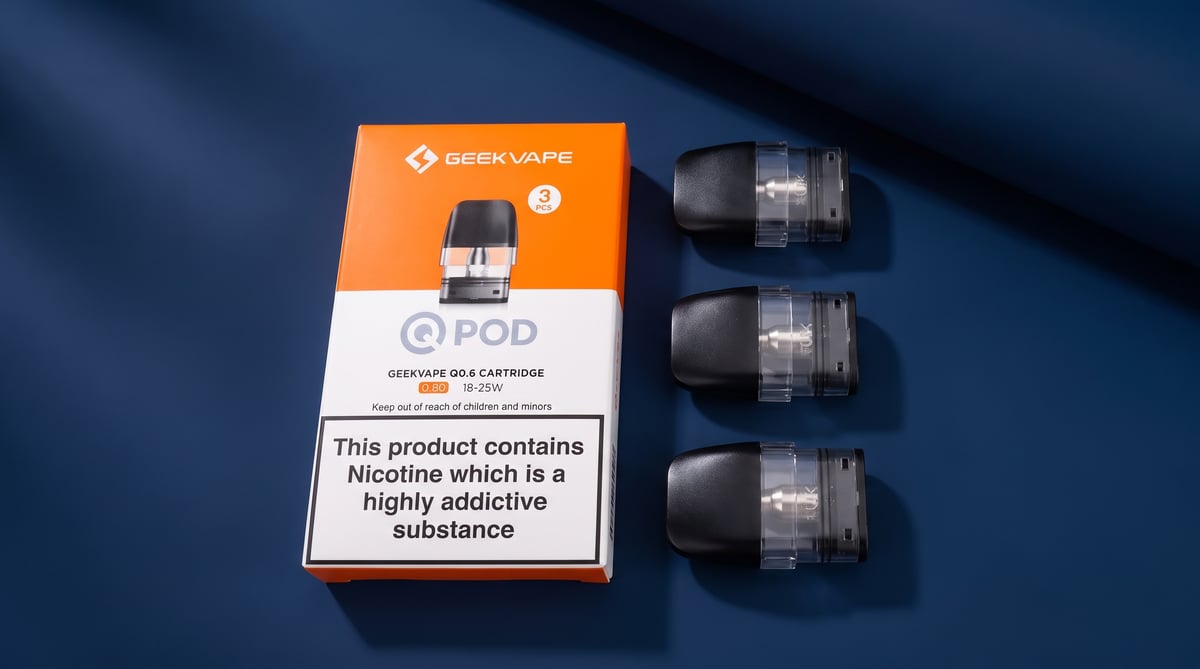
GeekVape coils, chiefly the B-series used in the Aegis tanks, sit right in the middle of the pack at roughly one to two weeks depending on wattage. They handle higher-VG shortfills well, which is where a lot of GeekVape kits get used.
Uwell rounds out the popular pod coils. Caliburn and Nord (Uwell's own Nord kit, not SMOK's) both deliver dependable 7 to 14 day pod life on 50/50 salts, and their tight MTL draw is easy on the wick.
What Kills Coils Early: Sweeteners, Wattage & Chain Vaping
Four things wear a coil out before its time, and generally you can control them. Get these right and you stretch every coil to its full life. Get them wrong and you will be swapping coils twice as often as you should.
Sweet e-liquids: the biggest coil killer
Sweetened and dessert flavours are the number one reason coils die early. The sweeteners caramelise on the hot coil and bake a layer of gunk onto the wick and mesh. That crusty residue chokes the wick, starves it of liquid, and taints the flavour with a burnt edge.
Custards, fruit sherbets, jam and doughnut profiles are the worst offenders. Menthols and light fruits run far cleaner. If you live on sweet e-liquids, expect a coil to last days rather than weeks, and stock spares accordingly.
If you want to work out which flavours are hardest on your setup, our E-Liquid Explained: The Complete UK Guide breaks down what is actually in the bottle.
Running the wrong wattage
Every coil has a rated wattage range printed on the side or the box. Push past the top of that range and you burn the wick faster than the liquid can feed it. The result is a scorched taste and a coil that is done in days.
- Run inside the rated range, ideally the lower two thirds
- More watts means more heat, more heat means more wick wear
- If the flavour tastes harsh or singed, drop the power before you write off the coil
Underpowering is less damaging but still worth avoiding, since a weak, cool vape often tempts you into longer, harder pulls that dry the wick out.
Chain vaping and dry hits
Chain vaping is puff after puff with no pause. The wick needs a few seconds to draw fresh liquid back in between pulls. Vape faster than it can re-saturate and you are firing a coil on a half-dry wick, which scorches the cotton and leaves that unmistakable burnt taste.
Give the wick a breather. A short gap between pulls lets the liquid soak back into the wick and keeps the coil running clean. This matters most on smaller MTL pods, where the wick is tiny and re-saturates slower than a big sub-ohm mesh coil.
High-VG liquid and gunking
High-VG liquid is thicker than a 50/50 blend, and thicker liquid does not wick as freely. In a low-wattage MTL pod it can gunk the coil faster and struggle to keep the wick fed, which brings on dry hits.
The fix is matching the liquid to the coil rather than fighting it:
- 50/50 salts for MTL pods and higher-ohm coils
- 70/30 shortfills for sub-ohm mesh coils that can handle the thicker juice
Get that pairing wrong and you will chew through coils either way. Our How To Match E-Liquid To Your Coil guide walks you through the right VG ratio for the coil you are running.
Signs Your Coil Needs Changing (Early, Mid & Late Life)
A coil rarely dies all at once. It fades through stages, and if you know what each one tastes and sounds like, you can swap it at the right moment instead of pushing through a horrible burnt pull. We vape every day and we test what we sell, so we have learned to read the warning signs early.
Burnt or muted flavour
Flavour is your best diagnostic tool, and it degrades in two clear steps.
- Muted or flat flavour is the mid-life signal. The e-liquid still tastes right, just weaker and duller than day one. This is gunk building up on the wick and mesh, dampening the flavour before anything goes properly wrong.
- A burnt or acrid taste is the clearest end-of-life signal there is. Once you catch that dry, scorched note on the inhale, the wick has run out of clean cotton to soak. No amount of resting the coil brings it back.
If you are getting a burnt taste on a brand new coil rather than an old one, that is usually a priming problem, not a dead coil. Have a read of our guide on How to Prime a Vape Coil / Pod before you write it off.
Gurgling, leaking and spitback
Not every failing coil tastes wrong first. Sometimes it announces itself through the sound and the mess.
- Gurgling on the inhale means liquid is pooling where it should not, often because the wick has degraded and can no longer pull juice through evenly.
- Leaking around the base or airflow points to a flooded or failing coil that has lost its seal or its ability to keep up with your vaping.
- Spitback, those tiny hot droplets on the inhale, is another flooding tell.
A flooded coil is worth troubleshooting before you bin it. Give it a few minutes upright, take a couple of gentle priming puffs, and see if it settles. If the gurgling persists after that, the coil is on its way out.
Reduced vapour and warning by usage stage
Vapour production drops off as a coil ages. A tired coil pushes noticeably less vapour at the same wattage, and you find yourself chasing bigger pulls to get the same hit. Combine that with weak flavour and you have your answer.
Here is how the symptoms tend to map across a coil's life, so you know roughly where you are:
- Early life (fresh coil): clean, full flavour, healthy vapour, no gurgling. If you get a burnt hit here, it is priming, not the coil.
- Mid life: flavour starts going flat or muted, vapour is slightly down, everything still works but the sparkle has gone. This is your heads-up to have a spare ready.
- Late life: burnt or acrid taste, gurgling or leaking, and a clear drop in vapour. Change it now, there is nothing left to recover.
The staged approach matters because most people wait for the burnt pull before acting. Catch it at the muted-flavour stage instead and you skip the worst part entirely.
How To Make Vape Coils Last Longer
Coil life is mostly in your hands. The wattage you run, the liquid you fill it with and the way you draw all add up to weeks of extra life from the same coil. Here is what actually works, in order of how much difference it makes.
Prime every new coil properly
Priming is the single biggest thing you can do to make a coil last longer, and it costs nothing. A dry wick that hits full heat on the first pull scorches instantly, and once cotton is burnt there is no coming back.
In our own testing, priming a mesh coil for a good five minutes before the first pull is the single biggest thing that stops a burnt first hit. To prime properly:
- Drip a few drops of e-liquid directly onto the exposed wick holes until the cotton looks saturated.
- Fill the tank or pod and leave it standing for at least five minutes, longer for high-VG shortfills.
- Take two or three gentle pulls with no fire, then start low and build up.
Full walkthrough here: How to Prime a Vape Coil / Pod.
Vape within the rated wattage
Every coil has a wattage range printed on the side, and it is there for a reason. Push past it and you vaporise liquid faster than the wick can pull fresh juice through, which dries the cotton and burns it out early.
Stay in the band. If a 0.6 ohm mesh coil says 20 to 30W, sitting at 25W will outlast running it flat at 30W. Chain vaping does the same damage from the other direction, so give the wick a few seconds to re-saturate between draws instead of firing back to back.
Choose lower-sweetener e-liquids
Sweetener is the number one cause of gunk. The sugars caramelise on the coil, coat the wick and mesh, and choke off both flavour and vapour long before the coil has actually failed. Heavily sweetened dessert and sweet fruit liquids can halve the life you would get from a cleaner menthol or tobacco.
Switching to less sweetened liquids noticeably slows gunking. You do not have to give up flavour entirely, but if you are burning through coils every few days, the liquid is usually the culprit. Rotate a lighter blend into the mix and you will see the difference in how long the wick stays clean.
Take slower draws and top up before empty
How you inhale matters. Long, slow draws let the wick keep pace and keep the coil evenly wetted. Short, sharp pulls, especially on an MTL setup, can pull ahead of the wicking and create dry spots. If you are not sure which style your kit suits, have a look at Vaping Styles Explained: MTL vs DTL vs RDTL.
Never let the tank or pod run dry. Vaping on low liquid is the fastest way to a dry hit, and one bad dry hit can finish a coil on its own. Top up when you hit roughly a quarter full and the wick stays saturated all day.
Do Mesh & Higher-Ohm Coils Last Longer?
Yes, on both counts, and it comes down to how the heat spreads. Mesh and higher-resistance coils both run cooler and more evenly than the alternatives, and that even heat is what keeps a coil alive longer. Here is how the different builds actually compare when you vape them day to day.
Mesh vs traditional wire coils
Mesh wins for most vapers, and it is what we reach for. A mesh coil is a single perforated sheet rather than a length of round wire wound into a spring. That flat surface heats up faster and, crucially, more evenly across the whole wick.
- Even heat means fewer hot spots. Round-wire coils get hotter at the tightest part of the wind, which is where the cotton scorches first.
- Better flavour, especially early on. More surface area in contact with your e-liquid gives a cleaner, fuller taste on the exhale.
- Longer life, all else equal. Because no single point takes all the punishment, mesh tends to gunk up more gradually than old-school wire.
Across the mesh coils we stock, 0.8 ohm pods are the sweet spot most of our customers settle on for 50/50 salts. That build gives you the even heat of mesh without the thirst of a proper sub-ohm setup.
Higher vs lower resistance (ohm) lifespan
Higher-ohm coils generally last longer. The logic is straightforward: higher resistance means lower wattage, lower wattage means less heat, and less heat means the coil cooks its wick and residue more slowly.
- MTL coils (1.0 ohm and above) run cool, sip liquid, and often outlast a sub-ohm coil by a fair margin. A mouth-to-lung setup can push past two weeks comfortably.
- Sub-ohm coils (under 0.6 ohm) run hot and pull liquid fast, so they burn through faster, sometimes in under a week if you are chain vaping.
If coil longevity is your priority, an MTL pod on 50/50 will give you the most vaping between changes. If you want clouds and flavour volume, you accept shorter coil life as part of the deal. Not sure which camp your kit sits in? Our Vape Devices Explained: Coils, Tanks, Batteries & Pod Kits guide breaks down where each style fits.
Kanthal, stainless steel & nickel
Most guides skip the metal entirely, which is a shame because it explains a lot about how a coil behaves. Nearly every pre-made coil you will buy in the UK uses one of three wire materials.
- Kanthal. The workhorse. Cheap, tough, holds its shape well, and simple to fire on standard wattage mode. Most stock coils are kanthal, and it takes heat abuse better than the softer metals, so it tends to age gracefully rather than fail suddenly.
- Stainless steel (SS). A common step up, run in either wattage or temperature control. It ramps a touch quicker than kanthal and gives a crisp flavour, though it is slightly softer.
- Nickel (Ni200). Built purely for temperature control mode, never for standard wattage. Fire nickel on a normal wattage setting and you can overheat it, so most pod-kit vapers will not touch it.
The material matters less than the resistance and the mesh-versus-wire question for how long a coil lasts, but it shapes the vape. For refillable pods and sub-ohm tanks, kanthal and stainless mesh are what you will meet most, and both are perfectly good if you prime them properly and keep the wattage sensible.
Coil Cost Per Week
Nobody talks about what a coil actually costs you per week, which is odd, because it is the number that decides whether refillable vaping is worth the faff. The maths is simple: take the coil price, divide by how many weeks it lasts, and you have your true running cost. A £2.50 coil that runs a fortnight costs you £1.25 a week in coils. That is it.
Most single coils sit between £1.50 and £3.50 depending on brand and whether they come in a three or five pack. Buying in packs brings the per-coil price down, so we always price it out per unit before we work anything out.
Cost per coil vs weeks of use
Two vapers can pay the same for a coil and end up with wildly different weekly costs. Lifespan is the variable that matters, not the sticker price.
- A £2.50 pod coil lasting 2 weeks: £1.25 per week
- The same coil lasting 1 week (heavy use, sweet liquids): £2.50 per week
- A £3 sub-ohm mesh coil lasting 10 days: roughly £2.10 per week
Push a coil hard with dark, sweet shortfills and you can halve its life, which quietly doubles your weekly spend. This is why the longevity tips earlier in this guide pay for themselves.
Sub-ohm vs pod coil economics
Sub-ohm and pod coils play by different rules. Here is roughly how the three main styles shake out per month, based on what we see across our own vaping and our customers' reorder patterns.
Light MTL (refillable pod) Around 2 coils a month. Steady 50/50 salts, moderate wattage. Est. monthly coil cost: £3 to £5
Heavy MTL / all-day pod Around 3 to 4 coils a month. Higher use, some sweeter flavours. Est. monthly coil cost: £5 to £9
Sub-ohm / DTL tank Around 4 to 6 coils a month. Higher-VG shortfills, mesh burns through wick faster. Est. monthly coil cost: £10 to £16
Pod coils win on economy for most people. Sub-ohm mesh throws better flavour and vapour, but you pay for it in coils, and sweeteners chew through them quicker. If you run a tank in the evenings like we do, budget accordingly.
How coil cost compares to disposables
Even a heavy sub-ohm setup at £16 a month in coils undercuts a disposable habit comfortably. A single big-puff disposable costs a few pounds and lasts one person a day or two, so a week of disposables often outruns a full month of refillable coils on its own.
Across the board, refillable coil systems undercut disposables per week of use, and that gap only widens once you factor in liquid bought in 100ml shortfills rather than pre-filled pods. It is the same story that runs through the full Vaping vs Smoking: Cost & Health Comparison (2026), and coil economics are exactly why the switch stacks up.
If you are still on disposables and weighing it up, our How To Switch From Disposables To Reusable Vapes guide walks through the kit and the sums. We have seen more switchers make that move since the 2026 duty landed, and coil cost per week is usually the number that convinces them.
Coil Storage & Shelf Life: Do Spare Coils Go Off?
A sealed spare coil will keep for a long time, but where and how you store it matters more than people think. Buy a five-pack, and how you look after the four sitting in the drawer decides whether coil four fires as cleanly as coil one.
How to store spare coils
Keep spares in a cool, dry place, away from direct heat and humidity. That means not on a sunny windowsill, not in the bathroom, and not in a car glovebox through summer.
Practical storage that works:
- Leave coils in their sealed packaging until you need them.
- Pick a drawer or cupboard at room temperature.
- Keep them clear of radiators, cookers and anywhere steamy.
- Store the box upright so the coils are not rattling loose.
Most branded coils come sealed in individual blister packs or a plastic tube for a reason. That seal is doing a job, so there is no benefit to opening the lot at once.
Do coils have an expiry?
Coils do not expire the way e-liquid does. There is no hard date after which a sealed coil stops working. The metal mesh or wire is stable, and a coil kept sealed and dry can sit in a drawer for a good long while.
The part that ages is the wick. Most pre-made coils use organic cotton, and cotton is not immune to time. Over months and years, two things can quietly work against it:
- Oxidation on exposed metal if the seal is broken and air gets in.
- Moisture creeping into the cotton, which can leave a spare feeling less crisp on its first fill.
None of this happens overnight. A sealed coil bought this year will be fine next year. The trouble starts when coils are stored loose, opened early, or left somewhere damp for a long stretch.
Temperature and humidity effects
This is the angle almost no one covers, and it applies to coils in use as much as coils in storage. Heat degrades a coil. A pod kit left baking in a hot car or on a dashboard in July is not doing your coil any favours, and you may notice the flavour drops off sooner than usual after a spell like that.
Humidity is the other one to watch. Damp air over time can affect the cotton in an unsealed spare before it ever touches your tank. If you live somewhere that gets muggy, keeping coils sealed until use is doubly worth it.
A couple of things to keep straight:
- Storage heat shortens the shelf life of the wick over months.
- In-use heat, from a hot day or heavy chain vaping, degrades a coil that is already fitted and firing.
We run refillable pod kits day to day and sub-ohm tanks in the evenings, so we get through coils steadily and rarely have a spare sitting long enough to worry. If you buy in bulk, store sensibly and you will get the full life out of every one. For the wider rules on buying, storing and handling your kit safely, our UK Vaping Laws, Safety & Compliance: The Complete 2026 Guide covers the ground.
Frequently Asked Questions
Most vapers get 7 to 21 days out of a coil before it needs swapping. Where you land in that range depends on the coil type, the wattage you're running, the e-liquid you use and how often you're vaping. Heavy chain vapers on sweeter juices will be at the shorter end, while occasional MTL vapers on simpler liquids can push past the fortnight mark.
Mesh coils and higher-ohm MTL coils tend to go the distance best, thanks to more even heating and lower operating temperatures. That said, running any coil within its rated wattage range matters far more than which brand's name is printed on the box. Push a coil too hard and even the best mesh build will burn out early.
Always prime a new coil properly before firing it, saturating the wicking ports and giving it a few minutes to soak. Beyond that, stick to the rated wattage, avoid chain vaping that stops the wick rewetting, and lean towards e-liquids with less added sweetener, as sugars caramelise on the coil and shorten its life. These habits together can add real days to your coil's usable life.
Vaporesso's GTX and XROS coils typically run for 1 to 2 weeks under normal use. Sweeter e-liquids and higher wattage settings will bring that lifespan down, so if you're chasing longevity, dial the power back within Vaporesso's recommended range and pick cleaner-tasting juices. Flavour dulling is your cue that a change is due, regardless of the calendar.
SMOK and Voopoo PnP coils generally last around 1 to 3 weeks with regular use. Sub-ohm SMOK coils run hotter, so they're often used up faster than MTL-style pods from either brand, which sip power at lower wattage. If you're vaping high-VG liquid through a sub-ohm SMOK setup, expect to be nearer the shorter end of that window.
Yes, mesh coils generally outlast traditional round-wire coils. The larger surface area heats more evenly, which reduces hot spots that cause premature burning and lets the wick keep up with vapour production. As a bonus, mesh builds tend to hold their flavour quality for longer too, rather than tailing off a few days before the coil actually dies.
Generally yes, higher-ohm MTL coils run cooler at lower power and this can extend their working life compared with sub-ohm setups. Lower-ohm coils are built for bigger vapour and flavour output at higher wattage, which means they heat harder and burn through wicking material faster. If longevity matters more to you than cloud size, an MTL coil is the safer bet.
Burnt or noticeably muted flavour is the clearest sign your coil's finished, and it's not something you can fix by turning the wattage up. Gurgling, unexpected leaking or a drop in vapour production are the other tell-tale signs worth acting on straight away. Once any of these show up, swap the coil rather than pushing on, as a dying coil won't recover on its own.
About the author

Related guides
How to Prime a Vape Coil / Pod
Priming a vape coil or pod stops a burnt first hit. Our step-by-step guide covers coils, sealed pods, wait times and specifics for popular beginner kits.
What Are Nic Salts? Nicotine Salts vs Freebase E-Liquid
What are nic salts? Learn how they differ from freebase, which strength and coil suit you, and how to get a smooth, satisfying hit.
Understanding VG & PG in E-Liquid: The Complete Ratio Guide
Understanding VG and PG in e-liquid: what each does, which ratio suits your device, plus fixes for dry hits, leaking and burnt coils.