How To Choose The Right E-Liquid Strength

Choosing the right lliquid is pretty easy these days, just match the mg/ml to your old smoking habit or disposables and to your device. Pod kits want higher-strength nic salts (10-20mg), while sub-ohm tanks want low-mg freebase (3-6mg).
This guide walks through how to choose the right e-liquid strength, from reading the label and the UK's 20mg legal cap to matching salts or freebase against your coil and airflow. Get the pairing right and you get a smooth, satisfying hit every time, get it wrong and you're either chasing nicotine or coughing through harsh throat hits.
What mg/ml Numbers Mean
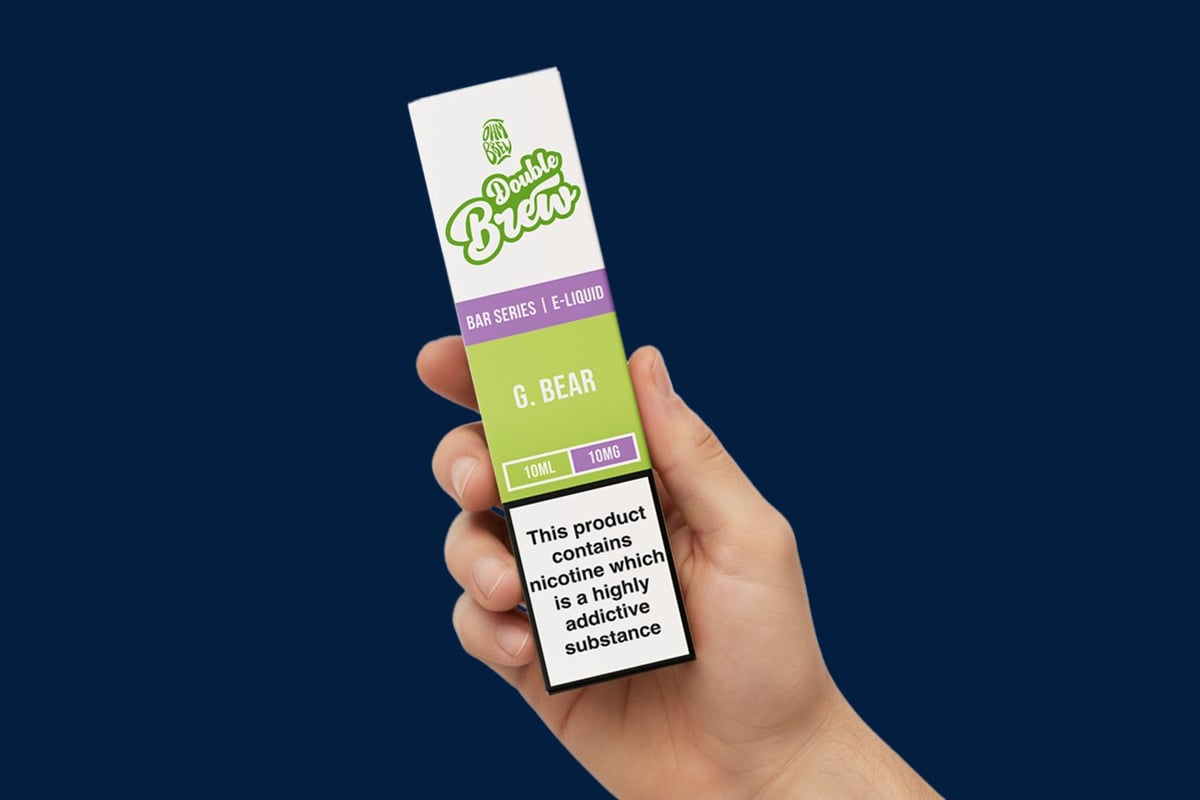
The number on your e-liquid bottle tells you how much nicotine is in it, measured in milligrams per millilitre. A 12mg/ml juice holds 12mg of nicotine in every 1ml of liquid. Higher number, more nicotine, stronger throat hit.
That single figure drives most of your buying decisions, so it pays to read it properly before anything else.
Reading the label: mg/ml vs percentage
You will see strength written two ways, and they mean the same thing:
- mg/ml (milligrams per millilitre): the traditional format, e.g. 6mg, 12mg, 18mg
- Percentage (%): now common on pods and disposables, e.g. 2%
The conversion is simple. Divide the mg figure by 10 to get the percentage.
- 3mg/ml = 0.3%
- 6mg/ml = 0.6%
- 10mg/ml = 1%
- 12mg/ml = 1.2%
- 18mg/ml = 1.8%
- 20mg/ml = 2%
Those six are the common strengths you will actually find on the shelf. Freebase shortfills tend to sit at the lower end (3mg and 6mg), while nic salts run higher (10mg and 20mg), for reasons we get into in the next section.
UK legal maximum strength
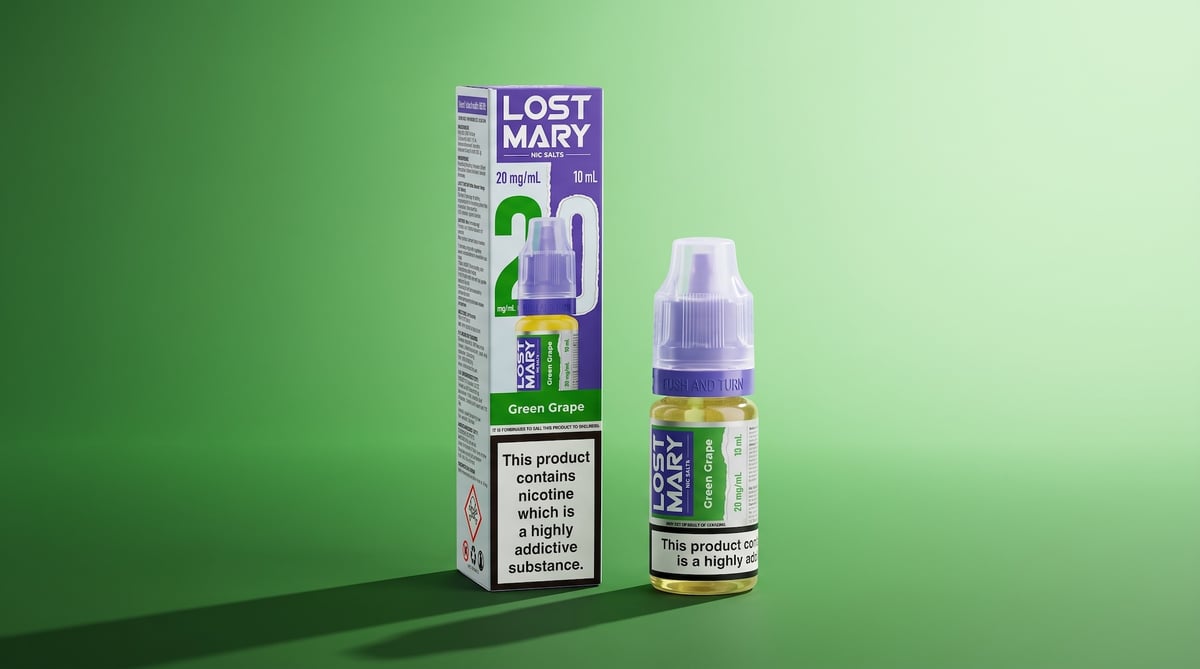
Nicotine e-liquid sold in the UK is capped at 20mg/ml (2%) under the TRPR (Tobacco and Related Products Regulations), learn more in our UK Vaping Laws, Safety & Compliance hub, and any pre-filled bottle of nicotine liquid is limited to 10ml under the same rules. Larger nicotine-free shortfills exist, but you add the nicotine yourself with a nic shot to bring it down to a legal strength.
For a look at what actually goes into the bottle, from VG/PG ratios to flavourings, have a read of our E-Liquid Explained: The Complete UK Guide.
Freebase vs Salts: Which Strength Type You Need
The type of nicotine you buy matters as much as the number on the bottle. Freebase and nicotine salt use the same nicotine, but they behave differently on the inhale, which changes what strength suits you.
Get this call right first, then the mg/ml choice falls into place.
Nicotine salt e-liquid strength
Nic salts are made for higher strengths in low-power kits. They run at 10mg and 20mg on the shelf, and that 20mg is the UK legal ceiling under the TRPR.
- Typical strengths: 10mg and 20mg
- Best in: refillable pod kits and MTL devices
- Throat hit: smooth, even at 20mg
- Absorption: faster, so cravings settle quicker
Tip
We run refillable pod kits day to day, and salts are what we reach for in them. If you have recently made the switch and want quick craving relief without a harsh hit, this is usually the right starting point.
Freebase strength ranges
Freebase is the traditional nicotine, and it shines at lower strengths in higher-power gear. Push freebase past 12mg and the throat hit gets aggressive fast, which is why you rarely see it above that in normal use.
- Typical strengths: 3mg, 6mg, 12mg
- Best in: sub-ohm tanks and higher-VG shortfills
- Throat hit: sharper, more pronounced as strength climbs
- Absorption: slower and steadier
Most 100ml shortfills are freebase at 3mg once you add a nic shot, which is where our evening sub-ohm vaping lives.
Why salts feel smoother at high mg
Nic salts are treated to lower the pH of the e-liquid, which takes the edge off the throat hit. That is why 20mg salt on a pod feels gentler than 12mg freebase on a sub-ohm tank, despite the higher number.
The trade-off is where each one belongs. Salts at high strength suit tight, low-power draws; freebase at low strength suits airy, high-power clouds. Put a 20mg salt through a sub-ohm coil and you will get far too much nicotine per puff, so device and nicotine type need to match. For the full picture, see How To Match E-Liquid To Your Coil.
Nicotine Salts
- Throat hit: smooth, gentle even at 20mg
- Best strengths: 10mg, 20mg
- Best device: refillable pod kits, MTL
- Absorption: fast, quicker craving relief
Freebase
- Throat hit: sharper, builds with strength
- Best strengths: 3mg, 6mg, 12mg
- Best device: sub-ohm tanks, higher-VG shortfills
- Absorption: slower, steadier
What Strength Should A Beginner Choose By Habit
Your old cigarette habit is the best starting point for picking a nicotine strength. Not an exact science, but a sound rule of thumb: the more you smoked, the more nicotine you will want in your e-liquid at first.
One thing most beginners miss: how soon after waking you reached for a cigarette matters as much as how many you got through. If you were lighting up within a few minutes of your eyes opening, you had a heavier nicotine habit than the daily count alone suggests, and you should lean towards the higher end of the ranges below.
PG/VG ratio plays a part too. A higher-PG liquid (a 50/50, say) carries nicotine more sharply and gives a firmer throat hit, so the same mg feels stronger than it would in a high-VG shortfill. That is why 50/50 salts at 10 or 20mg suit pod kits, while sub-ohm juices sit far lower. If you want the full picture on ratios, our Beginners' Guide to Vaping breaks it down alongside kit choice.
Light smokers (under 10/day)
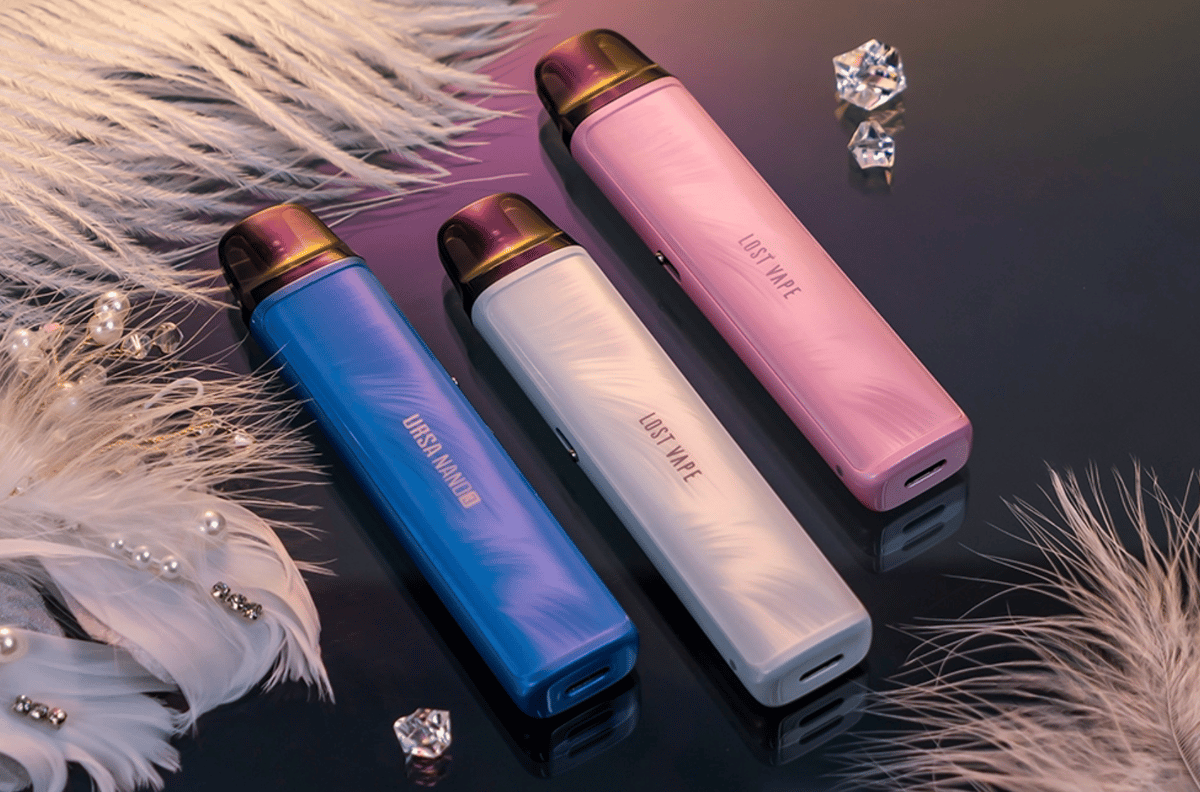
If you smoked fewer than 10 a day, or you rolled thin, start around 6-10mg. A 10mg (sometimes labelled 1%) nic salt in a refillable pod is the comfortable middle ground for most light smokers we speak to. Go too high and you will get a harsh throat hit and a slightly queasy head rush.
Moderate smokers (10-20/day)
A pack-a-day habit usually lands well on 10-12mg salts in a pod kit. If 10mg leaves you reaching for the vape constantly, step up to 20mg rather than chain-vaping the lower strength. The 0.8 ohm pods most of our customers settle on pair nicely with 50/50 salts at this level.
Heavy smokers (20+/day)
Twenty-plus a day, or an early-morning smoker? Start at 18-20mg nic salts. Under the TRPR, 20mg/ml is the legal ceiling for nicotine e-liquid in the UK, so that is as strong as it gets in a compliant bottle. Salts are the sensible choice here because they deliver that hit smoothly without the throat scratch you would get from 20mg freebase.
Cigarette-to-vape conversion chart
Light smoker Under 10/day, or a late-morning starter. Suggested strength: 6-10mg nic salt. Device: refillable pod kit, 50/50 liquid.
Moderate smoker Roughly 10-20/day. Suggested strength: 10-12mg nic salt, step to 20mg if needed. Device: pod kit with a 0.8 ohm coil.
Heavy smoker 20+/day, or an early-morning smoker. Suggested strength: 18-20mg nic salt. Device: pod kit, 50/50 salts (20mg is the UK legal max).
Note
Sub-ohm from the off?
Not our recommendation for day one. If you do run a tank, drop right down to 3-6mg freebase in a high-VG shortfill, or the throat hit will floor you.
Not sure which kit matches the strength you have landed on? How To Choose Your First Vape Kit walks you through the hardware side so the two decisions line up.
Match Strength To Your Device: Pods, MTL & Sub-Ohm
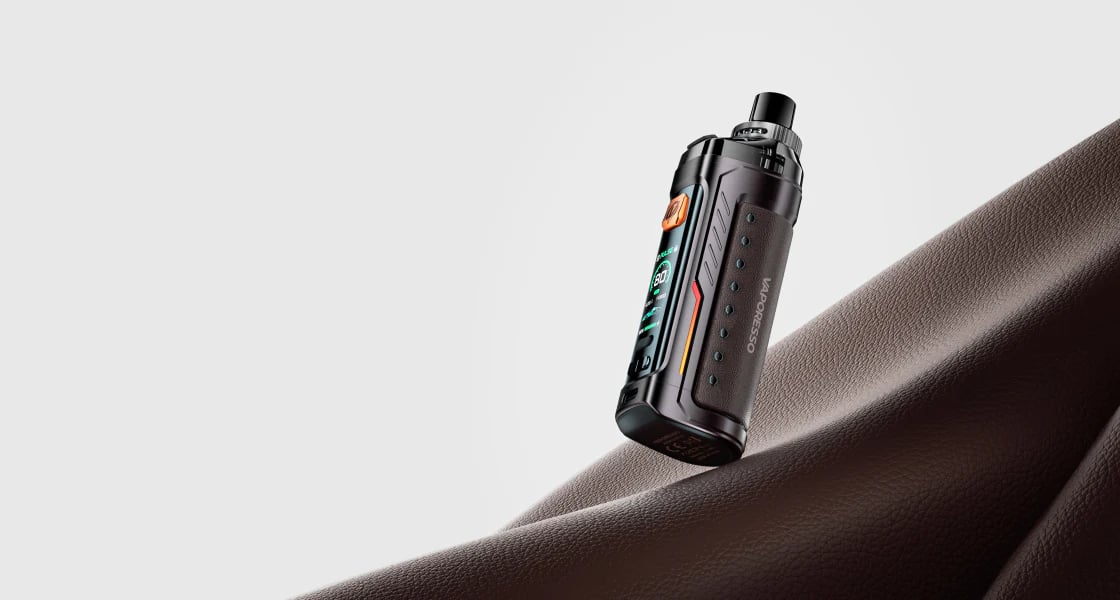
Your device decides your strength as much as your smoking history does. Get the pairing right and every puff delivers a satisfying hit without harshness. Get it wrong and you either chase nicotine all day or cough your way through a session that hits far too hard.
The rule is simple: low-power devices take high-mg liquid, high-power devices take low-mg liquid. If you are new to the hardware side, our Vape Devices Explained guide walks through the categories in plain terms.
Pod kits and MTL: higher mg
Low-power pod kits and MTL (mouth-to-lung) devices run tight airflow and modest vapour, so they suit higher-strength nicotine salts. This is the setup most switchers land on, and for good reason.
- Refillable pod kits: 10mg to 20mg salts, depending on how heavy your old habit was
- MTL tanks: 12mg to 20mg salts, or higher-mg freebase if you prefer a firmer throat hit
- Coil range: typically above 1.0 ohm, sometimes higher
The XROS 5 is a solid example of a pod kit built for exactly this: tight draw, 0.6 to 1.0 ohm coils, and nic salts that keep pace with what you actually need.
Sub-ohm devices: lower mg
Sub-ohm tanks push serious vapour through low-resistance mesh coils, and that changes everything. Each puff delivers far more liquid, so the nicotine adds up fast.
- Sub-ohm tanks: 3mg to 6mg freebase, high-VG shortfills
- Coil range: below 1.0 ohm, often 0.15 to 0.4 ohm
- Draw style: direct-to-lung, big open airflow
Never run a 20mg salt in a sub-ohm tank. The volume of vapour means you would take in a huge nicotine dose per puff, and it will feel horrible. Coil resistance and airflow both change how much nicotine each puff actually delivers, which is why manufacturer coil specs matter when you pick a strength.
Why the wrong pairing feels wrong
If your device and strength are mismatched, your body tells you quickly.
- Too high in a sub-ohm tank: harsh throat, lightheadedness, headache, that queasy over-nicotined feeling
- Too low in a pod kit: constant vaping, never quite satisfied, drifting back toward old habits
Refillable pod kit Recommended: 10-20mg nic salt Coils typically above 0.6 ohm, tight airflow. Example: XROS 5. The everyday workhorse for most switchers.
MTL tank Recommended: 12-20mg salt or 12-18mg freebase Above 1.0 ohm, cigarette-style draw. Suits anyone wanting a firm throat hit on a simpler mod.
Sub-ohm tank Recommended: 3-6mg freebase shortfill Below 1.0 ohm mesh, big DTL clouds. Higher VG for flavour and vapour. Low mg is non-negotiable here.
We run refillable pod kits day to day and sub-ohm tanks in the evenings, so we mix salts and shortfills in roughly equal measure. Once you match strength to hardware properly, the whole thing settles into place.
How To Taper Down: A Step-By-Step Nicotine Reduction Plan
Reducing nicotine works best slowly, and only once your current strength feels comfortable. Drop too soon and you will find yourself reaching for the device more often, which defeats the point. Team members who have stepped their own strength down over time all did it the same way: one level at a time, with weeks between each drop, never in a rush.
A week-by-week reduction schedule
Hold each strength until cravings have properly settled before you go lower. As a rough guide, drop one level every 4 to 6 weeks:
- Weeks 1-4: Stay on your current strength. Let it become boring and predictable. No reaching for it more than usual.
- Weeks 5-6: Once you are steady, drop one level (say 12mg down to 6mg on salts, or 6mg to 3mg on freebase).
- Repeat: Sit on the new strength for another 4 to 6 weeks before considering the next drop.
The mistake we see most often is people chasing the next number too quickly. There's no need to rush a reduction, doing so usually means bouncing back up. Let your body set the pace.
Blending two strengths to hit in-between levels
The jumps between off-the-shelf strengths can feel steep, especially the drop from 12mg to 6mg. You do not have to live with that. Mix two bottles to create your own in-between step.
Combine equal parts of two strengths in an empty bottle and you land halfway between them:
- 12mg + 6mg, mixed 50/50, gives you roughly 9mg
- 6mg + 3mg, mixed 50/50, gives you roughly 4.5mg
- 3mg + 0mg (a nic-free shortfill), mixed 50/50, gives you roughly 1.5mg
Shake it well, let it settle, and you have a custom strength for the price of two standard bottles. This works with matching flavours and VG/PG ratios so nothing else about the vape changes. It is the way we know to smooth out an otherwise awkward step down, and it keeps the throat hit gradual rather than sudden.
When to hold vs drop a level
Watch how often you are actually vaping. If you have dropped a level and suddenly you are pulling on the device far more than before, or chain-vaping to feel satisfied, that is your body telling you the new strength is too low. Step back up to where you were, sit there a few more weeks, then try again.
Hold at your current level if:
- You find yourself vaping noticeably more since the last drop
- Cravings are creeping back or you feel restless
- The previous week or two felt hard rather than routine
Drop a level only when:
- Your current strength feels comfortable and unremarkable
- Your vaping frequency has been steady for a few weeks
- You are not clock-watching for the next puff
There is no shame in holding a strength for months, or staying put entirely. The goal is a level that feels comfortable for you, not a race to the lowest number.
If you also use pouches alongside your vape, the same slow-and-steady logic applies there too. Have a look at our How To Choose The Right Nicotine Pouch Strength guide for the pouch-specific numbers.
Signs You Picked The Wrong Strength And How To Fix It
Your body tells you fast when the mg is off. A strength that fights you on every pull is too high; one you never feel is too low. Both are easy to sort once you know what to look for.
Too high: headaches, nausea, dizziness
The NHS notes that taking in more nicotine than your body needs can bring on a range of unpleasant symptoms. Watch for:
- A dull headache that builds over an hour or two of vaping
- Mild nausea or a queasy stomach
- Lightheadedness or dizziness, especially standing up
- A harsh, scratchy throat hit that makes you cough
- A racing or fluttery heartbeat
These point to too much nicotine, and they usually kick in quickly on a new bottle or a new device. Drop down a level. If you are on 20mg salts and feeling it, step to 10mg. On freebase, go from 12mg to 6mg and see how you sit. Give it a full day at the new strength before you judge it, and drink some water in the meantime.
Too low: chain vaping, cravings
Too little nicotine is subtler because there is no obvious discomfort, just a nagging sense that you are never quite satisfied. Watch for these e-liquid strength too low symptoms:
- Vaping almost constantly, pull after pull, without feeling settled
- Cravings that linger no matter how much you vape
- Going back to cigarettes to top up
- Getting through your liquid far faster than expected
If you are chain vaping and still not there, step up a level. A switcher on 10mg salts who never feels satisfied is usually better off on 20mg. The right strength should let you put the device down and forget about it for a good stretch.
Flavour changes across strengths
The same juice tastes different at different strengths, and this catches people out. Higher nicotine mutes flavour and adds throat hit, so a punchy 20mg salt can read as sharper and slightly flatter than you expect. Lower mg tastes cleaner and lets the flavour notes come through more clearly on the exhale.
So if your favourite liquid suddenly seems muted after you stepped up the strength, that is the nicotine talking, not a bad batch. And if a flavour tastes harsh or burnt regardless of strength, check the coil before you blame the mg. A dry or worn coil throws everything off, so have a look at How to Prime a Vape Coil / Pod first and rule the hardware out.
Frequently Asked Questions
For nic salts, 10mg suits light-to-moderate smokers (up to around 10 a day), while 20mg is the better fit for heavier smokers using a pod kit. Salts are formulated to feel smoother on the throat than freebase at the same strength, so a higher mg is far more tolerable than you'd expect. This is why 20mg dominates pod systems, it delivers satisfaction without the harshness you'd get from 20mg freebase in a sub-ohm tank.
Strength and VG/PG ratio work as a pair, not separate decisions. High-PG blends like 50/50 suit higher-mg salts in pod kits, since PG carries throat hit and flavour without overwhelming a small device. High-VG juice suits low-mg freebase in sub-ohm tanks, where VG's thicker consistency produces the big, smooth clouds those setups are built for.
Match your starting strength to your previous smoking habit. Light smokers (up to 10 a day) generally do well on 6-10mg, while heavier smokers should look at 18-20mg nic salts to feel properly satisfied from the first puff. We'd always suggest starting slightly higher than you think you need, then tapering down once you're vaping comfortably. Going in too low leads to chain vaping as you chase satisfaction, which burns through e-liquid and coils far faster than necessary.
There's no precise milligram-for-milligram conversion, as nicotine absorption from vaping differs from smoking in both speed and efficiency. What we recommend instead is using your daily cigarette count as a rough starting point, then adjusting the strength up or down based on how satisfied you feel after a few days. If you're still reaching for your device constantly or feeling flat, that's your cue to move up a strength.
Yes, blending equal parts of two strengths gives you a level roughly in between the two. This is a handy trick if your usual shop doesn't stock the exact mg you're after, or if you're gradually tapering down and want finer control than jumping a full strength bracket. Just keep the VG/PG ratios similar between the two bottles so the mix stays consistent in your tank or pod.
Watch for headaches, nausea, dizziness or a throat hit that feels harsh and makes you cough rather than satisfied. These are classic signs you're taking in more nicotine than your body wants in one sitting. If you notice this, drop down one strength level, for example from 20mg to 10mg salts, and see whether things settle within a day or two.
About the author

Related guides
How To Mix Your Own E-Liquid: The Complete UK DIY Guide
Learn how to mix your own e-liquid with exact PG/VG ratios, flavour percentages, steeping times, cost maths and safety tips for UK vapers.
Why Has My Vape Lost Flavour? Vaper's Tongue & 8 Real Fixes
Lost your vape flavour? Learn what vaper's tongue is, how long it lasts, plus 8 tested fixes for coils, wattage, airflow and e-liquid. UK guide.
E-Liquid Steeping: The Complete Guide
How long to steep by flavour, every method ranked for speed vs safety, over-steeping warning signs and UK storage tips. The complete steeping guide.