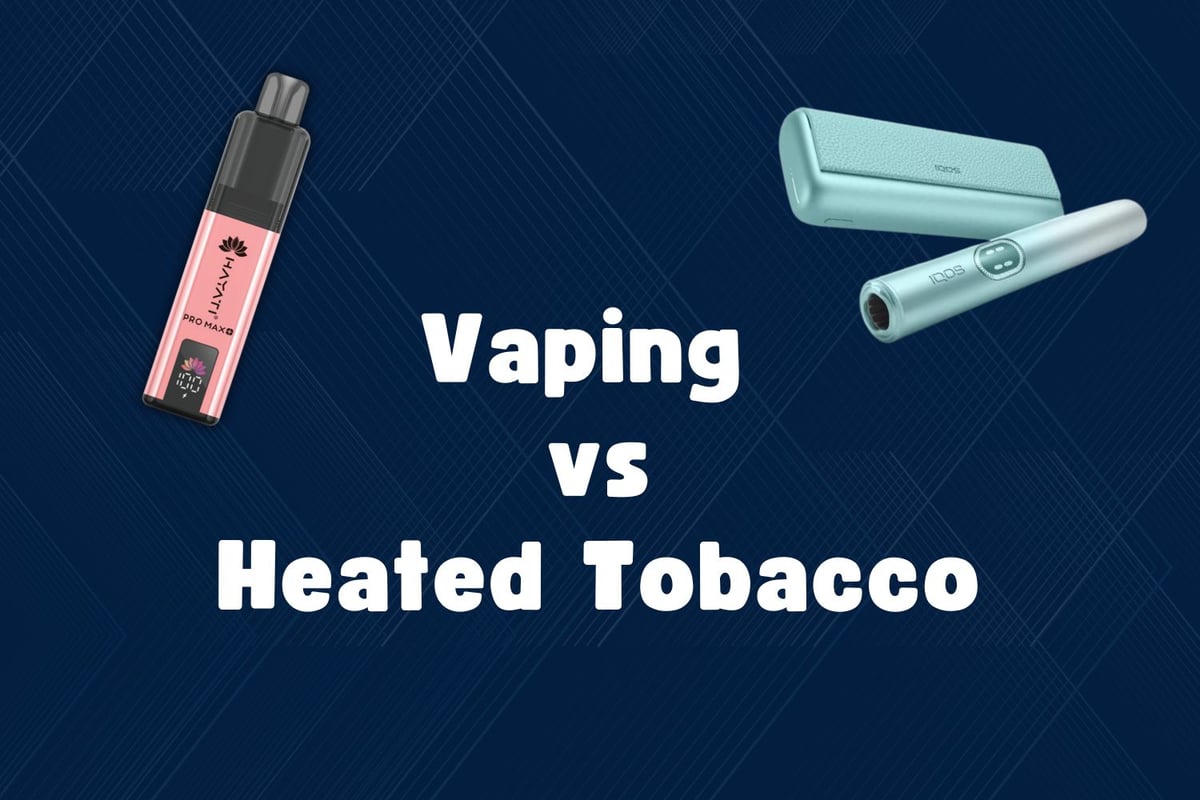
Vaping vs Heated Tobacco

Vaping and heated tobacco are two completly different things. For vapes, a coil vaporises e-liquid and no smoke is produced, while heated tobacco uses a device that warms real tobacco to a high enough temperature to release nicotine and flavour, without complete combusition, reducing the smoke and toxins.
This guide walks through how each works, sets e-liquid against heated tobacco sticks for throat hit and speed, then breaks down the real running costs including the 2026 vape duty. By the end you'll know exactly which fits your habits.
Vaping vs heated tobacco: what's the actual difference?
The core split is simple: a vape heats a liquid, heated tobacco heats a leaf. One never touches tobacco at all. The other warms real, compressed tobacco to just below the point where it would burn. This affects flavour to running cost to how each one behaves on a cold morning at the bus stop.
We run refillable pod kits day to day, sub-ohm tanks in the evenings and nic pouches when we cant vape, so vaping is the side we know inside out. Here is the honest breakdown of both, so you can see where they actually differ before you commit.
How vaping works
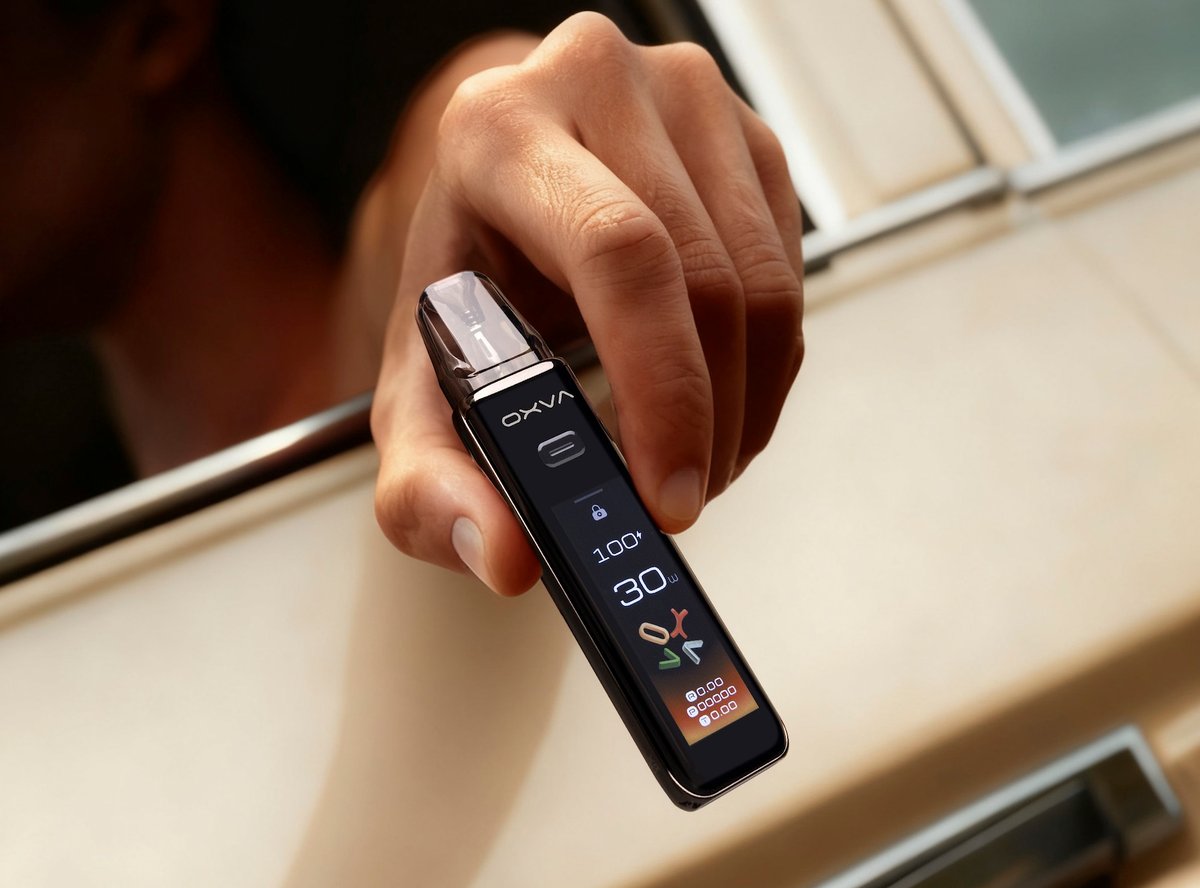
A vape heats e-liquid on a coil until it turns into an inhalable aerosol. No tobacco leaf is involved anywhere in the process.
The e-liquid itself is four things:
- PG (propylene glycol) for throat hit and flavour carry
- VG (vegetable glycerine) for the vapour body
- Flavourings that give you everything from fruit to menthol to tobacco-style blends
- Nicotine, which under UK TPD rules tops out at 20mg/ml
You control the strength, the flavour and the format. Pods and refillable kits take 10ml nicotine salts or 50/50 e-liquid, sub-ohm tanks take higher-VG shortfills. If you are new to any of this, our Beginners' Guide to Vaping walks through the terminology, and Vape Devices Explained covers the kit types in plain English.
How heated tobacco works (heat-not-burn)
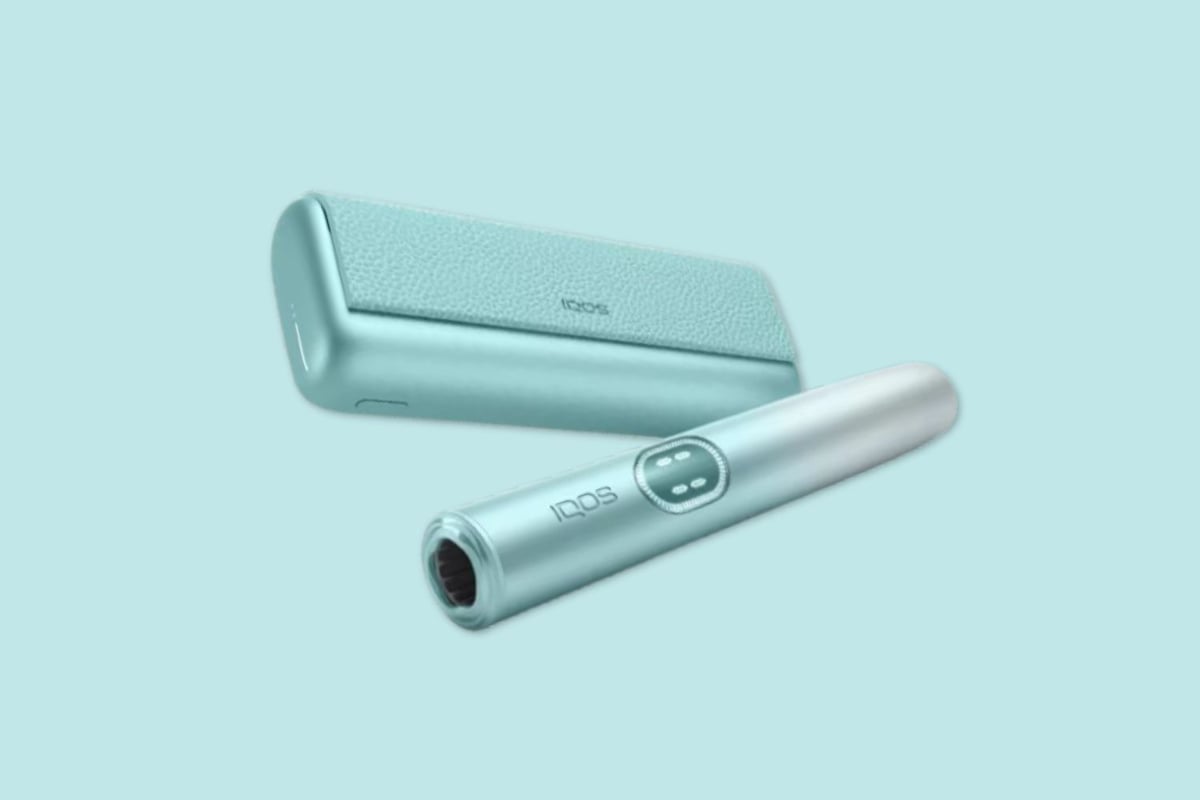
Heated tobacco, sometimes called heat-not-burn, warms compressed real tobacco sticks inside a battery-powered holder. Devices like IQOS and glo are the big names in the UK.
Instead of setting the tobacco alight, these devices heat it to roughly 350°C. That is hot enough to release an aerosol but below the temperature of combustion. According to the manufacturer, Philip Morris International, IQOS produces up to 95% fewer toxic compounds than a cigarette, though it is worth being clear that this is the maker's own research rather than independent testing.
You buy pre-filled tobacco sticks, slot one into the device, wait for it to heat, then use it for a fixed number of pulls before it is spent. No liquid, no coils, no flavour mixing.
The key distinction: e-liquid vs real tobacco
Both are smoke-free alternatives to cigarettes, and both deliver nicotine without combustion. The difference is what sits inside them and how much control you get.
Vaping
Consumable: e-liquid (10ml salts or shortfills)
How it heats: a coil vaporises liquid
Nicotine source: added nicotine, up to 20mg/ml under UK TPD
Flavour type: hundreds of flavours, fruit to menthol to tobacco blends
Heated tobacco
Consumable: pre-filled tobacco sticks
How it heats: warms real tobacco below combustion
Nicotine source: the tobacco leaf itself
Flavour type: tobacco, with a handful of menthol and flavoured stick options
So is heated tobacco better than vaping? Neither wins outright. Heated tobacco keeps the taste and ritual of real tobacco, while vaping hands you far more control over strength, flavour and cost. The rest of this guide compares them on the things that actually decide it: satisfaction, spend, battery, upkeep and the law.
Nicotine satisfaction and throat hit compared
For speed and smoothness, a high-nicotine salt vape is hard to beat, but heated tobacco wins on ritual and that familiar tobacco throat sensation. This is the comparison UK switchers ask us about most: IQOS ILUMA against a 20mg salt pod, side by side.
Which gives faster nicotine hit
Nic salts get there quickest. The salt formulation lets you inhale a 20mg strength (the TPD ceiling in the UK) without the harshness you would get from the same strength in freebase, so you take a proper lung or mouth-to-lung pull and the nicotine lands fast. In our own use, a good 50/50 salt on an 0.8 ohm pod rivals a cigarette's timing closely.
Heated tobacco works to a fixed session instead. A stick runs to a set time or puff count, roughly the length of a cigarette, then the device cuts out. You cannot top up mid-session the way you can with a pod. That structure suits people who liked the defined start and finish of a cigarette, but it is less flexible if you want a quick two-puff hit and back to it.
- Fastest to satisfy a craving: high-nicotine salt vape, on demand, any strength up to 20mg
- Most cigarette-like session length: heated tobacco, fixed stick duration
- Best for grazing through the day: refillable salt pod
Throat hit: salts vs heated sticks
Throat hit is where the two feel genuinely different.
- Nic salt vapes: smooth on the throat even at 20mg, with the hit scaling up as you raise strength or drop VG. A 50/50 salt gives a firmer catch than a high-VG shortfill.
- Heated tobacco: a warm, dry sensation that reads as more authentic to a lot of ex-smokers, because it is real tobacco being heated rather than an e-liquid flavouring.
Neither produces smoke. Heated tobacco generates an aerosol from heating tobacco leaf, not combustion, which is why the sensation sits closer to a cigarette while the vapour from a salt device is cleaner and cooler.
If you are new to all this and unsure which throat feel you are after, our How To Choose Your First Vape Kit guide walks through strength and pod choices in plain terms.
Best-rated for satisfaction
There is no single winner here, it splits by what you are chasing.
- Choose a salt vape if you want fast, smooth nicotine, flavour variety, and the freedom to puff whenever without a fixed session.
- Choose heated tobacco if the tobacco ritual and dry throat sensation matter more to you than flavour range or top-up flexibility.
On the pouches question that comes up alongside this: nicotine pouches are oral and completely vapour-free, so they are not really competing on throat hit or inhale satisfaction at all. They are a different habit. Against heated tobacco, pouches win on discretion and lose on ritual. If you want something that feels like a cigarette in the hand and on the inhale, heated tobacco or a vape is the closer match.
We run refillable pods day to day and mix salts and shortfills in roughly equal measure, so our steer is honest: most switchers settle faster with a salt pod, but a decent minority who miss the tobacco ritual specifically prefer heated tobacco.
Cost comparison: device, consumables and long-term spend
The running-cost gap is where vaping pulls ahead, and it is the part most comparison guides skate over. The device is the small number. The consumables are where you actually spend over a year, and that is true for both heated tobacco and vaping.
Upfront device cost
Both sit in a similar bracket to start:
- Heated tobacco device: a mid-range unit runs roughly the same as a decent pod kit, sometimes a fair bit more.
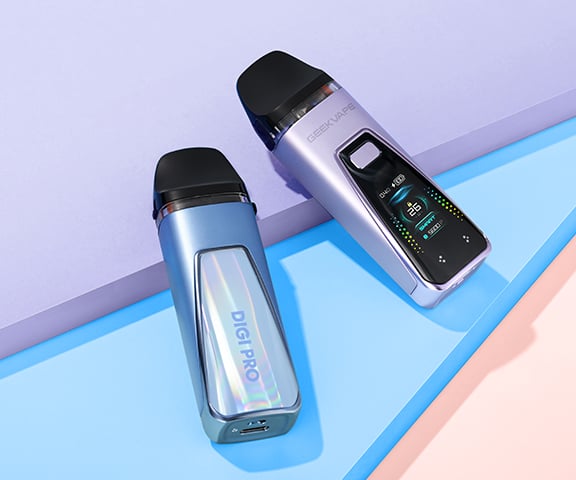
- Refillable pod kit: a solid starter pod kit costs less than most heated tobacco devices, and a sub-ohm tank kit sits a little higher.
The device price is a one-off either way. It tells you almost nothing about what the next twelve months look like, so do not let it steer the decision on its own.
Ongoing consumables (sticks vs pods/coils)
This is the real number. Heated tobacco runs on single-use tobacco sticks, priced close to a pack of cigarettes and consumed at a similar rate. Every stick is a fresh spend, and it does not come down.
Vaping consumables split into two much smaller buckets:
- E-liquid: 10ml salts and 100ml shortfills, refilled into the same pod or tank.
- Coils or pods: a replaceable coil lasts most vapers one to two weeks with decent priming.
Because you refill the same hardware, a reusable pod kit can cut long-term cost sharply against repeat heated-stick purchases. We run refillable pod kits day to day and sub-ohm tanks in the evenings, so we mix salts and shortfills in roughly equal measure, and the weekly outlay is a fraction of a daily stick habit.
The one thing shifting the maths is the 2026 vape duty. It adds a flat excise charge to e-liquid, plus VAT on top. Here is what that does to a single 10ml bottle:
Even with duty applied, a 10ml bottle lasts most pod vapers several days, so the cost per day stays well below a daily pack of tobacco sticks. Heated tobacco sticks are taxed as tobacco, so they carry their own duty burden that vaping duty does not close the gap on. For the full breakdown of how the levy is calculated, read The Vaper's Guide to UK Vape Tax (2026).
How to save money on either
The savings come from consumables, not clever shopping. Top ways to bring the running cost down:
- Vaping: Prime coils properly to make them last, and pick a pod kit with cheap, widely stocked replacement pods.
- Heated tobacco: Buy sticks in multipacks, and keep the heating chamber clean so you are not wasting sticks on a poor heat.
- Both: buy online rather than the high street, where the same consumables cost noticeably less.
The biggest single move is switching from single-use to refillable. We have seen more switchers move from big-puff disposables to refillable pods since the 2026 duty landed, and the same logic applies coming off heated sticks: a reusable kit stops the daily repeat-purchase entirely. If that is the jump you are weighing up, How To Switch From Disposables To Reusable Vapes walks through the setup.
For anyone hunting cheap heated tobacco alternatives, the honest answer is that a refillable pod kit is the lower long-term spend, because you stop paying per stick.
Battery life and performance
Battery is where these two device types split hardest, and it is the question most people forget to ask before they buy. Heated tobacco runs a fixed sequence per stick and then needs a top-up. A refillable pod kit just keeps drawing on its cell until it is flat. Those are two very different demands on a battery, and the cold makes both of them worse.
Average battery life per device type
Heated tobacco devices are built around a set number of heating cycles per charge. A pocket charger design typically holds enough for a run of sticks before the holder itself needs docking back into its case. Standalone units without a case tend to manage a handful of sessions, then it is back to the mains.
Pod kits work off a straightforward mAh cell you recharge over USB-C. That is the number to watch:
- Compact refillable pods usually sit around 800 to 1,500 mAh
- Larger pod-mods and sub-ohm kits run 1,500 to 3,000 mAh and up
- Higher mAh means more puffs between charges, though a sub-ohm coil pulls harder on the battery than a tight MTL pod
The practical difference is flexibility. With a pod kit you can carry a spare bottle and a power bank and simply keep going. Heated tobacco ties you to its charging cycle. If you want the full rundown on capacities across kit types, we have broken it down in Vape Devices Explained.
Cold weather battery drain
Lithium cells lose usable capacity in the cold. Chemistry slows, internal resistance climbs, and you get fewer sessions per charge than you would on a mild day. Neither vaping hardware nor heated tobacco is immune to it.
What differs is how the loss shows up:
- Heated tobacco in the cold can struggle to reach and hold its heating temperature, so you may see it cut a session short or refuse to start until it warms up
- Pod kits simply give you fewer puffs before the battery reads flat, and very cold e-liquid thickens, which can affect wicking on a mesh coil
The fix is the same for both: keep the device in an inside pocket close to your body, not in a rucksack or a car door. A warm device holds charge far better than a frozen one.
Which holds charge longest for heavy daily use
If you are reaching for the device many times a day, the honest winner is a pod kit with a big mAh cell and USB-C fast charging. You get a bigger reservoir of power and you can top up from any power bank while you are out. Heated tobacco's charge-and-wait cycle becomes the bottleneck once you are a frequent user, because you are limited to a fixed number of sticks before the next dock.
Heated tobacco Typical capacity: enough for a short run of sticks per charge, then a full recharge or dock.
Cold-weather impact: may fail to hit heating temperature; sessions cut short until warmed.
Best for heavy daily use: adequate, but the charge cycle limits back-to-back sessions.
Compact pod kit Typical capacity: roughly 800 to 1,500 mAh, USB-C top-up.
Cold-weather impact: fewer puffs per charge; thicker e-liquid can slow wicking.
Best for heavy daily use: strong, especially topped up from a power bank on the go.
Sub-ohm / pod-mod Typical capacity: 1,500 to 3,000 mAh and up.
Cold-weather impact: same capacity dip, but the larger cell has more in reserve.
Best for heavy daily use: the longest runtime here, at the cost of size and weight.
For a multi-time-a-day habit in a British winter, the bigger the mAh and the faster the charging, the fewer times you get caught short.

Maintenance, durability and reliability
A heated tobacco device needs regular cleaning, a vape mostly needs you to swap a coil and not much else.
Heated tobacco maintenance schedule and cleaning
Heated tobacco leaves residue behind. Every stick you use deposits tobacco and a little moisture around the heating element and chamber, and that build-up is what turns a fresh session harsh.
A sensible schedule for most heated devices looks like this:
- After every use, or every few sticks: let it cool, then remove and bin the used stick promptly so residue does not bake on.
- Roughly every pack (around 20 sticks): run the supplied cleaning brush through the heating chamber. Manufacturers ship a dedicated brush for exactly this reason.
- Weekly: wipe the cap and mouthpiece, and give the chamber a proper brush-out.
- As needed: use the cleaning sticks or swabs the brand supplies for stubborn residue.
Always use the correct cleaning brush for your device. The bristles are sized to the chamber, and a random alternative can scratch the heater or push debris deeper in. The IQOS maintenance point people search for most is simple: clean little and often, and let the device cool fully before you touch the chamber.
By contrast, a vape has no chamber to brush. You prime a new coil, vape it until the flavour dips, then fit a fresh one. If you want that side of the routine done right, our guide on how to prime a vape coil / pod covers it. In our own testing, priming a mesh coil for a good five minutes before the first pull is the single biggest thing that stops a burnt first hit.
Avoiding harsh or burnt-tasting sessions
Harsh heated tobacco almost always comes down to residue. Skip the cleaning cycle and each new stick tastes progressively rougher, with a burnt edge on the later puffs. The fix is the brush, on schedule.
Two other habits help:
- Let the device rest between sessions so the heater and battery settle rather than running back-to-back hot.
- Store sticks somewhere cool and dry. Damp tobacco heats unevenly and tastes off.
On the vaping side, a burnt taste means the coil, not the device. It is either under-primed, run dry, or simply spent. Prime properly, keep the tank or pod topped up, and replace the coil when the flavour flattens.
Error codes and won't-turn-on fixes
Won't-turn-on and error-code searches are constant with heated tobacco because there is real electronics packed into a small body. General troubleshooting order:
- Charge it fully. A device that seems dead is very often just flat, especially in the cold.
- Reset it. Most heated devices have a button hold or reset routine in the manual that clears a stuck state.
- Clean the chamber. Some devices throw an error or refuse to heat when residue blocks the sensor or heater.
- Check the charging contacts. Wipe the port and the holder pins if it will not charge in its case.
- Cool down. Many devices lock out and flash an error if they have overheated, and simply need a few minutes.
Error codes are brand-specific, so the device manual is your reference for what each blink pattern actually means. A vape is far simpler here: a pod kit that will not fire is usually a dirty contact, a not-fully-seated pod, or a flat battery, and there are no proprietary codes to decode.
Are heated devices more durable than vapes?
Not really, and often the opposite. Both are lithium battery devices, so both age the same way at the cell level. Where they diverge:
- Heated tobacco has a precision heating element and tighter tolerances. It is more sensitive to residue and grit, and the heater is the part that eventually fails.
- Refillable vapes wear through a consumable coil you replace yourself. The mod or pod battery itself tends to keep going, and there is far less inside to gum up.
A well-kept heated device lasts years, but only if you keep to the cleaning schedule. A vape is more forgiving of neglect because the part that degrades is designed to be swapped in seconds for a couple of pounds. On long-term reliability for a daily user, we would back the simpler, serviceable vape.
UK law, safety and etiquette
Both vaping and heated tobacco are legal to buy and use in the UK if you are 18 or over, but they sit in different regulatory boxes. Vaping is governed by the vaping-specific rules; heated tobacco is treated as a tobacco product, which changes how it is taxed, packaged and displayed. Here is how that plays out in practice, and how each fits into everyday UK life.
Legal status of both in the UK
The headline difference: heated tobacco contains real tobacco, so it is regulated as a tobacco product. E-liquid contains no tobacco leaf and falls under separate vaping rules.
What that means day to day:
- Vaping: refillable pods and shortfills are sold openly, and pre-filled kits must comply with the usual limits (nicotine capped at 20mg/ml, tanks at 2ml). For the full picture on strengths, tank sizes and packaging rules, we have broken it all down in our guide to UK Vaping Laws, Safety & Compliance.
- Heated tobacco: sold as a tobacco product, subject to tobacco excise duty and tobacco display restrictions. In many shops the consumable sticks sit behind the same covered gantry as cigarettes.
The upshot is that heated tobacco carries a heavier tax and retail burden, while vaping products are more freely displayed and, for now, cheaper to stock and buy.
Age restrictions and where you can use them
The age rule is identical for both: 18 and over. It is illegal to sell either to under-18s, and both categories are covered by youth-access rules.
Where you can actually use them is where things get murky:
- The smoke-free laws that ban cigarettes indoors were written for combustion. Neither vaping nor heated tobacco produces smoke, so the blanket indoor ban does not automatically apply to either.
- In practice, public-use rules vary by venue. Pubs, cafes, trains, workplaces and shopping centres set their own policies, and plenty treat vaping and heated tobacco exactly as they treat cigarettes.
- Assume you cannot use either indoors unless there is clear signage or staff confirmation. That is the safe bet and the polite one.
Etiquette in bars and public spaces
Heated tobacco is the trickier one socially, because it smells of tobacco. The aerosol is not smoke, but the tobacco scent still carries, and people around you will read it as smoking. That single fact shapes the etiquette.
A few ground rules from using both out and about:
- Ask before you use either indoors. A quick word with bar staff settles it and saves you being asked to step out mid-drink.
- Heated tobacco is best kept to the smoking area. The tobacco aroma sits closer to a cigarette than to a fruity vape, so most venues that tolerate discreet vaping still expect heated tobacco outside.
- Vaping is generally the lower-friction option indoors where it is allowed, especially with a low-power MTL pod that produces a small, quick-clearing plume. Big sub-ohm clouds are a different matter, keep those for outdoors or at home.
- Do not vape or heat over food or into faces. Angle down and away, keep the plume small, and the room stays on your side.
The pattern is simple: heated tobacco reads as smoking to bystanders and gets treated that way, while modest vaping tends to be tolerated more readily. When in doubt, step outside.
Which should you choose? A quick decision guide
The right pick comes down to what you actually want from the experience: the tobacco ritual, the flavour, or the lowest weekly spend. We vape every day and we test what we sell, so here is how we would steer you.
Best for ex-smokers wanting a tobacco ritual
Heated tobacco is the closest match if you miss the physical routine of a cigarette. You load a stick, heat it, take a run of pulls, then it is done. That fixed session mirrors the old pack-a-day rhythm more literally than a vape does.
Go heated tobacco if:
- You want an authentic tobacco taste rather than fruit or dessert flavours
- You liked the start-and-finish structure of a cigarette
- You want minimal fuss, no e-liquid to top up, no coils to swap
Vaping can still give you a tobacco flavour, and a good few switchers settle on one. But the ritual itself feels different, more continuous, less like a defined session.
Best for flavour and customisation
Vaping wins here, comfortably. The range of flavours runs into the thousands, and you control your nicotine strength down to the milligram within UK limits.
You get to choose:
- Flavour, from tobacco and menthol to fruit, dessert and drink blends
- Nicotine strength, up to the TPD cap of 20mg/ml
- Format, refillable pods for day-to-day and sub-ohm tanks for bigger flavour in the evening
We run pod kits by day and sub-ohm tanks at night, and that flexibility is the whole point. Heated tobacco gives you a handful of stick variants and that is your lot. If you want to understand what goes into a bottle and how to match strength to kit, our E-Liquid Explained: The Complete UK Guide covers it properly.
Best for lowest running cost
Vaping takes it on long-term spend. Heated tobacco sticks are taxed as tobacco and priced close to cigarettes, so your weekly outlay barely shifts. Vaping consumables, even after the 2026 duty, work out lower over a month once you are past the initial kit.
Consider vaping for cost if:
- You are a regular, everyday user rather than an occasional one
- You are happy to top up e-liquid and swap coils now and then
- You want the option of 100ml shortfills, which spread the cost further than single bottles
If you would rather skip devices entirely, Nicotine Pouches Explained is worth a look. Pouches are tobacco-free and there is no device, no charging and nothing to inhale, so no vapour and no aerosol. They sit under the lip and are the discreet option when neither a vape nor heated tobacco suits the moment. Whether heated tobacco is better than pouches really depends on whether you want the tobacco taste and hand ritual, or a completely hands-free, pocket-friendly hit of nicotine.
Frequently Asked Questions
Clean the heating chamber with the supplied brush after every pack, as built-up residue is the main cause of early failure. Avoid running the battery flat before recharging and always charge at room temperature rather than somewhere cold or damp. Keep the device away from extreme cold when not in use, since this puts unnecessary strain on the battery over time.
Cold temperatures reduce lithium-ion battery capacity, so you'll get noticeably fewer sessions per charge in winter. The fix is simple: keep the device in an inside pocket close to your body and let it warm up naturally before plugging it in to charge. It's worth knowing that vapes suffer the same cold-weather drain, so this isn't unique to heated tobacco.
Clean the heating element frequently, as leftover residue from previous sticks is the most common cause of a burnt taste. Always use fresh tobacco sticks stored correctly, since dried-out or stale sticks heat unevenly. Let the device complete its full heat-up cycle before you draw, as drawing too early tends to produce a harsher, less balanced flavour.
Most heated tobacco devices deliver around a full pack, roughly 20 sessions, per charge, similar to what a heavy day of use would need. Pocket-charger models extend this further, letting you top up on the go between mains charges. Like any lithium battery, expect noticeable capacity degradation after 1 to 2 years of daily use.
Heated tobacco devices have fewer refillable parts, but their heating elements are sensitive and need regular cleaning to avoid damage. Reusable vapes rely on replaceable coils and pods, which is arguably a strength since you're swapping a cheap part rather than servicing a fixed component. Both types last longer with consistent cleaning and sensible charging habits, so neither has a clear durability edge on paper.
Nic salt vapes tend to deliver nicotine quickly and smoothly, with a hit that many switchers find comparable in timing to a cigarette. Heated tobacco offers a slower, more drawn-out session that leans on tobacco authenticity rather than speed. Ultimately it comes down to personal puffing style and what satisfaction actually means to you, so it's worth trying both if you can.
Start by checking the charging cable and cleaning the charging port, as tobacco debris here is a surprisingly common culprit. If the device has been somewhere cold, let it return to room temperature before attempting to charge again. Beyond that, follow the manufacturer's reset instructions or check any error code display, as most fixes are more straightforward than they first appear.
It depends what you're after: nicotine pouches are tobacco-free, completely discreet, and need no device, charging or maintenance whatsoever. Heated tobacco instead gives you an inhaled, tobacco-based ritual that feels closer to smoking in hand-to-mouth habit. If you want oral, no-fuss nicotine choose pouches, and if you value the inhalation experience heated tobacco makes more sense.
About the author

Related guides
Why Is My Vape Spitting? Causes & Fixes
Vape spitting juice into your mouth? Diagnose user error vs a faulty coil, get device-specific fixes and learn when to replace your coil. UK guide.
Vaping Styles Explained: MTL vs DTL vs RDTL
Compare MTL, DTL and RDTL vaping styles: coil resistance, nicotine, e-liquid, cost and the best UK kits for each. Find your ideal style first time.
Vaping vs Smoking: Cost & Health Comparison (2026)
Vaping vs smoking in the UK: real yearly costs, savings after the 2026 vape tax, health risks and how it compares to patches and gum. NHS-backed facts.