
Beginners’ Guide to Vaping

Making the switch from cigarettes, replacing a disposable habit, or just trying to make sense of what's changed for UK vaping in 2026? You'll find your answer here. We vape every day and we've written this guide the way we'd explain it to a mate.
By the time you reach the end you'll know what a vape actually is, how it works, which style suits you, and which type of kit is worth your money.
What is a vape?
A vape is a battery-powered device that heats e-liquid into an inhalable vapour. No fire, no combustion, no tar, no ash. You draw on the mouthpiece, the device vaporises a flavoured liquid (with or without nicotine), and you exhale vapour that disperses in seconds. That's the literal meaning of the word: vaporised liquid, inhaled. If a relative who's read one tabloid headline tells you you're "smoking" a vape, they're using the wrong word.
You'll also hear vapes called e-cigarettes, e-cigs, pod kits, mods or just kits. They are all built around the same four core components.
Components: what's inside every vape
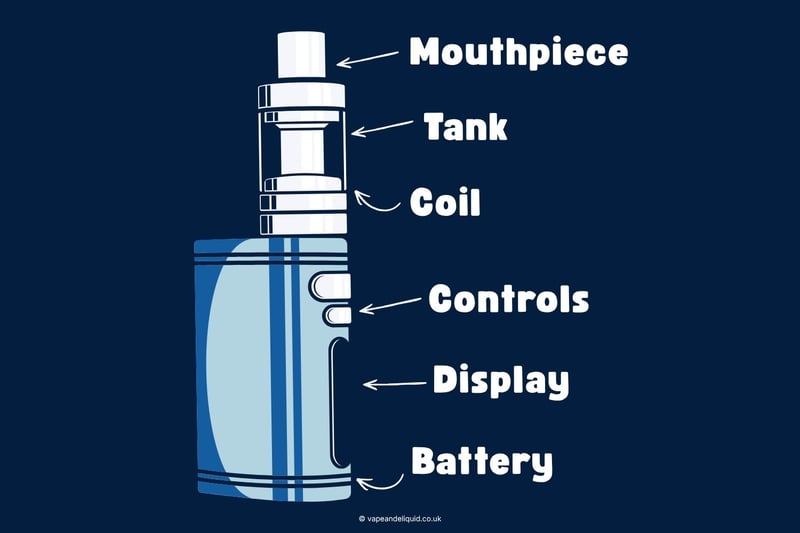
Every vape on the UK market, from a 600 puff prefilled to a high-wattage sub-ohm mod, contains the same four parts. The differences come down to battery size, coil type, how you refill, and how much control the device gives you.
- Battery. Powers the device. In modern pod kits this is a sealed internal lithium cell charged via USB-C. In larger mods, the battery is often a removable 18650 or 21700 cell.
- Coil. The heating element. A thin wire (or, on better/modern vapes, a mesh strip) wrapped with cotton. Power runs through the wire, the wire heats up, the cotton holds the e-liquid, the heat vaporises the liquid.
- Pod or tank. Holds your e-liquid. In a pod kit the coil sits inside the pod and the whole unit gets replaced. In a sub-ohm tank or an old-style pen kit you screw the coil in separately.
- Mouthpiece. What you draw from. Sometimes moulded into the pod, sometimes a separate drip tip on a tank.
A prefilled vape (disposable's replacement) contains all four sealed together with juice already loaded, used until the battery dies or the juice runs out - with some hybrid kits that can now be recharged and replacement pre-filled pods to top up. A refillable pod kit splits them up so you can top the juice up from a bottle and swap the pod every couple of weeks.
How does a vape work?
When you inhale on the mouthpiece (or press the fire button), the battery sends current through the coil. The coil heats to somewhere between 200 and 250°C. The cotton wicking around the coil is already soaked in e-liquid. That liquid vaporises off the cotton, you inhale the vapour, the cotton re-saturates from the surrounding pod, and the cycle repeats every puff.
Four variables affect how that feels:
- Wattage. How hard the coil fires. Higher wattage means hotter coil, more vapour per puff, faster e-liquid use, and generally shorter coil life.
- Coil resistance (ohms). Thinner wire means lower resistance means more power drawn. Pod kits use coils between 0.8Ω and 1.2Ω. Sub-ohm tanks run below 1.0Ω.
- Airflow. Tighter airflow gives you a cigarette-like restricted draw called Mouth To Lung (MTL). Looser airflow gives a wide-open lung-hit called Direct To Lung (DTL).
- VG/PG ratio of the juice. More VG means more vapour and slower coil saturation. More PG means a stronger throat hit and faster wicking. Beginners don't need to memorise this. Every modern pod kit picks sensible defaults. But when something feels off (weak flavour, harsh throat hit, burnt taste), one of these four is usually the reason.
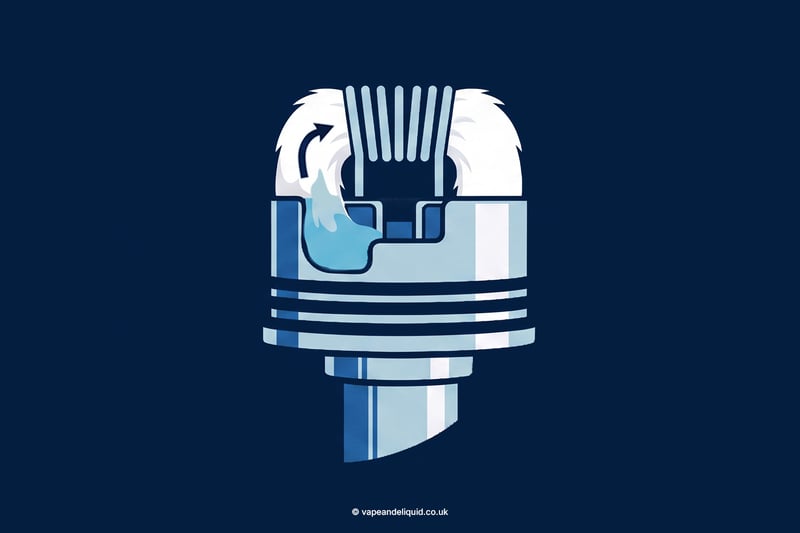
Wicking
Wicking is how the cotton inside the coil pulls e-liquid in to be vaporised. Pull on a fresh, primed coil and the cotton is saturated. The wire fires, vaporises the liquid against it, and the cotton draws fresh juice in from the pod ready for the next puff.
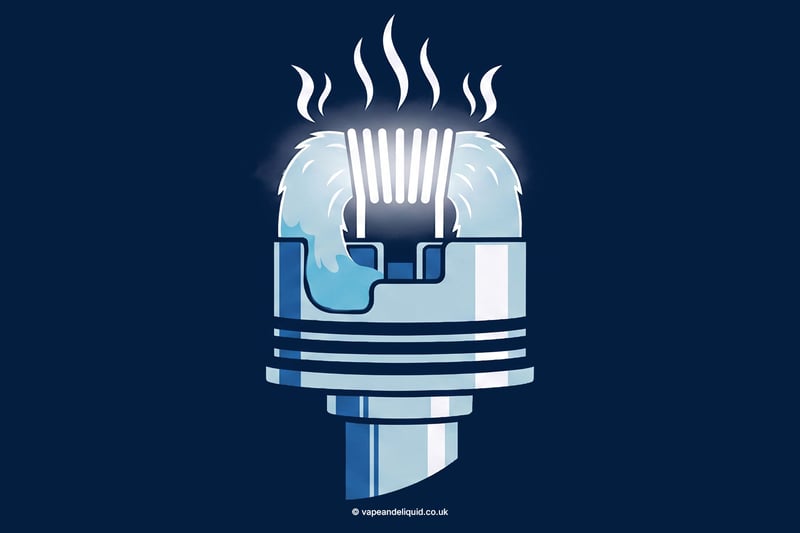
Power & Heat
When activated, the vape's battery supplies electrical power to the coil, rapidly heating it to between 200°C and 250°C. This intense heat then instantly vaporizes the e-liquid soaked into the cotton wick, creating the vapor you inhale.

Vapour
The user then inhales the vapour, which carries the flavour and nicotine. The density, warmth, and size of your vapor clouds depend entirely on the power running through your coil combined with the VG/PG ratio of your e-liquid.
When wicking goes wrong you'll know about it. Chain-vape too hard on a coil that can't keep up and you'll get a dry hit: that scorched, throat-burning taste of cotton cooking without juice. Underfill the pod, vape it when its empty, or skip the priming step on a fresh coil and you'll get the same result. The fix is almost always patience: top the pod up, let it sit upright for a couple of minutes, and the cotton reabsorbs.
Types of vaping styles (inhaling)
There are 2 main types of vaping style, Mouth To Lung (MTL) and Direct To Lung (DTL). Vaping Mouth To Lung will be the most familiar to anyone who has smoked cigarettes or disposable vapes in the past. It's the most common. Direct to lung is for advanced vapers typically with a sub ohm or rebuildable vape kit - this offers more vapour, bigger clouds and flavour.
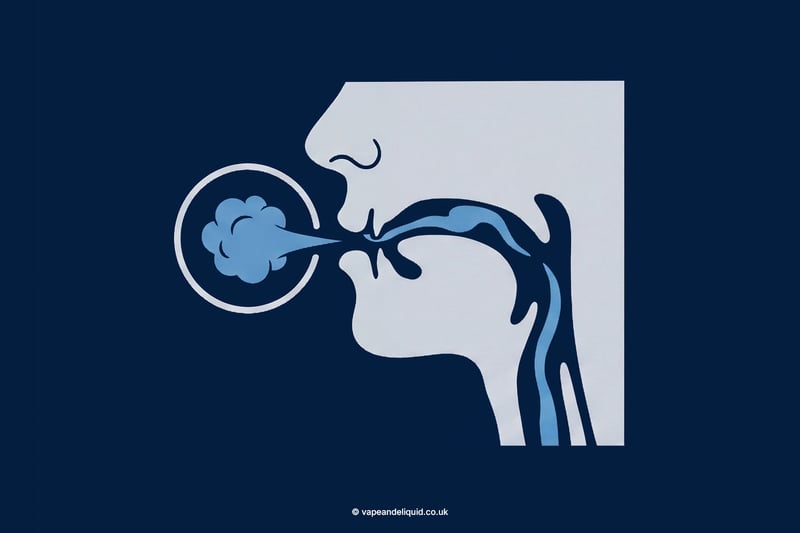
Mouth To Lung (MTL)
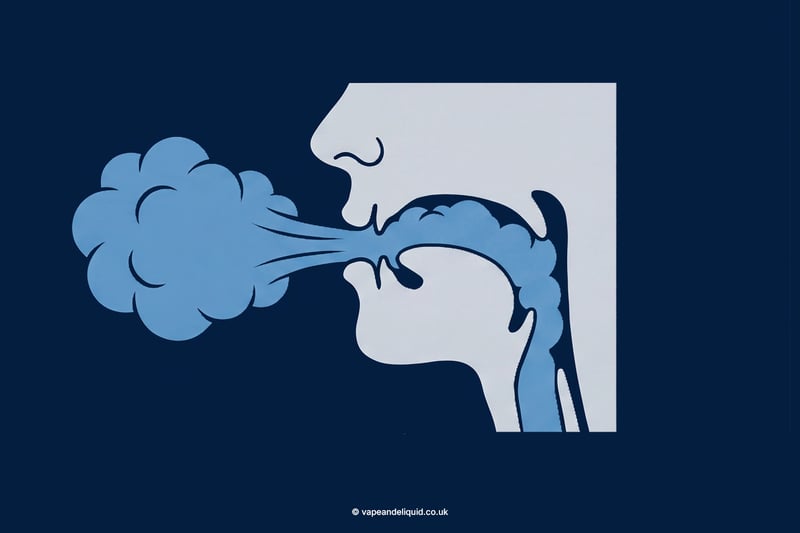
You pull vapour into your mouth first, hold it for a second or so, then breathe it down into your lungs - same as a cigarrete. Tight airflow, restricted draw, low wattage, high-nicotine juice (usually 10mg or 20mg salts, but not above 20mg/ml under UK TPD rules). The throat hit is firm, the vapour is modest, and the experience is the closest thing to a cigarette. This is the style we put every new vaper on.
Direct To Lung (DTL)
You pull vapour straight into your lungs in one go, the way you'd breathe in deeply (or hit a bong). Wide-open airflow, sub-ohm coil, higher wattage, low-nicotine high-VG juice (3mg or 6mg shortfill). Big clouds, intense flavour, more sensation per puff. DTL is where vaping stops being a cigarette replacement and starts being its own thing. We don't recommend it as a starting point.
There's a third style you'll see mentioned, Restricted Direct To Lung (RDTL or RDL), which sits in between. This is a vape style thats loose enough to lung-inhale, but tight enough to use 10mg nic salts. Its niche but becomming more popular.
Types of vape (UK, 2026)
The UK vape market has seen changes over the last few years, but two major changes in eighteen months will directly impact you as a beginner. The June 2025 disposable ban killed off single-use kits, and the October 2026 vape duty will be the biggest price increase ever. What's left are five categories of kit (although we expect to see shifts based on the upcomming tax), and the right one for you depends almost entirely on how often you vape, your budget and how much input or customisation you want.
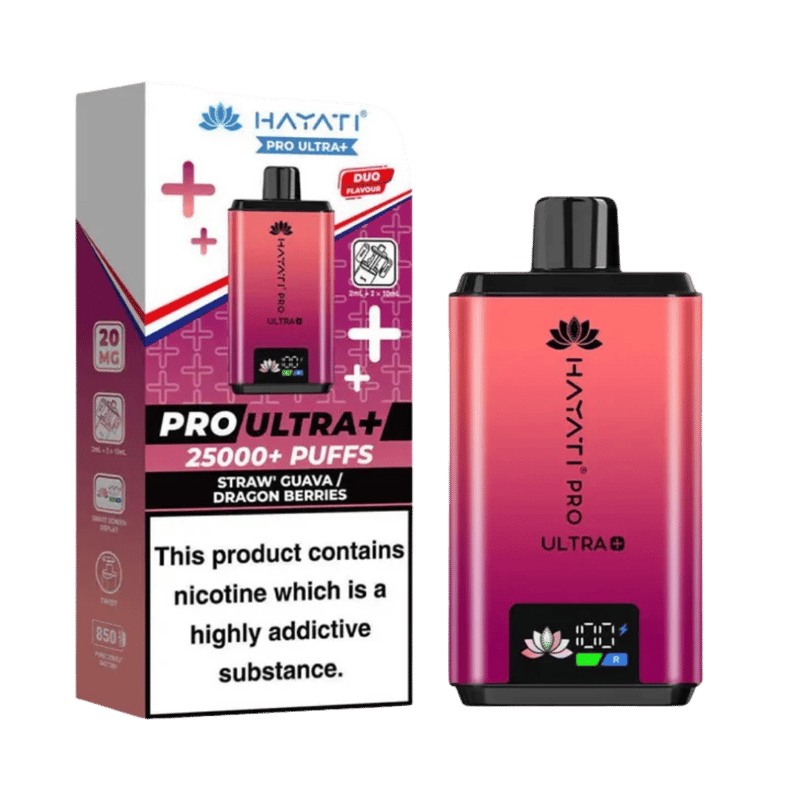
Disposable / Big Puff / Prefilled Kits
Since the ban, disposables have been replaced by big puff and prefilled pod kits. Both deliver a familiar, pocket-sized experience while being compliant with UK TPD law.
They are most beginner-friendly and what you'll find at the corner shop. All you do it buy it, remove the packaging and vape.
Pros: User-friendly. Zero priming, coil swaps, or vape knowledge required.
Cons: Much more expensive than refillable setups, limited to a single brand's range, and the legal limit requires frequent refill pods.
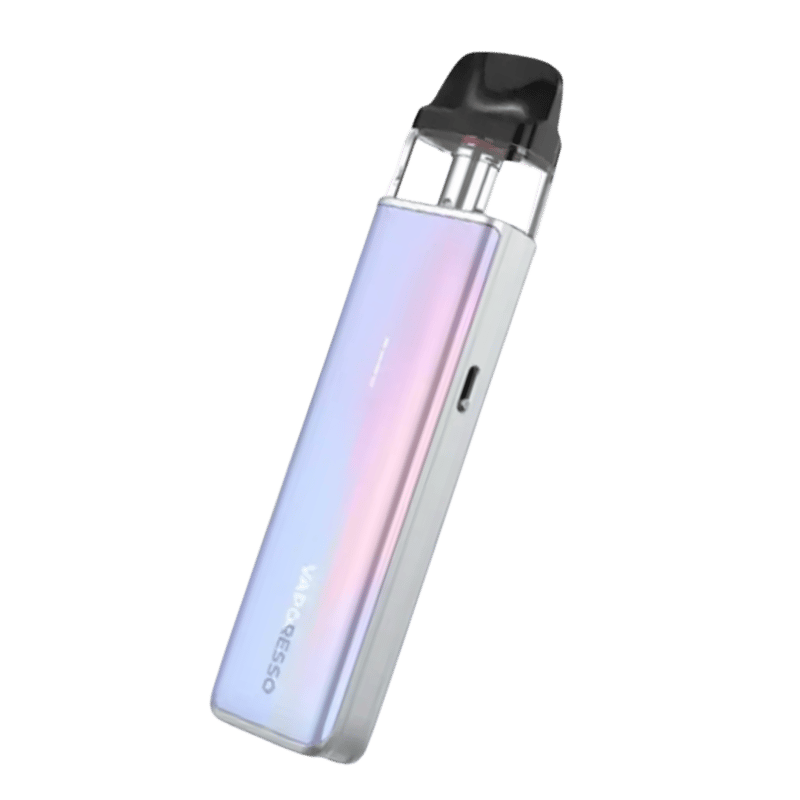
Refillable pod kits
What we recommend to every new vaper. A rechargeable device with a refillable pod that you top up from a 10ml bottle of 10 or 20mg nic salts. The built-in coil lasts one to two weeks, then you swap the whole pod and carry on. Fill it, let it sit five minutes, vape.
Pros: Lowest running cost, thousands of flavours, compact, reliable & easy.
Cons: You'll need to understand the basics of how a vape works, fill your own liquid from a bottle and know when to change pods (coils).
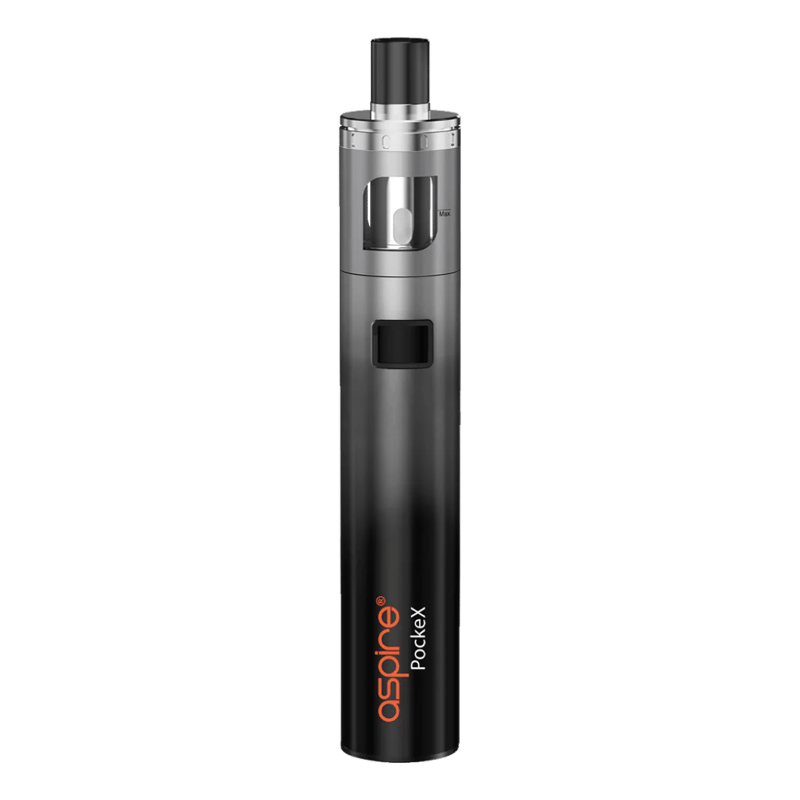
Vape pens
The original e-cigarette format and still going. Pen-shaped, refillable tank, replaceable coil that screws into the tank base. You fill the tank from a bottle, vape until the flavour fades, then swap the coil head (not the whole tank).
Pros: Familiar for anyone who picked up a basic vape a decade ago. Long battery life, similar to cigarettes, cheap.
Cons: Swapping a coil is fiddlier than pods & can get very messy - with liquid leaking. Much less common than pods now so choice is slim and quality isnt as good generally.
Sub-ohm mods
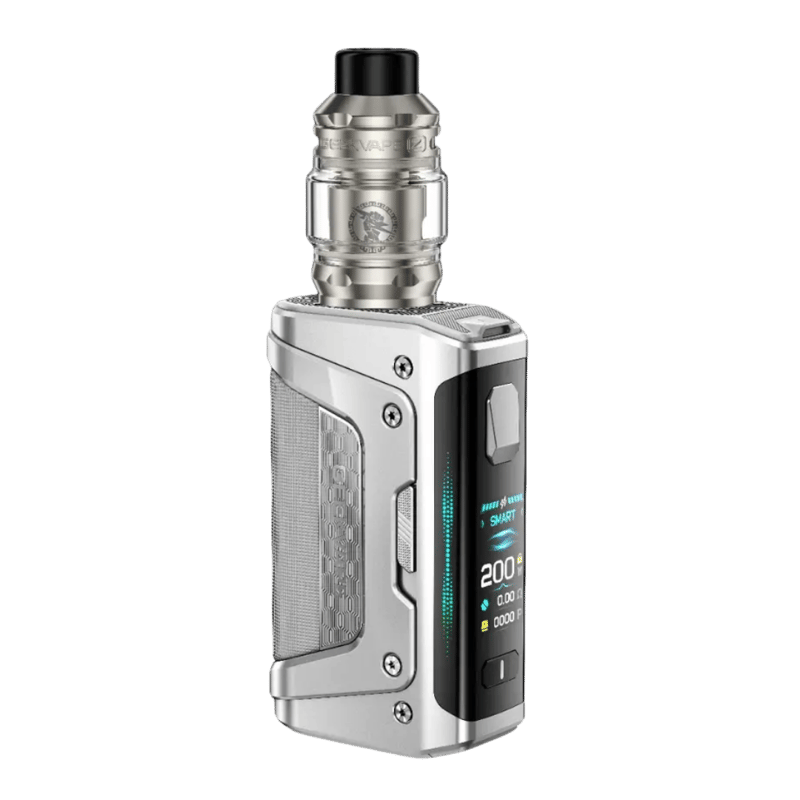
Bigger device, removable battery (usually one or two 18650 cells), variable wattage, and a sub-ohm tank screwed on top. Built for DTL vaping with high-VG shortfills. The coil sits below 1.0Ω, the wattage runs high, and the vapour comes out warm and dense.
Pros: Big flavour and clouds. Long battery life. Fully customisable wattage, airflow, and coil choice.
Cons: Bulky, uses a lot of juice & not a familiar nicotine delivery for ex-smokers. Higher upfront cost, and you'll be buying coils and 100ml shortfills regularly.
Rebuildables (RTAs and RDAs)
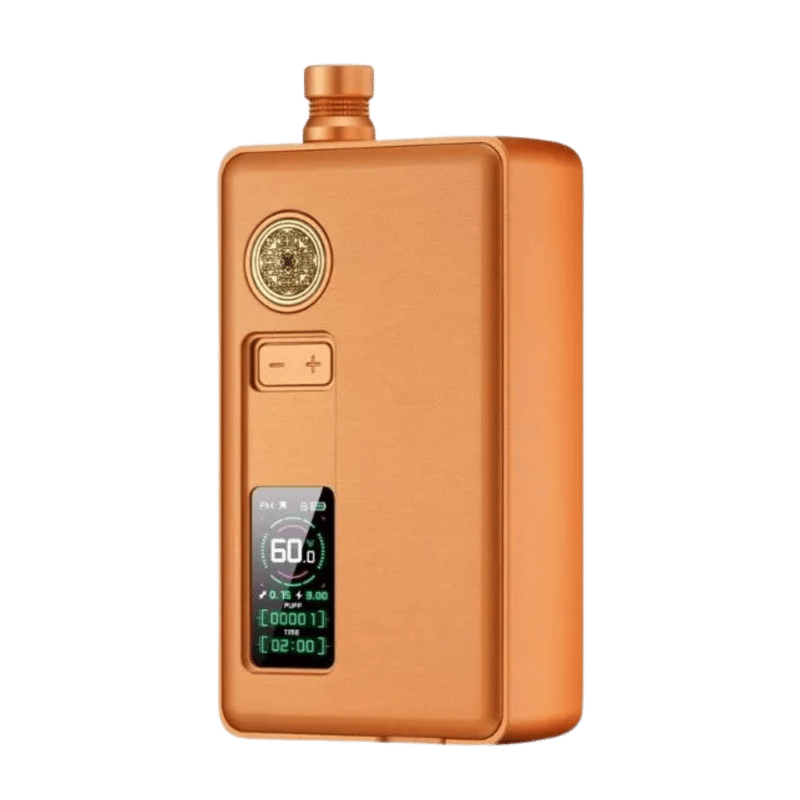
The most advanced way to vape. You build your own coil from resistance wire, wick it with cotton, install it in a rebuildable tank (RTA) or dripper (RDA), and dial in the resistance and wattage to taste.
Pros: Cheaper running cost long term. Total control over flavour, vapour, and throat hit. Full DIY for experienced vapers.
Cons: Steep learning curve. You'll need a coil-building kit, an ohm reader, and a couple of weekends of trial and error.
What type of vape should a beginner buy?
If you've read this far and you're not sure, a refillable pod kit with 20mg nic salt is right for nine out of ten beginners. It's the cheapest to run, familiar to ex-smokers or those coming from disposables, very easy to live with after the first week, and the most popular.
For first time vaping in 2026, we'd recomend these three kits:
- OXVA Xlim Go 2 (around £10). The lowest-risk pod kit. Auto-draw (just inhale, no button - like a disposable), 1500mAh built-in battery, two pods in the box. The pull on the standard 0.8Ω pod is genuinely tight, close enough to a cigarette draw that the muscle memory translates straight over. Vapour comes through warm and clean. If you're brand new and want maximum value, start here.
- Vaporesso XROS 5 (around £20). The all-rounder. The Corex 3.0 mesh coil delivers a warm, intensely flavoured MTL draw with a throat hit that lands close to a cigarette without the harshness. Coil longevity sits at the 10 to 14 day mark on 20mg salts in our daily testing.
- UWell Caliburn G3 (around £25). OLED screen, easy airflow control, slightly more power once you want it. The airflow ring dials from a tight cigarette-style pull down to a slightly looser restricted-DTL, useful once you've found your feet. Vapour temperature runs marginally warmer than the XROS, with a touch more density on the exhale. Good pick for anyone who tried a basic pen kit years ago and wanted a little more.
E-liquid 101
E-liquid (also called vape juice or e-juice) is what your kit vaporises. Heat from the coil turns it into the flavoured, nicotine-carrying vapour you inhale. The differences between bottles come down to four ingredients and the ratio they're mixed at.
What's actually in a bottle of e-liquid?
Every regulated UK vape juice contains the same four ingredients. The proportions change, the quality of each component changes, but the list itself doesn't.
Propylene Glycol (PG)
Thin, colourless, odourless. Carries flavour cleanly and delivers the throat hit ex-smokers are looking for. Wicks fast into cotton. More PG means a sharper throat hit and faster wicking.
Vegetable Glycerine (VG)
Thick, slightly sweet, viscous. The ingredient responsible for vapour density. High-VG juices produce the big clouds you see at sub-ohm wattages. More VG means bigger clouds, softer throat hit, and slower wicking.
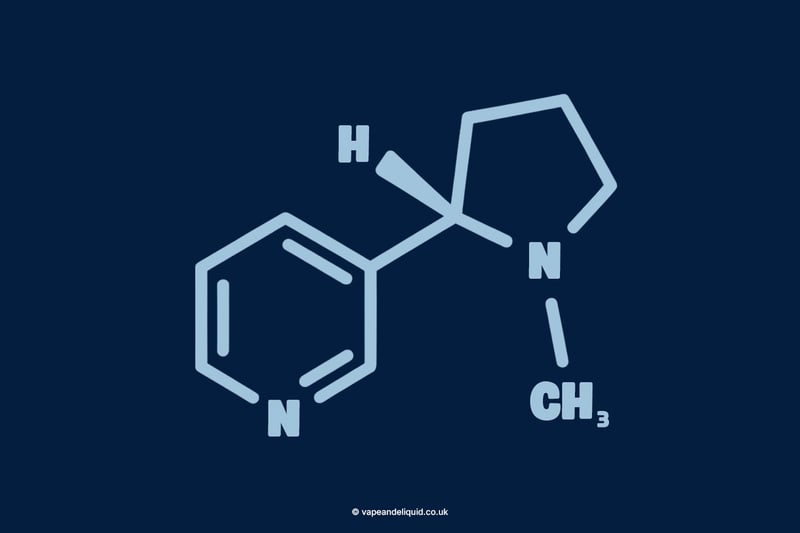
Nicotine
Optional. UK law caps nicotine-containing e-liquid at 20mg/ml strength and 10ml bottle size. Two formats exist (nic salts and freebase), covered next.

Flavourings
Food-grade concentrates to add flavours to liquid. The difference between a cheap supermarket juice and a bottle from a respected brand is almost entirely down to flavouring quality and concentration. Cheap juice tastes flat or chemical-sharp. Good juice tastes like what it says on the bottle.
If you see caffeine, taurine, vitamins or any other "active ingredient" listed on a UK vape juice, it's outside TPD regulation. Bin it and shop somewhere reputable.
Nic salts vs freebase
Theres 2 ways nicontine can be suspended in e-liquid.
Nic salts use nicotine in its natural salt form, the same state it sits in inside a tobacco leaf. The result is a smoother throat hit at high strengths and faster nicotine absorption into the bloodstream. It's now the default for new vapers and whats used in disposables / prefilled kits.
- Vaping style: MTL or RDL
- Throat hit: Smooth and warming, even at 20mg
- Nicotine strengths: 5mg, 10mg, 20mg (20mg is the UK legal ceiling)
- VG/PG ratio: 50/50
- Made for: Pod kits and MTL coils 0.8Ω and above
- Best for: Anyone making the switch from cigarettes or off a disposable
Freebase nicotine is the unbound chemical state of nicotine and the original e-liquid format. Sharper throat hit, especially at higher mg, and absorbs more slowly than salts. Closest sensation to a cigarette at moderate strengths, but gets very harsh at high.
- Vaping style: MTL at 10ml strengths, DTL when used in shortfills
- Throat hit: Sharp at 12mg+, much smoother at 3 to 6mg
- Nicotine strengths: 0mg up to 18mg in 3mg steps
- VG/PG ratio: 50/50 or 60/40 in 10ml bottles, 70/30 in shortfills
- Made for: MTL tanks at 10ml strengths, sub-ohm tanks at 3/6mg shortfill strengths
- Best for: Cigarette-style throat hit at moderate mg, or sub-ohm cloud chasing
What strength should I use?
The biggest mistake new vapers make is starting too low. Underdose your cravings, decide vaping "doesn't work," and you'll be back on cigarettes inside a fortnight. It's important you match your previous habit.
- Pack a day of cigarettes (20+ a day): 20mg nic salts.
- Half a pack a day (10 to 15 a day): 10mg nic salts, step up to 20mg if cravings linger.
- Light smoker (under 10 a day): 10mg nic salts.
- Currently on a 20mg disposable: 20mg nic salts. Identical nicotine, far cheaper running cost.
UK law caps nicotine in e-liquid at 20mg/ml. There is no 35mg or 50mg sold legally in the UK in 2026. If a UK-facing business is offering it, the product is unregulated and could contain unsafe ingredients & you should walk away.
VG/PG ratio
Three ratios cover almost everything you'll buy. Match the ratio to your kit, vape style and wattage.
- 50/50. Balanced, designed for pod kits and MTL coils. Every nic salt bottle is 50/50. Wicks well at the 0.8 to 1.2Ω resistance pod kits use.
- 70/30 VG/PG. Higher vapour density, softer throat hit, designed for sub-ohm DTL tanks. Most shortfills come at this ratio.
- 80/20 or higher VG. Max-cloud territory for serious sub-ohm builds. Not relevant for beginners.
If you put a 70/30 shortfill in a pod kit and the high VG won't wick fast enough through the small coil, you'll get burnt hits & it will taste grim. Put a 50/50 salt in a sub-ohm tank and the thin liquid will leak everywhere while the strong nicotine hits you sideways. Match the ratio to the kit.
Shortfills vs longfills
There is currently two formats for buying juice in larger volumes than the 10ml TPD limit. Both rely on the same legal exemption: nicotine-free e-liquid isn't bound by the 10ml cap, so the bottle can be as big as the manufacturer wants. You then add nicotine yourself with a "nic shot."
Shortfill. A 100ml bottle that arrives with 50ml of nicotine-free, high-VG juice and 50ml of empty headspace. You drop in one or two 10ml nic shots, shake, and you've got a 70ml bottle of nicotine-containing juice at 3mg or 6mg. The current standard for sub-ohm vapers.
Longfill. A small bottle of flavour concentrate (10 to 30ml) you mix with a separate VG/PG base and a nic shot to produce a much larger batch of finished juice, typically 100 to 200ml. We're predicting this is likely to become more mainstream from October 2026 because the new vape duty is charged per 10ml of finished e-liquid, and longfills delay most of that liability until the moment you actually mix. The maths works out cheaper per ml than pre-mixed shortfills, especially if you vape heavily. Slight extra step (pour, shake, wait) but no real complexity.
Pairing juice with your kit
- Big puff / prefilled kit: Pre-loaded, no choice to make.
- Refillable pod kit: 50/50 nic salts, 10mg or 20mg.
- Vape pen with MTL tank: 50/50 nic salts 10 or 20mh, or 50/50 freebase, 6 to 12mg.
- Sub-ohm mod, DTL: 70/30 shortfill with a 3mg or 6mg nic shot.
- Rebuildable, DTL: 70/30 or 80/20shortfill, or unflavoured base and DIY longfill.
How to set up a refillable pod kit for the first time
For all modern pod kits, the process is very similar.
- Charge the device fully. Using the included cable, plug the USB-C in, watch the light, wait until it stops flashing or goes solid.
- Fill the pod. Pop the silicone plug on the side or bottom of the pod (most modern pods are side-fill). Drop the bottle's nozzle into the fill hole, gentle squeeze. Don't overfill, aim for around 80% capacity to leave room for the airflow & to prevent leaks.
- Re-seat the plug. Press it back in flush so nothing leaks, wipe any spillages away with some tissue.
- Prime the coil. Do not skip this step, be patient. Sit the filled pod in the device for 5 to 10 minutes before your first puff. The cotton inside the coil needs to soak up the juice. Fire a dry coil and you'll scorch it permanently on the first hit, and a scorched coil tastes crap until you replace it.
- First puffs. Take three or four short, gentle pulls without inhaling, just to wake the coil up. Then proper draws.
- Refill Liquid As you vape, keep tabs on the liquid level in your pod. Top up as needed. Try not to let this go below 10-20% to ensure the coil is always fully saturated and increase its lifespan.
- When the flavour fades After 1 to 2 weeks of normal use, swap the pod. How long a coil/pod depends on a few things, mainly the usage and the liquid - some sweeter flavours can burn out coils quicker. When you notice flavour fade, or any burnt taste its time to get a new pod. Don't try to wash and reuse, get the right replacement for your kit.
Why make the switch to vaping?
Vaping isn't risk-free, no nicotine product is, but for adult smokers it's the most effective and least harmful alternative to cigarettes the NHS currently recommends.
Even though vaping carries less risk than smoking. If you don't smoke, don't take up vaping.
Around 95% less harmful than smoking.
The headline figure from the Office for Health Improvement and Disparities (formerly Public Health England), first published in 2015 and reaffirmed in their 2022 evidence update. Vaping doesn't burn anything, so there's no tar, no carbon monoxide, and none of the thousands of combustion chemicals that cause the majority of smoking-related disease.
More effective than patches and gum.
The 2024 Cochrane Review (319 trials, the highest tier of medical evidence) found adult smokers using nicotine vapes were significantly more likely to switch successfully than those using traditional nicotine replacement therapy. This is why NHS Stop Smoking Services now offer vape kits as part of their cessation support.
Your body starts recovering the day you stop burning tobacco.
Within 20 minutes of your last cigarette, heart rate and blood pressure drop. Within 48 hours, your sense of taste and smell starts coming back. After 12 months, NHS Better Health figures put your risk of coronary heart disease at roughly half what it was when you were smoking.
Huge price difference.
A pack-a-day cigarette habit in the UK runs to around £6,200 a year at 2026 prices. The same nicotine fix from a refillable pod kit and 10ml nic salts comes in at around £400 to £700 a year, even after the October 2026 duty. That's over £5,000 back in your pocket annually, and the gap grows every time tobacco tax rises (which is every Budget).
You stop smelling of cigarette smoke.
Tobacco smoke clings to clothes, hair, fingers, breath, sofas, curtains, car interiors. Vape vapour disperses in seconds and leaves no residue.
No passive risk to the people around you.
PHE's 2018 evidence review found no identified health risks from passive vaping for bystanders. Vapour isn't smoke. It carries no combustion byproducts and doesn't linger in the lungs of anyone who happens to be in the room.
The 2026 UK vape tax: what beginners need to know
From October 1, 2026, the UK introduces a Vaping Products Duty of £2.20 per 10ml of finished e-liquid. With VAT applied, the real cost is around £2.64 per 10ml. What that means in plain terms for a beginner buying in mid-2026:
- A 10ml bottle of nic salts currently sitting at £3.99 will rise to roughly £6.50.
- A pack of four pre-filled pods at £4.99 will rise by roughly £5 in tax alone.
- Prefilled vapes will take a proportional hit per ml of liquid inside.
Practical advice if you're switching to vaping in mid-2026:
- Get into a refillable pod kit now, not a disposable habit.
- Get comfortable with bottled juice while the prices are still pre-duty.
- Stockpile a few months of juice before the tax kicks in to take the initial sting off.
Check out our Vape Tax Calulator to see the impact the upcomming changes will have on your wallet.
Read our Vaper's UK Tax Guide to learn more about the upcomming changes.
Vaping safely
UK vaping regulations (TPD)
The rules every vaper in the UK should know:
- Nicotine capped at 20mg/ml.
- Bottles containing nicotine capped at 10ml.
- Pre-filled tanks and pods containing nicotine capped at 2ml.
- All juice and hardware sold legally in the UK must be MHRA-registered.
- You must be 18 or over to buy any vape product in the UK.
- From October 1, 2026, a Vaping Products Duty applies to all e-liquid (see the section above).
Battery safety
Most modern pod kits use sealed, internal batteries, so you don't need to worry about loose 18650 cells.
- Charge with the cable that came with the kit.
- Don't charge it overnight on a pillow or under a duvet.
- If the device gets unusually hot, stop charging it, move the device outside and dispose responsibily.
- Don't leave a vape in a hot or sunny car.
The UK public health position
The UK position, set by the Office for Health Improvement and Disparities (OHID, formerly Public Health England), is that vaping is substantially less harmful than smoking and is a recognised tool for switching off cigarettes. NHS Smokefree supports vaping as a route off tobacco. Long-term effects are still being studied, but the consensus among UK public health authorities is unambiguous on the comparison to smoking.
That's a statement of public position, not medical advice from us. If you have specific health questions about switching, your GP or a local NHS Stop Smoking Service is the right place to ask.
Frequently Asked Questions
There's no nationwide indoor vaping ban, so legally it comes down to the venue. Most pubs, restaurants, offices, trains, hospitals and shopping centres treat vaping the same as smoking and ban it inside. Always check before you draw, and if in doubt, head outside. On public transport, assume it's banned (it is on all UK trains, buses, the Underground, and on every airline). Vaping inside an airport terminal is only allowed in designated smoking areas.
The NHS position is that pregnant women should use no nicotine product at all. If you're a smoker who can't quit cold turkey, NHS guidance is that vaping carries far less risk than continuing to smoke, but this is a conversation for your GP or midwife rather than us. Specialist NHS Stop Smoking Services run pregnancy-specific support and can help you find the right route. Don't use this page as medical advice.
Yes, but slowly. Most regulated UK e-liquids carry a shelf life of around two years from manufacture, printed on the bottle. After that, the nicotine starts to degrade (loses potency, can turn slightly pepper-sharp on the throat), and the top flavour notes fade. Store bottles upright in a cool, dark cupboard, never on a sunny windowsill or in the car.
Almost always one of three things. The pod is overfilled (you want around 80% capacity, not brimming), the airflow channel is blocked by condensation (wipe the mouthpiece with a cotton bud and tap the pod against a tissue), or you've put a high-VG shortfill in a pod kit designed for 50/50 (the thin/thick mismatch floods the coil). Spitting and gurgling specifically come from a flooded coil, take three or four short pulls without firing to clear it, or remove the pod and blow gently through the air inlet onto kitchen roll.
This is question for your GP, not one we can responsibly answer. Vaping involves inhaling warm vapour, and any respiratory condition or interaction with prescribed medication needs a doctor's input before you switch. The NHS Stop Smoking Service supports smokers with health conditions and is the right first stop. What we will say: if you currently smoke and have asthma, your GP is unlikely to recommend you keep smoking.
Vapes are classed as electrical (WEEE) waste because of the battery, and they should never go in your general household bin. Lithium cells that get crushed in bin lorries start fires, which is one of the reasons disposables got banned in 2025. Most supermarkets and high street electronics shops have free WEEE drop-off bins at the entrance, and many vape shops will take them back. Empty e-liquid bottles go in standard household recycling once rinsed.
In most cases yes, but check the destination first. Vapes must travel in your hand luggage (lithium batteries are banned from the hold), power them down, and ideally empty or remove the pod to prevent cabin-pressure leaks. Several countries have outright bans where bringing a vape in carries fines or jail time, including Thailand, Singapore, India, Brazil, Qatar and others. A two-minute check of the country's rules before every trip is worth doing properly.
Drop one level at a time when your cravings let you, typically 20mg salts to 10mg, then 10mg to 5mg, then 5mg to a nicotine-free shortfill or off entirely. Most ex-smokers spend 6 to 12 months at their starting strength before they're ready to drop, and there's no prize for rushing. Stepping down too fast, triggering cravings, and relapsing to cigarettes is the single most common pattern we see, and the whole point of switching is to not end up back where you started.
About the author